
If you’ve spent any time googling “best Hawaii itinerary” or scrolling Instagram for Maui recommendations, you already know the problem.
Everyone online calls themselves a Hawaii expert. Some of them have visited once.
Some of them have never been at all and are just repackaging other people’s blog posts.
And a few have spent years figuring out the stuff that actually matters, like which Kauai beach is calm enough for toddlers or why your “great deal” on a Waikiki hotel might cost you more once you add parking.
So how do you tell the difference?
Here’s what I think matters, how to evaluate any Hawaii resource you come across (including this one), and where I fit into the picture.

What makes someone a Hawaii travel expert
A lot of people use “expert” pretty loosely. Visiting Oahu twice on vacation doesn’t make someone an expert any more than eating at a lot of Italian restaurants makes someone a chef.
Here’s what separates real expertise from a nicely edited vacation photo dump:
- They’ve been to Hawaii repeatedly, not just once or twice, and recently
- They’ve spent real time on more than one island, instead of just Oahu or wherever their resort happened to be
- Their information is current. Hawaii changes fast: reservation systems get added or updated, fees change, and rules shift. Right now, in 2026, spots like Diamond Head, Haʻena State Park, Waianapanapa, and Iao Valley all require advance reservations that can sell out in minutes, and Hawaii’s Transient Accommodations Tax went up to 11% in January 2026. A post from a few years ago won’t reflect any of that
- They’ve actually planned different kinds of trips (families, honeymoons, multigenerational groups, budget trips) instead of just their own one type of vacation
- They’ve stayed at the hotels or done the activities they’re recommending, instead of only linking to them
- They understand Hawaii’s culture and etiquette, going beyond the beaches and the tourist traps
- They’re upfront about how they make money from the content, so you can tell an actual favorite from a paid placement
None of this requires a certificate or a badge. It requires time, repetition, and honesty about what they know firsthand versus what they’re guessing at.
What a Hawaii travel expert can help you with
Good Hawaii planning help goes way beyond “here are 10 things to do.” The people who really know this stuff can help you work through:
- Which island (or islands) fits your trip, not just which one is trendy right now
- How many nights you realistically need per island
- Building an itinerary that doesn’t have you driving two hours a day
- Choosing a hotel or condo that fits your budget and your actual priorities
- Picking activities that make sense for your group, whether that’s a honeymoon, a family with toddlers, or a big multigenerational trip
- Where to eat that isn’t whatever’s trending on TikTok this month
- Rental cars, inter-island flights, and other logistics that trip people up
- Budgeting realistically, because Hawaii pricing surprises almost everyone
- Timing things around weather, surf conditions, and crowd levels
This is the part that saves people money and stress, way more than any single “top 10 things to do” list.

The different types of Hawaii travel help, and when to use each one
This is where things get confusing, because “Hawaii expert” gets applied to a bunch of different jobs that don’t do the same thing.
Travel advisors
A travel advisor books your trip for you. They typically work with hotels, tour operators, and cruise lines, and many earn a commission from those bookings, which is a normal way for that business to work.
Advisors are worth using when you want someone else to handle the logistics, when you’re booking something complex like a multi-island honeymoon package, or when you want access to advisor-only perks and upgrades.
What you’re paying for is the booking and the relationship, and it’s worth knowing that their income is often tied to what they sell. I compare the two roles in Hawaii travel consultant vs. travel agent.
Travel bloggers and writers
Bloggers (like me) aren’t booking your trip for you, but a lot of us do earn a small commission through affiliate links.
If you book a hotel, rent a car, or order gear through a link on our site, we get a cut at no extra cost to you.
That’s different from an advisor’s commission structure in one key way: the recommendation comes first because I’ve stayed there or done it myself, and the affiliate link is just how that recommendation happens to be monetized, not the reason it’s being recommended.
Any blogger worth trusting should be upfront about this instead of pretending those links don’t exist.
The upside of a blogger over an advisor is an independent, firsthand take built from repeated visits, instead of a curated list built around what a booking platform offers.
The tradeoff is you’re usually doing your own booking legwork, though plenty of bloggers, myself included, also offer paid trip planning consultations if you’d rather have that research done for you.
Travel podcasters
Podcasts are great for the stuff that’s hard to get from a checklist: hearing someone talk through their decision-making, the mistakes they made, and the “wish I’d known that before I booked” details.
They’re less useful for quick logistics questions and more useful for building your overall understanding before you start planning.
Destination specialists and certified experts
Some Hawaii resources hold destination-specific certifications, usually offered through tourism boards or training programs.
These can be a helpful signal that someone has gone through structured material about the islands, but it’s worth knowing that certification requirements and depth vary a lot depending on the program.
A certification is a decent starting point, but it’s not a substitute for checking someone’s current, firsthand experience.
Locals and long-time residents
Nobody knows the day-to-day realities of Hawaii like the people who live there, and local perspective matters for things like culture, etiquette, and avoiding tourist mistakes.
The tradeoff is that locals aren’t necessarily thinking about vacation logistics the way a visitor needs to (they’re not booking hotels or renting cars), so local advice works best combined with visitor-focused planning resources, not as a replacement for them.
How to evaluate Hawaii travel advice
Whether you’re reading a blog, listening to a podcast, or talking to an advisor, here’s a real checklist you can use:
- How many times have they been to Hawaii, and how recently?
- Which islands have they spent real time on, not just flown through?
- Do they explain why they’re recommending something, or just that they are?
- Are they upfront about affiliate links, sponsorships, or commissions?
- Have other legitimate publications or outlets referenced their work?
- Do they have a real, long-term history of Hawaii-specific content, or did they publish one Hawaii post last month?
- Do they seem to understand Hawaii as a place with a culture and a community, not just a backdrop for photos?
If a source can’t check most of these boxes, it’s worth taking their advice with a grain of salt, no matter how nice their Instagram feed looks.
Where I fit into all of this
I’m Marcie Cheung, and I run Hawaii Travel with Kids and the Hawaii Travel Made Easy podcast.
I’ve been to Hawaii more than 40 times, across all the islands, and I’ve been writing about it for years, from family trips with my own kids to solo research trips built entirely around testing hotels and activities.
I’m not a travel advisor and I don’t book trips for anyone.
Like most bloggers, I use affiliate links, including for hotel bookings, rental cars, tours, photography sessions, and gear on Amazon, so I may earn a small commission if you book or buy through them.
But I recommend things because I’ve stayed there, done the activity, or tested it myself first, and I’m not tied to selling a particular hotel chain or tour operator the way an advisor sometimes is.
I’m also a Hawaii Tourism Authority Certified Hawaii Destination Expert, though I’ll be straightforward: that certification is one small piece of a much bigger picture.
It’s the years of trips, research, and firsthand testing that really back up what I recommend, not a certificate.
If you want help planning your own trip, I’m a Hawaii travel consultant for families, and I offer one-on-one Hawaii trip planning consultations where we work through your itinerary together from scratch, covering which island fits your group, where to stay, and what’s actually worth booking. I
f you’ve already put together a draft itinerary and just want someone to check your Hawaii itinerary, catch mistakes, and flag anything you missed (like a reservation that needs to be booked further out, or a day that’s too packed), my itinerary review service is built for exactly that, at a lower cost than a full planning session since you’re starting with a plan already in place.
Family travel is where I’ve spent the most time and where planning gets the most complicated (kid-friendly beaches, nap schedules, which activities are actually worth it with little ones in tow), but I work with couples, honeymooners, and groups too.

My Hawaii resources, in one place
- Blog: Hawaii Travel with Kids
- Podcast: Hawaii Travel Made Easy
- Trip planning: one-on-one Hawaii trip planning consultations, built from scratch around your group and dates
- Itinerary reviews: a lower-cost option if you already have a draft itinerary and want it checked over
- Guides: Hawaii travel guidebooks, available on my site, Amazon and Etsy
- Instagram: @HawaiiTravelWithKids
Other Hawaii resources worth knowing about
I’m not the only legitimate source out there, and honestly, the more perspectives you read before you book, the better your trip is going to be. A few other resources worth checking out:
- HAWAIʻI Magazine, for broader cultural and destination coverage
- Go Visit Hawaii, for general trip planning info
- Beat of Hawaii, for Hawaii travel news and industry updates
- The official Hawaii Tourism Authority site, for baseline destination info
- A licensed travel advisor, if you want someone to handle your bookings directly
There’s no single “best” Hawaii resource. The right one depends on what you actually need help with, and most people end up using a mix of a few of these along the way.
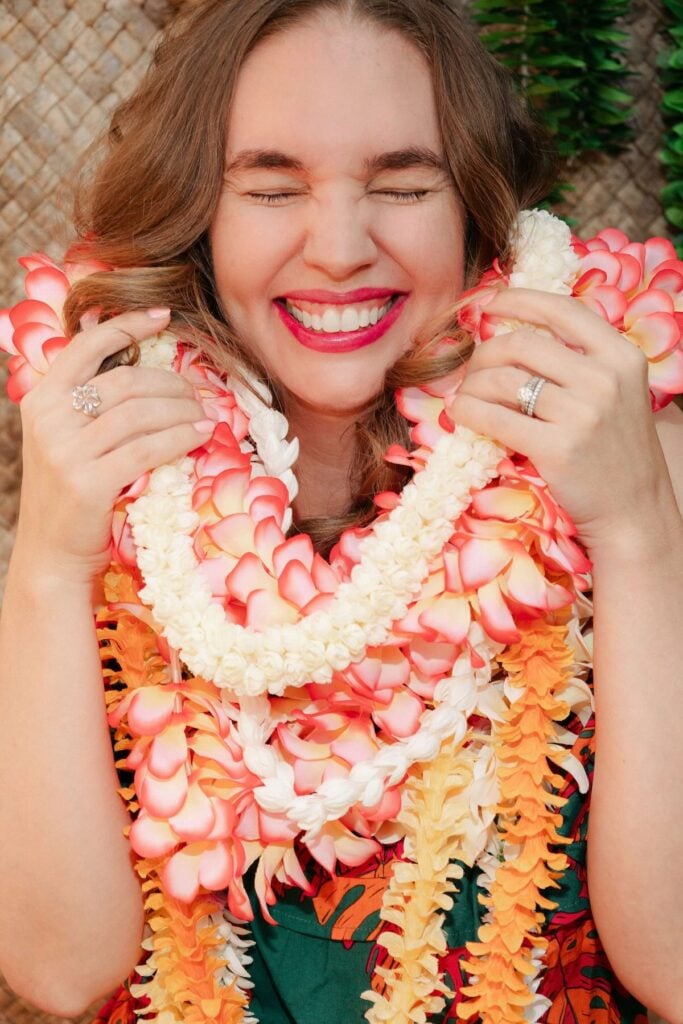 | About the author: Marcie Cheung is a Hawaii travel consultant for families who has visited Hawaii more than 40 times. She is the founder of Hawaii Travel with Kids and host of the Hawaii Travel Made Easy podcast. She offers one-on-one Hawaii trip planning consultations and itinerary reviews for families, couples, and honeymooners. |