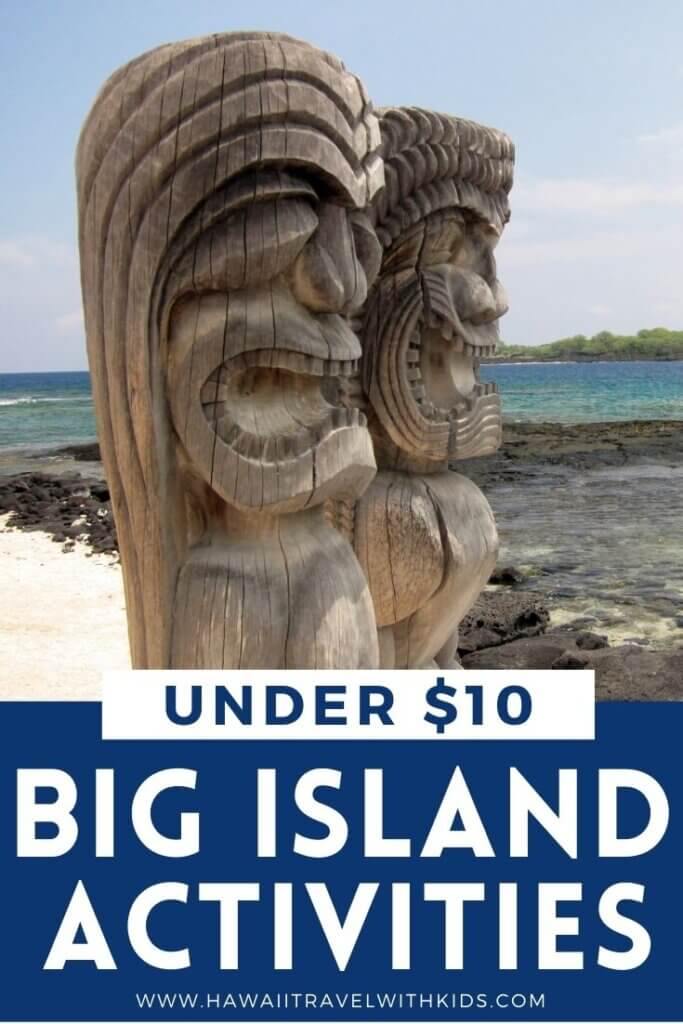
Planning a trip to the Big Island on a budget? Keep scrolling for these cheap and free 10 Incredibly Fun Things to Do on the Big Island for Free (or Costs Less)!
This list of things to do on the Big Island for Free (or Costs Less) was written by Hawaii travel expert Marcie Cheung. It contains affiliate links, which means if you purchase something from one of my affiliate links, I may earn a small commission that goes back into maintaining this blog.
Quick Summary: Hawaii Volcanoes National Park costs $30/vehicle for 7 days (worth it for most families), but honestly? The BEST Big Island experiences are completely free. Punalu’u Black Sand Beach with sea turtles, Mauna Kea stargazing, Rainbow Falls, coffee farm tours. I’ve visited Hawaii 40+ times and these 12 budget activities are better than most expensive tours.
The average family drops $8,500 on a week-long Hawaii vacation.
That’s according to 2024 Hawaii Tourism Authority data. Hawaii welcomed 9.7 million visitors in 2024, and tourism spending hit record levels.
Those numbers make me cringe every time I see them.
Not because Hawaii vacations can’t be expensive (they absolutely can), but because you genuinely don’t need to spend that much to have an amazing time on the Big Island.
I’ve been visiting Hawaii since I was 10. My grandmother lived part-time on Kauai, my mom lives there now, and I’ve made it to the islands over 40 times.
I’m a Certified Hawaii Destination Specialist and host the Hawaii Travel Made Easy podcast. Some people call me a professional tourist, which is probably fair.
And the Big Island? It’s the best Hawaiian island for families on a budget.
Why? Because the most spectacular stuff is free or really cheap.
You’re not paying $150/person for a luau to see volcanic landscapes. You’re not dropping $200/person on a helicopter tour to see waterfalls (though those are amazing if you can swing it).
You’re just showing up and experiencing Hawaii the way it’s meant to be experienced.
So yeah, here are 12 activities that won’t wreck your budget.
Some cost nothing, some cost a few bucks, and I’ll be honest about which ones are actually worth your time and which you can skip.
1. Hawaii Volcanoes National Park ($30/Vehicle = Under $10/Person for Most Families)
People always ask me: “Is it really worth paying for the national park?”
Yes. Even though I’m writing a budget guide, this is the one thing you should absolutely spend money on.
Hawaii Volcanoes National Park gets over 1.3 million visitors annually.
It’s one of the few places on Earth where you can safely see active volcanic activity, walk through a 600-foot lava tube, and stand on landscapes that look like another planet.
The entrance fee is $30 per vehicle for a 7-day pass. Family of four? That’s $7.50 per person. Family of six? $5 per person. You get the math.
But here’s what changed in 2026 that caught everyone off guard: The non-resident annual pass jumped to $250 starting January 1, 2026. That’s a massive increase from previous years.
If you’re planning to visit multiple times or island hop, get the Hawaii Tri-Park Annual Pass for $55 (covers Hawaii Volcanoes, Haleakalā on Maui, and Pu’uhonua o Hōnaunau in Kona).
Better yet, grab the America the Beautiful pass for $80 – it covers ALL US national parks for a year.
2026 pricing breakdown:
| Pass Type | 2026 Price | Details |
|---|---|---|
| Vehicle Pass | $30 | Valid 7 days |
| Motorcycle Pass | $25 | Valid 7 days |
| Walk-in/Bike Pass | $15/person | Valid 7 days |
| Hawaii Tri-Park Annual | $55 | HVNP + Haleakalā + Pu’uhonua o Hōnaunau |
| Non-Resident Annual | $250 | NEW 2026 price (big jump from before) |
| America the Beautiful | $80 | All US National Parks for 1 year |
The park is open 24/7. Entrance stations are only staffed during business hours (roughly 9am-5pm), and starting in 2026, they’re cashless. Credit or debit only.
Fun fact: If you arrive outside staffed hours, you can technically enter without paying right away, though you’re supposed to pay during your next visit when stations are open.
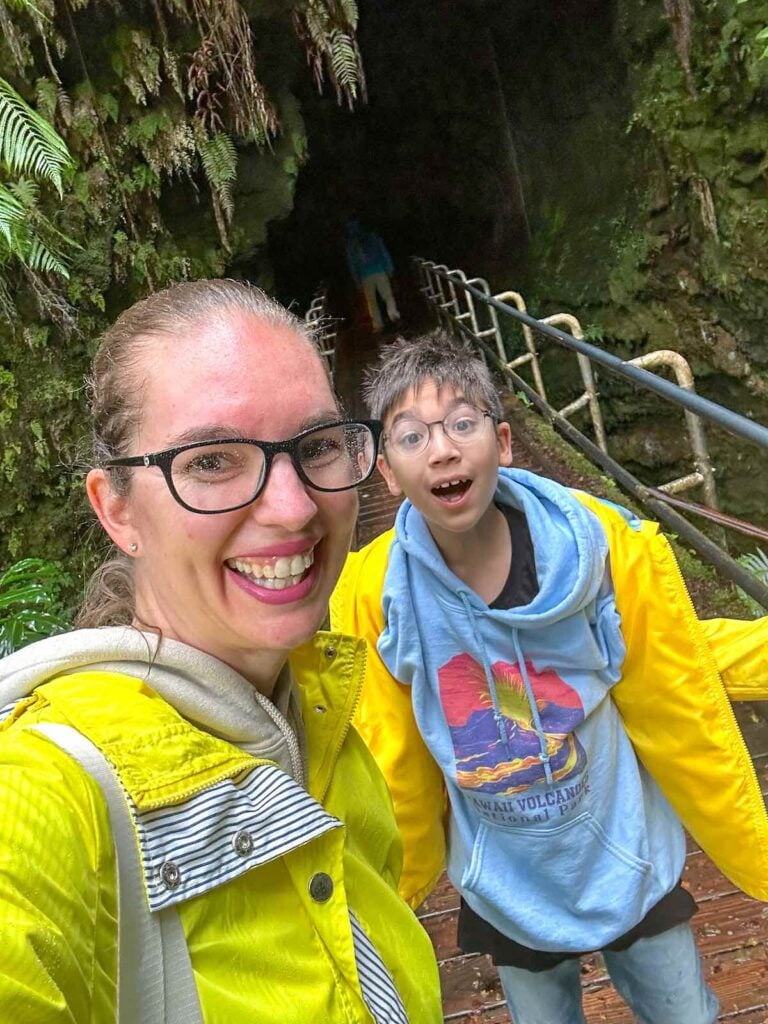
Nahuku Lava Tube (This is Why My Kids Think Hawaii is Magic)
Both my boys have been to Nahuku on separate trips, and it’s their favorite thing in the entire park.
And I get it. You’re walking through a 600-foot tunnel that was carved out by actual flowing lava 500+ years ago. The ceiling is 20+ feet tall in some spots. You’re literally inside a volcano.
But here’s what I learned the hard way the first time we went: Bring real flashlights or headlamps. NOT your cell phone light.
The tube is lit from 8am to 8pm, but even with the lights on, there are shadowy areas where you really want a good flashlight to see the rock formations and avoid tripping.
And if you go outside those hours (which is totally allowed), you absolutely need flashlights.
My youngest kept his headlamp on the entire time because it made him feel like a spelunker. My oldest was more interested in the geology of how lava tubes form.
Different kids, different interests, both had a blast.
The hike itself is an easy 0.4-mile loop through rainforest. Giant tree ferns everywhere. Super lush.
You’ll walk past some native birds if you’re paying attention (the bright red ‘apapane are hard to miss).
Parking can be terrible midday. Like, circling-the-lot-for-20-minutes terrible. Go before 9am or after 4pm if you can.
That’s when tour buses show up and suddenly there are 50 people trying to walk through a tube at once.
Want a guided tour of the park? You can book Hawaii Volcanoes tours on Viator, but honestly, the park is easy to explore on your own. Save the money unless you really want expert commentary.
2. Mauna Kea Summit & Stargazing (FREE, But Read This First)
Mauna Kea is the highest point in Hawaii at almost 14,000 feet.
And yeah, it’s completely free to visit.
But there’s a lot of fine print here, so let me be super honest about what this actually involves.
The Visitor Information Station (VIS) sits at 9,200 feet and it’s open 9am-9pm daily.
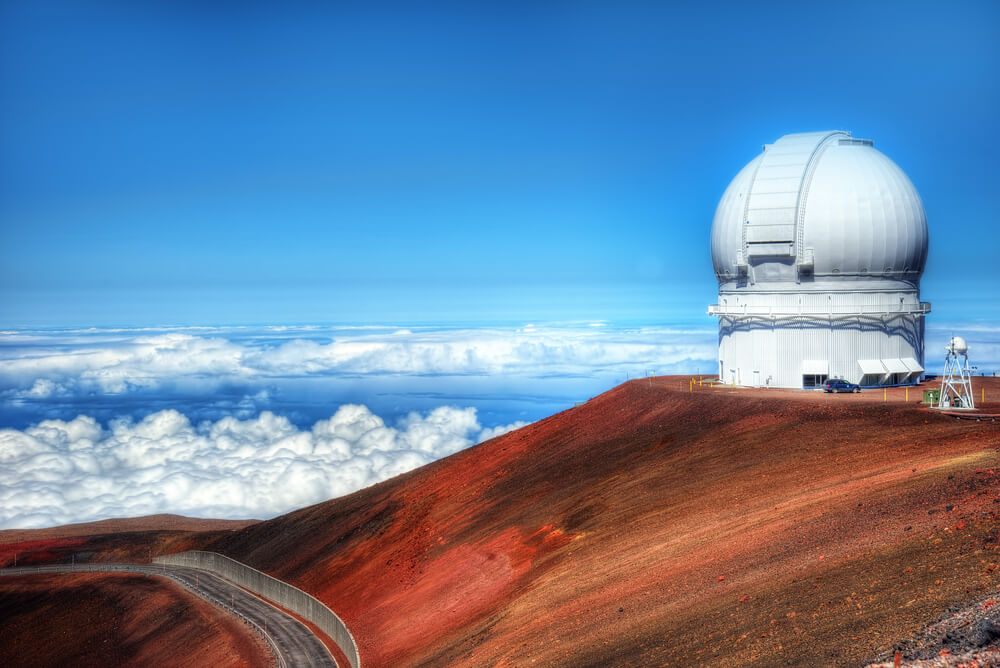
You can stop here without any special vehicle, check out exhibits, acclimate to the altitude, and attend free stargazing programs every night.
The stargazing at the VIS is actually BETTER than at the summit for most people. They have telescopes, rangers who explain what you’re looking at, and you’re not dealing with extreme altitude or cold.
Now, if you want to drive to the summit, you need a 4WD vehicle. Period. The road past the VIS is unpaved and steep.
Rental car companies explicitly prohibit taking 2WD vehicles up there, and they will charge you if you damage the car.
You also MUST stop at the VIS for at least 30 minutes to acclimate before going higher.
Altitude sickness is real, and about a third of visitors experience symptoms (headaches, nausea, dizziness).
Kids under 13 aren’t recommended for the summit (they’re fine at the VIS). Pregnant women shouldn’t go to the summit either.
The summit is closed to visitors from 30 minutes after sunset to 30 minutes before sunrise.
So if you’re imagining watching sunrise from the summit, that’s not happening unless you’re part of a permitted tour group.
Oh, and they inspect your vehicle for cleanliness at checkpoints because of invasive species concerns. So wash your car first.
Honestly? For most families, the VIS is plenty. The free stargazing programs are incredible, you don’t need a 4WD rental, and you’re not dealing with altitude issues.
But if you really want the summit experience, book a Mauna Kea summit tour through Get Your Guide. They handle everything and you get expert commentary about the geology and astronomy.
3. Punalu’u Black Sand Beach (FREE + Turtles, But Bring Water Shoes)
This is probably the most famous black sand beach in Hawaii, and it costs exactly zero dollars.
The sand is black because volcanic lava hit the ocean, cooled super fast, and shattered into tiny particles. Science is cool.
But the real draw is the Hawaiian green sea turtles (honu) that come up on the beach to sunbathe. And before you ask: yes, sea turtles actually sunbathe. It’s unique to Hawaiian turtles and pretty adorable.
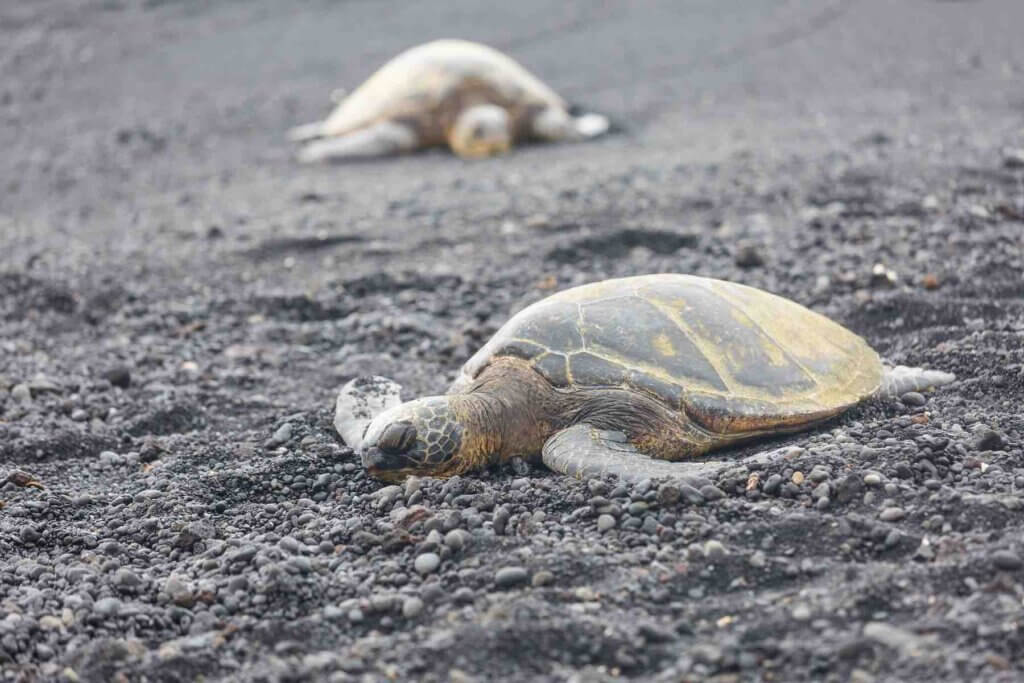
Best time to see turtles is between 11am-3pm when the black sand is warmest. Turtles are cold-blooded, so they come ashore to warm up.
Federal law says you have to stay 10-20 feet away. Don’t touch them, don’t feed them, don’t try to get your kid to pose with one for Instagram. These guys are endangered and protected, and rangers do issue citations.
The beach is on Highway 11 between mile markers 56 and 57. About 35 miles south of Hawaii Volcanoes National Park, so you can easily hit both in one day.
There are restrooms, outdoor showers, picnic tables, and free parking. Sometimes there’s a shave ice truck in the lot (highly recommend the lilikoi flavor if they have it).
Now for the practical stuff: That black sand gets HOT. Like, “why are my feet burning” hot. Wear water shoes or flip flops. My kids learned this the hard way.
The swimming here is not great. Strong currents, rough waves. It’s much better for walking the beach and turtle watching than actual swimming, especially with kids.
Looking for actual swimming beaches? I’d suggest checking out Big Island hotels near better swimming beaches on Expedia. The west side has way calmer water.
Update (Aug. 2026): Hawai’i County’s lease for Punalu’u Black Sand Beach Park ended Aug. 29, and county-run park services (restrooms, parking, campground) have stopped. The beach itself remains publicly accessible via the road at the north end. Facility details in this post may be outdated — check current conditions before you go.
4. Kona Coffee Farm Tours (FREE at Most Farms)
On our last Big Island trip, I dragged my oldest son to four different coffee farms in one day.
Four.
I’m not even a huge coffee person, but I’d read that Greenwell Farms does free tours and I wanted to see how coffee is actually made.
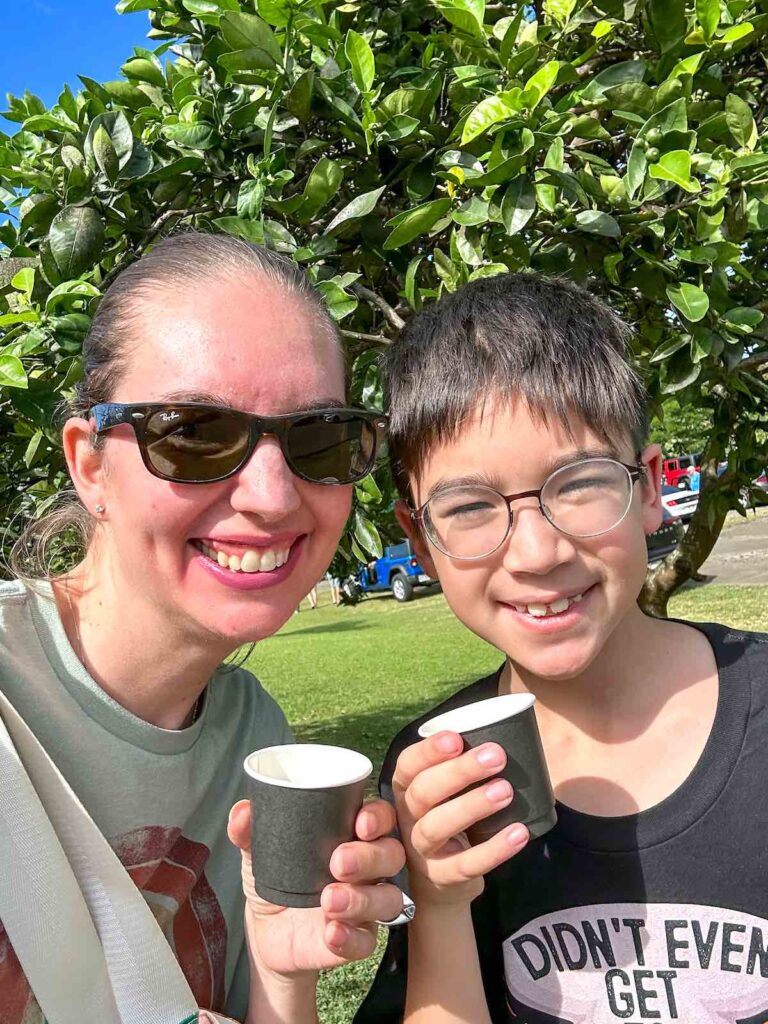
My son was less enthusiastic about this plan.
Until we got to the first farm and he saw coffee berries growing on trees.
“Wait, coffee comes from BERRIES?”
He genuinely had no idea. He thought coffee beans just… existed as beans somehow.
So we spent the entire day going from farm to farm, and he got increasingly fascinated with the whole process. Picking the berries, processing them, roasting, grinding.
By farm number four, he was asking employees detailed questions about roasting temperatures and fermentation times. The staff loved it.
Most Kona coffee farms offer free tours and tastings:
Greenwell Farms: Completely free. No reservation needed. Just show up. The tour takes about 30-45 minutes and they explain the whole coffee-making process.
Hula Daddy Coffee: Also offers tours. You might want to call ahead to confirm times and whether there’s a fee (some farms have started charging for the more detailed tours).
The Kona Coffee Belt has perfect volcanic soil and mountain climate for growing coffee. The beans are expensive (you’ll see why when you learn how labor-intensive the harvesting is), but honestly, after touring a farm, it feels worth it.
Go in the morning if you can. Coffee farms get pretty warm by afternoon, and the earlier tours are cooler.
My Big Island Travel Guide for Families has a whole section on which coffee farms are best for kids, plus daily itineraries that include coffee farm stops.
5. Hilo Farmers Market (FREE, Open Every Day)
This is where actual Hilo residents buy their produce, and it’s at the corner of Mamo Street and Kamehameha Avenue in downtown Hilo.
Open 7 days a week, 7am-3pm.
But here’s the thing: Wednesday and Saturday are the BIG days with 150-200+ vendors. Every other day, you’re looking at 20-30 vendors.
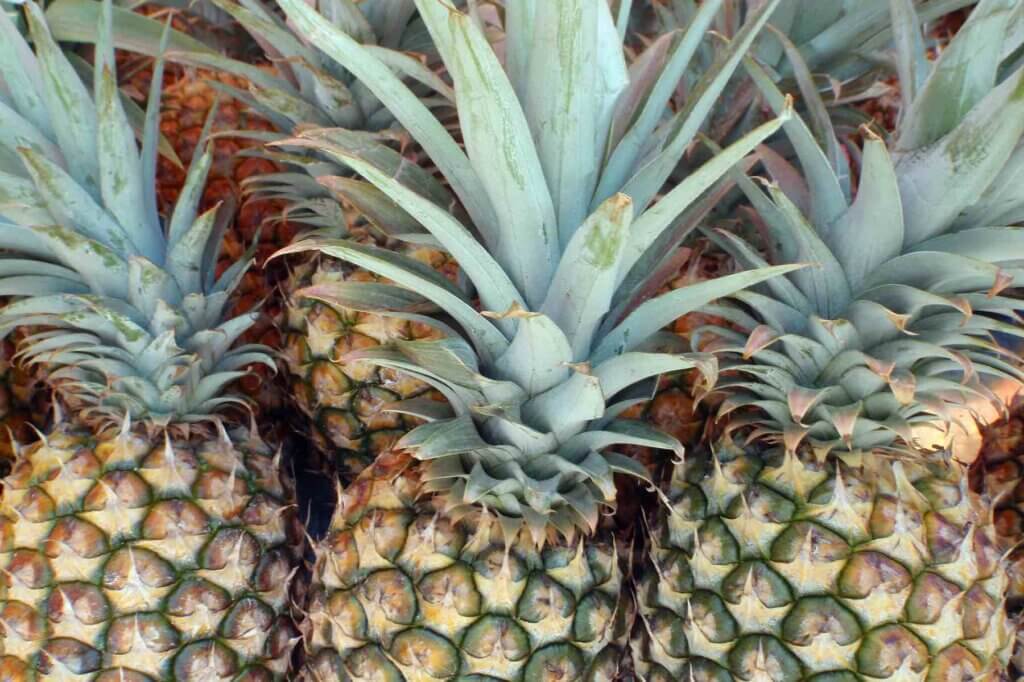
Still worth going on smaller days if that’s when you’re in Hilo, but if you can swing a Wednesday or Saturday, do it.
It’s free to browse, and honestly, this is where I stock up on fruit for the week instead of paying hotel prices.
A whole papaya costs maybe $3-5 and feeds your entire family for breakfast. Dragon fruit, rambutan, lilikoi (passion fruit), mountain apple… stuff you can’t easily get on the mainland.
There are also food trucks, honey vendors, macadamia nuts, crafts, jewelry. Sometimes local musicians playing.
Free street parking nearby (no meters on market days, which is unusual for Hilo).
Budget hack: Buy your snacks here instead of convenience stores. You’ll save a ton.
Want more detailed Big Island planning? My FREE 7-day Big Island planning email course covers this stuff in way more depth.
6. Rainbow Falls (FREE, But Go After Rain for Drama)
This 80-foot waterfall is literally in Hilo. You can drive to it in maybe 10 minutes from downtown.
And it’s completely free.

I took my oldest here on our last trip, and it had rained HARD the night before. Like, tropical downpour level rain.
The waterfall was absolutely overflowing. Massive amounts of water just thundering over the falls. It was incredible and also slightly terrifying because you could feel the power of all that water.
On dry days, Rainbow Falls is pretty but not super dramatic. After rain? It’s spectacular.
The falls are named for the rainbows that appear in the mist on sunny mornings. Best viewing time is around 10am when the sun angle is right, but honestly, I think the post-rain timing matters more than the rainbow timing.
There’s parking, a viewing platform, and it’s wheelchair accessible. The whole visit takes 15-20 minutes unless you want to hike around more.
Location: Waianuenue Avenue in Hilo. Just follow signs. It’s open 24/7.
7. Akaka Falls State Park ($5 Per Car)
Okay, so this one costs $5 for non-residents (or $1 per pedestrian). Hawaii residents get in free with ID.
Is it worth five bucks?
Yeah, honestly.
The waterfall is 442 feet tall. That’s taller than a 40-story building. It’s massive.
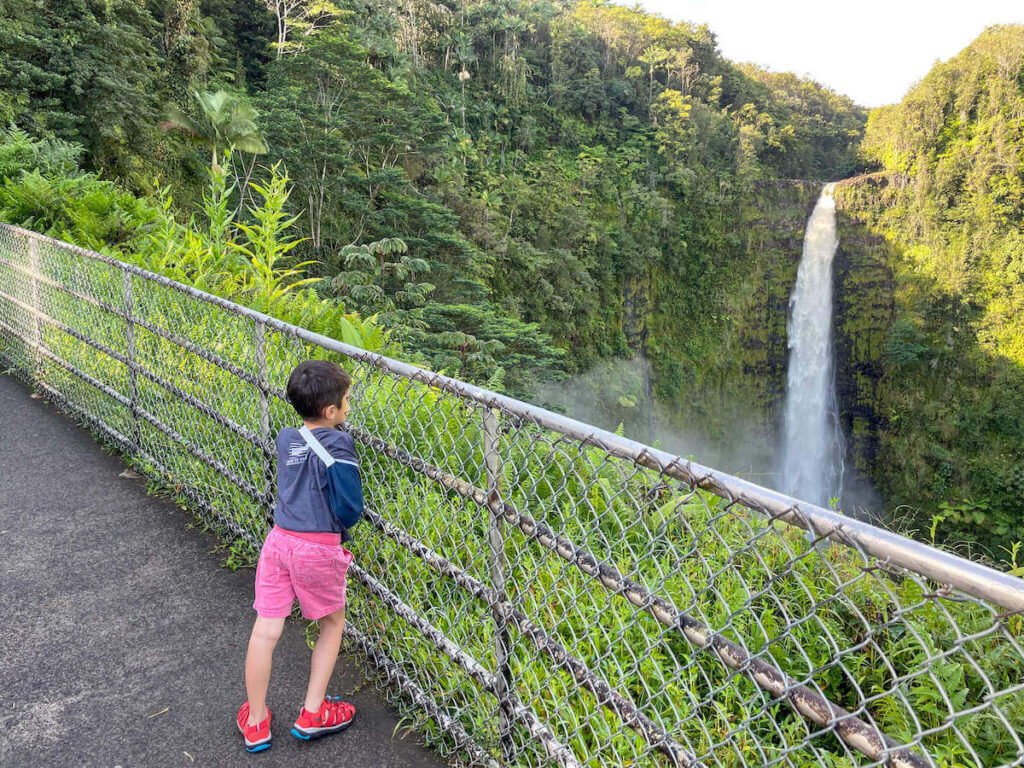
The paved loop trail is 0.4 miles through jungle that looks like something out of Jurassic Park. Bamboo groves, orchids, ferns, everything is super green and lush.
You also pass Kahuna Falls (400 feet) on the same loop, so you’re getting two waterfalls for your five dollars.
The trail has some stairs but it’s manageable for most fitness levels. Bring mosquito repellent though. The jungle is beautiful but buggy.
Want to see multiple waterfalls in one day without driving yourself? Book waterfall tours on Viator that include transportation.
8. Free Botanical Gardens (Because Sometimes You Need Quiet)
The Big Island has a couple of free botanical gardens that are perfect for when you need a break from beaches and lava fields.
UH Hilo Botanical Gardens: Free. Started by a professor in the 1980s. Native Hawaiian plants, educational signs, peaceful walking paths.
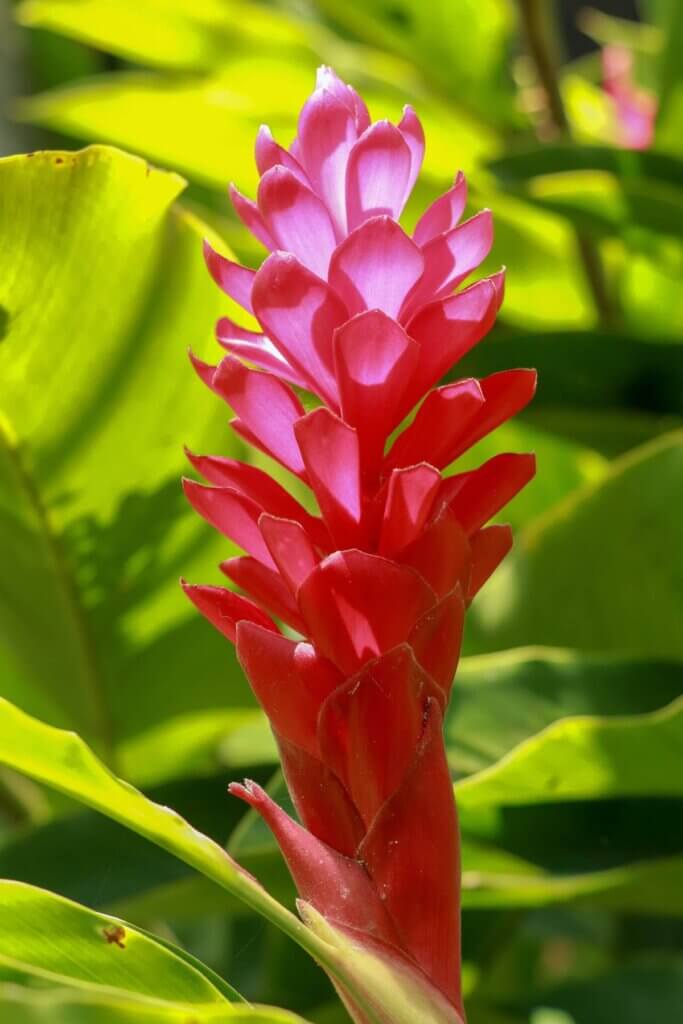
Sadie Seymour Botanical Gardens in Kona: Free (donations accepted). Smaller but pretty.
These aren’t like huge famous botanical gardens with entry fees and maps. They’re more low-key, local spots that showcase Hawaiian plants.
Good for a quiet hour if your kids need a break from constant beach excitement. Or if you’re just into plants.
My Hawaii Island Hopping Guide covers botanical gardens on all the islands if you’re doing multiple islands.
9. Holualoa Art Village (Free Unless You Fall in Love with a Ukulele)
This little mountain village above Kona is full of art galleries and cafes.
It’s free to wander around and browse. You’ll see paintings, photography, handmade jewelry, pottery, and yes, ukuleles.
The vibe is super chill and local. Way different from the tourist shops in Kona town.
I’m warning you now: browsing is free, but you might be tempted to buy something. Supporting local artists is a great use of souvenir budget, just don’t go expecting to leave empty-handed.
Holualoa is at about 1,400 feet elevation, so it’s cooler than coastal Kona. Nice afternoon activity when the coast is hot.
10. Punalu’u Bake Shop (Fresh Malasadas for Under $2)
This isn’t exactly free, but malasadas cost about $1-2 each.
And they’re so good.
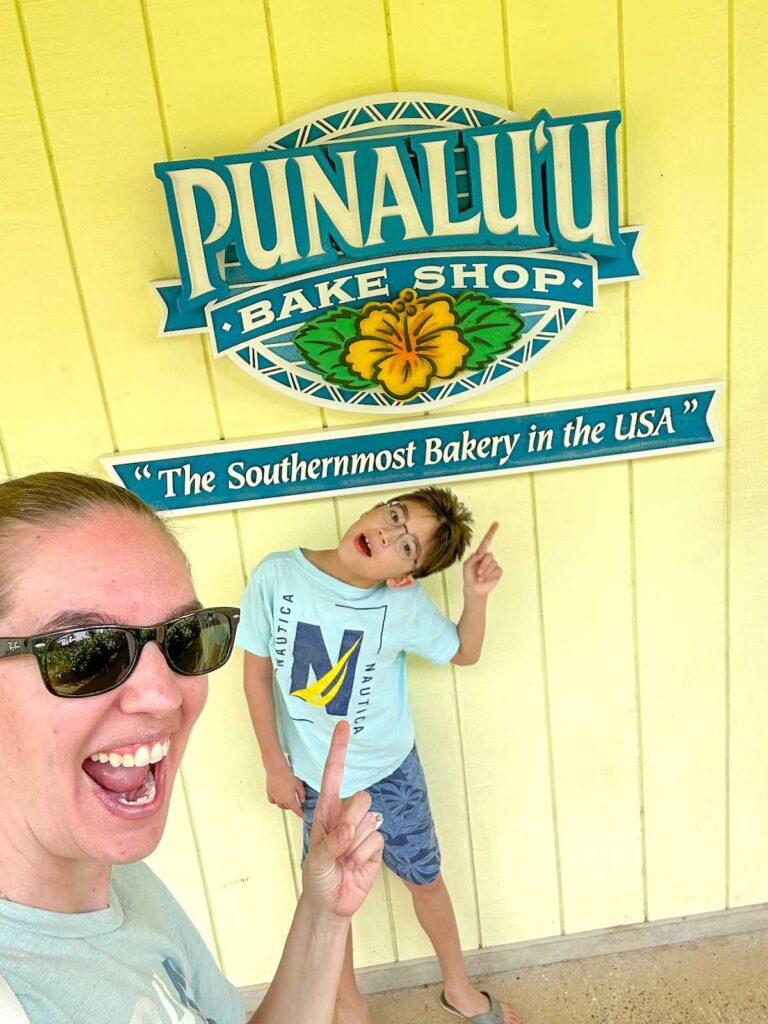
Punalu’u Bake Shop is famous for Portuguese-style sweet bread and malasadas (basically Portuguese donuts). They also have ice cream, coffee, and packaged goods for gifts.
It’s right near Punalu’u Black Sand Beach, so stop here on your way to or from turtle watching.
My kids get malasadas and shave ice every single time. It’s become our Big Island tradition.
11. Big Island Bees (Free Museum, Skip the Tour)
The small museum and honey shop at Big Island Bees are totally free. You get honey samples, learn about beekeeping, watch bees through observation windows.
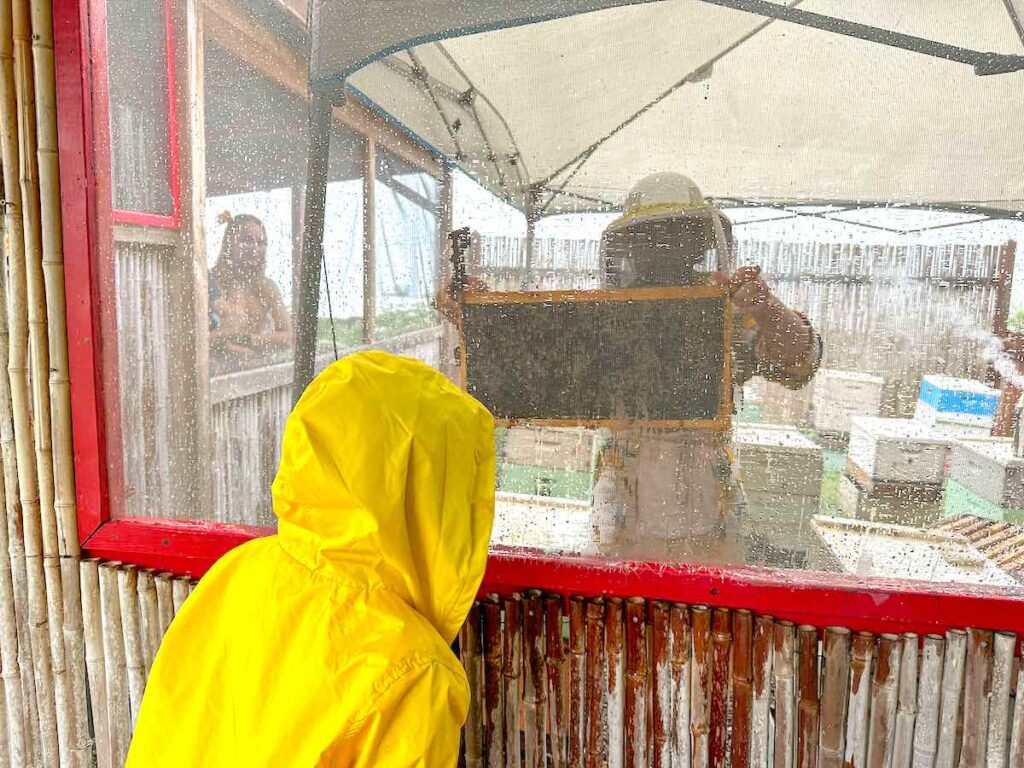
The guided beehive tour costs around $25/adult and $5/kid, which breaks our budget rule.
And honestly? The free museum is more interesting for most kids. They can sample different honey flavors, see bees up close through glass, and buy honey products in the shop.
Save the tour money for something else unless you’re really into beekeeping.
Good rainy day activity when beaches aren’t happening.
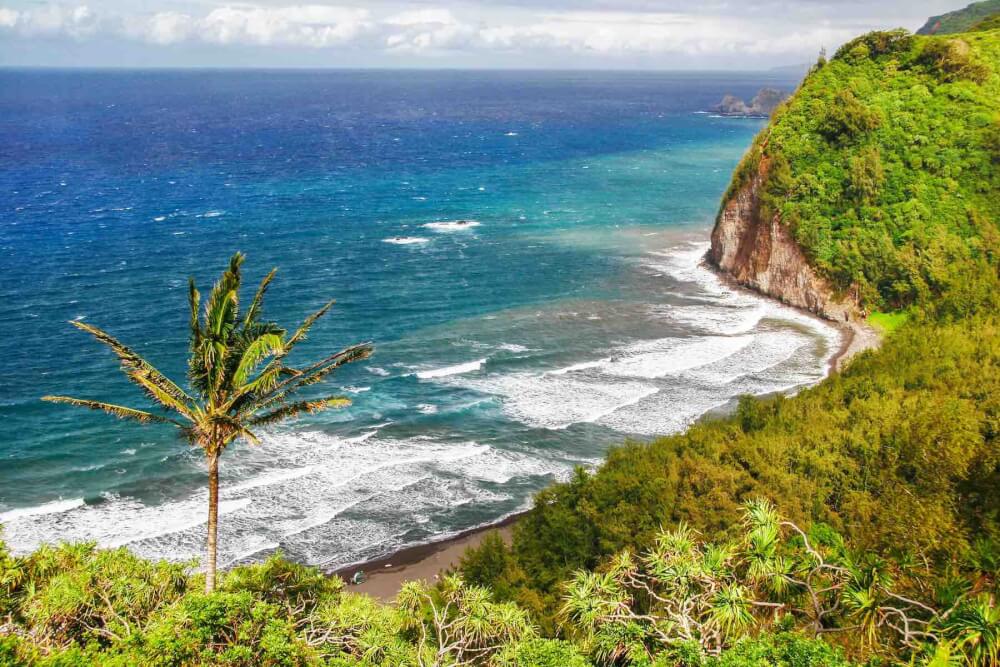
12. Pololu Valley Lookout (Free, But the Hike Isn’t for Everyone)
This viewpoint at the northern tip of the Big Island is stunning, and the vista is right from the parking lot.
No hiking required for the view.
But if you want to hike down to the black sand beach in Pololu Valley, that’s about 0.5 miles downhill. Which means 0.5 miles back UP on your return.
The trail can be steep and muddy. Wear actual hiking shoes, not flip flops.
Be realistic about your fitness level before committing to this hike. Going down is easy. Coming back up when you’re already tired from a beach day? That’s different.
But the valley is beautiful. Super lush and green, dramatic cliffs, black sand beach at the bottom.
Completely free.
How to Actually Save Money on a Big Island Vacation
Alright, you’ve got your free activities list. But here are the things that actually make the biggest difference in your total vacation cost.
Pack breakfast foods and snacks. Hotel breakfast can run $15-25 per person per day. That’s $60-100 for a family of four, every single morning. Buy fruit at the farmers market, keep granola bars in your daypack, make hotel room coffee instead of stopping at cafes.
Get a rental car with a cooler. Or bring one. Keep water and drinks cold instead of buying $5 bottles at every beach stop. We saved probably $200 on our last trip just by having cold water in the car.
Book your rental car through Discount Hawaii Car Rental. Better rates than booking directly with the major companies. I’ve used them for years.
Splurge on one professional photo session. Use Flytographer and save $20 with my link. Yeah, it’s expensive, but having quality family photos from Hawaii is worth it.
Your iPhone photos are fine, but there’s something about professional shots.
Visit during shoulder season. Mid-April to June or September to mid-December. Way cheaper flights and hotels.
September and October are usually the cheapest months, though technically it’s hurricane season (actual hurricanes hitting Hawaii are pretty rare).
Download my FREE 5-day email course on saving money in Hawaii. It goes way deeper into budget strategies than I can cover here.
And look, if you’re feeling completely overwhelmed by planning, I do personalized travel consultations where I build custom itineraries based on your budget. But honestly, with this guide, you can plan a great trip yourself.

Big Island Budget Questions People Actually Ask Me
How much does a Big Island vacation actually cost for a family?
Depends on how you travel, but the average family of four spends $6,000-8,500 for a week including flights, rental car, hotel, food, and activities.
If you focus on the free and cheap activities in this guide, you can cut activity costs by at least half, probably more. The big expenses are always flights and accommodation.
When’s the cheapest time to visit?
September and October usually have the lowest prices. Spring (mid-April to June) and fall (September to mid-December) are both shoulder seasons with better deals.
Avoid summer vacation, spring break, Christmas, and Thanksgiving if you want cheaper rates. September-October is technically hurricane season, but hurricanes actually hitting Hawaii are rare.
Do I need to book activities ahead of time?
For the free stuff in this guide? No. Just show up. If you want to book actual tours through Viator or Get Your Guide, 3-7 days ahead gives you better selection.
Some popular paid activities (like manta ray snorkeling) can book up weeks in advance during peak season.
Can you actually visit Hawaii Volcanoes National Park for free?
Not really. It’s $30 per vehicle for a 7-day pass. If you arrive outside staffed hours (roughly 9am-5pm), you can drive in without immediately paying, but you’re expected to pay during your next visit when stations are staffed.
The America the Beautiful pass ($80) covers all national parks for a year, which is a better deal if you visit parks regularly.
Big Island or Maui for budget travel?
Big Island, hands down. Way more free natural attractions, less touristy, cheaper accommodation options (especially in Hilo), lower restaurant prices outside the resorts. Maui is beautiful but everything costs more.
Which Hawaiian island has the most free activities?
Big Island wins. Kauai is second. Oahu has great free beaches but fewer free natural attractions. Maui has beautiful free beaches but most popular activities require fees or tour bookings.
Do I really need a 4WD vehicle?
For most activities in this guide, no. Regular car is fine. You only need 4WD if you’re driving to Mauna Kea summit or accessing really remote beaches.
Most budget travelers can skip the 4WD rental (they’re expensive) and either take a Mauna Kea tour or just visit the visitor center.
How many days do I need on the Big Island?
Minimum 4-5 days to hit highlights without rushing. A full week lets you see both Kona and Hilo sides plus spend real time at Hawaii Volcanoes National Park.
You can combine most of these free activities into efficient days (like HVNP + Punalu’u Beach + Punalu’u Bake Shop in one day).
Final Thoughts on Budget Big Island Travel
Look, I’ve been going to Hawaii since I was a kid. I’ve spent way too much money on some trips and managed to keep costs reasonable on others.
The Big Island is genuinely the best Hawaiian island for families who want amazing experiences without spending a fortune.
You don’t need expensive tours to see incredible things. Walking through a 600-foot lava tube. Watching endangered turtles sun themselves on black sand.
Standing at nearly 14,000 feet watching stars. Learning how coffee goes from berry to bean.
These experiences cost nothing or almost nothing, and they’re honestly better than a lot of the expensive activities.
Start with the free stuff. Add in a few cheap activities. Splurge on one or two bigger experiences if your budget allows (I always say one helicopter tour per Hawaii trip is worth it if you can swing it).
Pack snacks. Visit during shoulder season. Get travel consultation help if you need it.
Your Big Island trip doesn’t require maxing out credit cards.
I break down how much a Hawaii vacation really costs in detail here.
If you need more help planning:
- Grab my FREE 5-day email course on traveling to Hawaii like a pro
- Get my Big Island Travel Guide for Families with daily itineraries and way more detail than I can fit here
- Book a personalized travel consultation if you’re overwhelmed and want me to plan it for you
- Listen to the Hawaii Travel Made Easy podcast for more travel advice
- Find me on Instagram @hawaiitravelwithkids where I share daily tips
Now go book those flights.
 | About the author: Marcie Cheung is a Hawaii travel consultant for families who has visited Hawaii more than 40 times. She is the founder of Hawaii Travel with Kids and host of the Hawaii Travel Made Easy podcast. She offers one-on-one Hawaii trip planning consultations and itinerary reviews for families, couples, and honeymooners. |