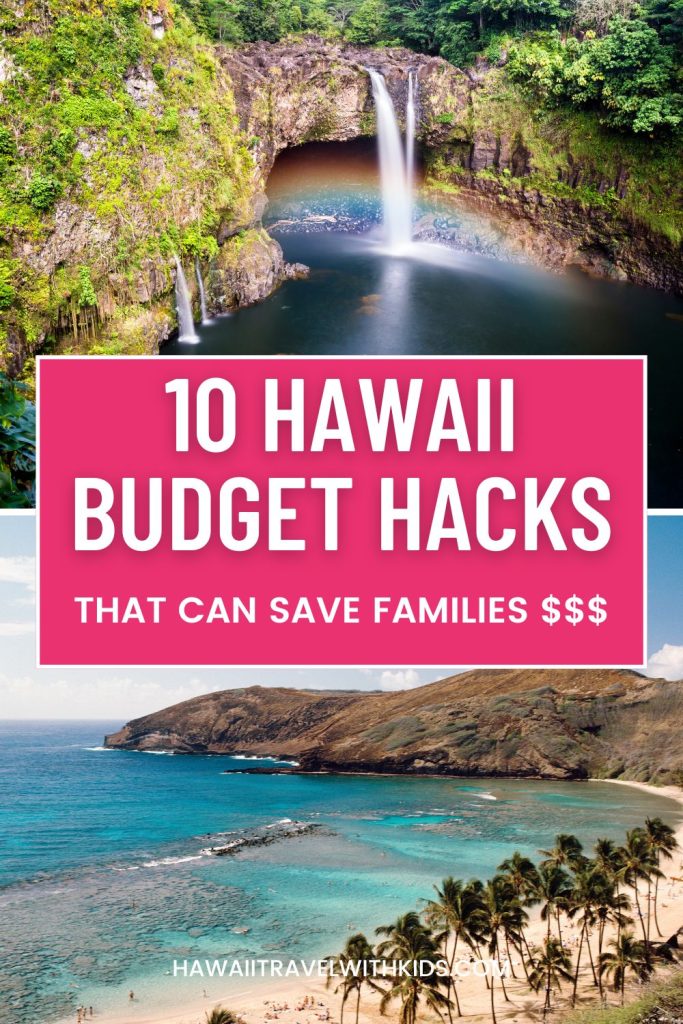

Save money on your Hawaiian vacation with these amazing Hawaii travel hacks that really work!
This list of Hawaii travel hacks was written by Hawaii travel expert Marcie Cheung and contains affiliate links which means if you purchase something from one of my affiliate links, I may earn a small commission that goes back into maintaining this blog.
TL;DR: Flying to Hawaii doesn’t have to drain your savings. Use companion fares ($99), book accommodations strategically, rent cars smart, eat where locals eat ($10 meals), and time your trip right. These strategies saved my family over $3,000 on our last trip.
The average family drops $8,500 on a week in Hawaii. We just did it for under $4,000.
Same beaches. Same sunsets. Same “Mom, can we move here?” from my 8-year-old. Just way smarter planning.
I’ve been going to Hawaii since I was 10 (my grandmother lived part-time on Kauai), and I’m a certified Hawaii Destination Specialist.
Over 40 trips later, I’ve made basically every mistake possible.
Blown money on things that didn’t matter. Skipped things I should’ve splurged on. Learned the hard way what’s worth it and what’s a tourist trap.
The biggest myth about Hawaii? That you need a massive budget to have an amazing trip. You don’t.
You just need to know where to save and where to spend.
Quick Reality Check: What’s Changed in 2026
Before we get into the hacks, you need to know: some things got pricier.
Hanauma Bay (my favorite snorkeling spot on Oahu) jumped from $7.50 to $25 per person. That stung.
Southwest started charging for checked bags in May 2025 – $35 for your first bag, $45 for the second. First time I saw that charge pop up, I texted my husband a string of not-kid-friendly words.
But most of the best budget strategies? Still golden.
Hawaii welcomed 9.2 million visitors in 2024, which means these hacks matter more than ever because everyone’s trying to figure out how to afford paradise.
I break down how much a Hawaii vacation really costs in detail here.
1. Alaska Airlines Companion Fare Is Still the Best Flight Deal to Hawaii
This is the one that’s saved us the most money, hands down.
You get an Alaska Airlines credit card (they rebranded it to “Atmos Rewards Ascent” which sounds like a tech startup, but whatever).
Spend $6,000 on it in a year – which sounds like a lot until you realize that’s $500 a month, and between groceries, gas, and those Target runs where you go in for paper towels and leave with $200 of stuff you didn’t know you needed… you’ll hit it.
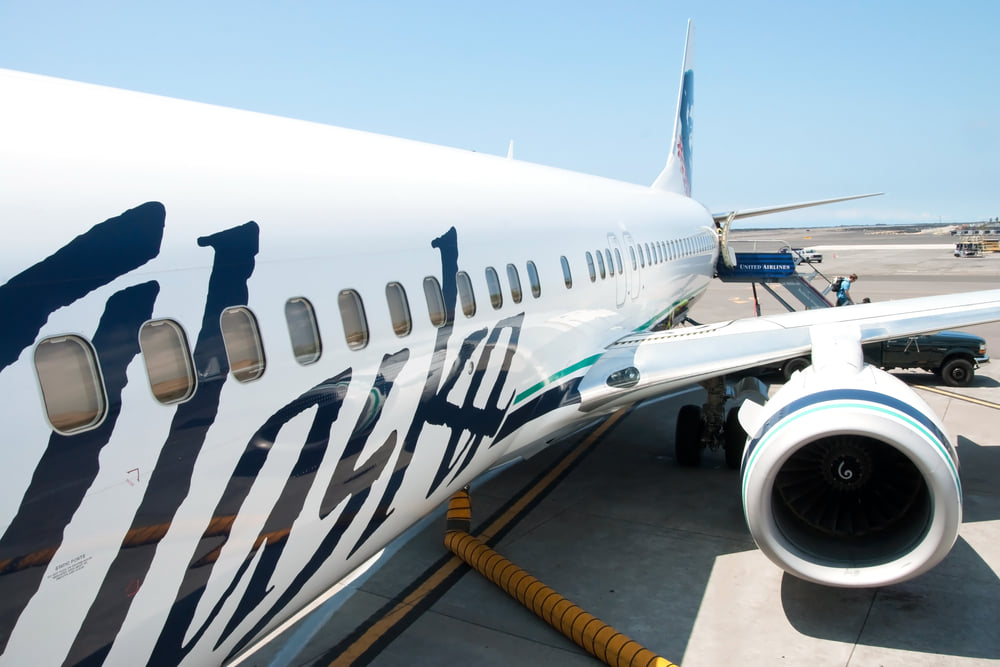
Once you do, you get ONE companion fare per year. Your companion flies for $99 plus taxes (usually around $22-23).
My husband and I each got a card, which means our family gets two companion fares per year. That’s huge.
Last time I used mine, round-trip from Seattle to Maui in July was $487. My husband’s ticket? $122 total. I saved $365 just on his seat.
The card has a $95 annual fee, so we netted $270 in savings on that ONE trip.
The companion fare works on Alaska AND Hawaiian Airlines now, which expanded the options significantly.
Book your expensive ticket first (like if you’re flying during spring break or Christmas), then add your companion at $99.
Pro tip: I always check flight prices on Tuesday afternoons because they tend to drop then – not always, but often enough that I compulsively check.
You also get a free checked bag for yourself plus up to six people on your reservation.
Since Southwest killed “bags fly free” last May, this benefit actually matters now.
2. Southwest Companion Pass Takes Serious Work, But It’s Two Years of Free Flights
Full transparency: I haven’t personally used the Southwest Companion Pass, but I have clients who swear by it and have saved thousands.
You need to earn 135,000 qualifying points in one calendar year. That’s a lot.
But: Southwest credit cards give you 50,000-80,000 bonus points just for signing up and meeting the spending requirement.
Plus cardholders get an automatic 10,000 point boost every January.
Once you hit 135,000 points, your companion flies with you for just taxes and fees (starting at $5.60 one-way) through the end of the NEXT calendar year.
Earn it in January 2026? Good through December 2027. Earn it in December 2026? You only get it for one year. Timing is everything.
The catch: Southwest now charges for checked bags ($35 first, $45 second) unless you have their credit card (one free bag) or you’re A-List Preferred/Business Select (two free bags).
I talk about companion pass strategies on my podcast Hawaii on a Budget – How to Save Without Sacrificing Fun if you want the full breakdown from people who’ve actually done it successfully.
3. Hotels vs. Condos: Know What You’re Getting Into
Here’s where I’m going to be real with you: I usually recommend hotels over condos.
Yes, condos can be significantly cheaper. A Waikiki hotel might be $300+ per night before resort fees. A condo? $150-200 with a full kitchen.
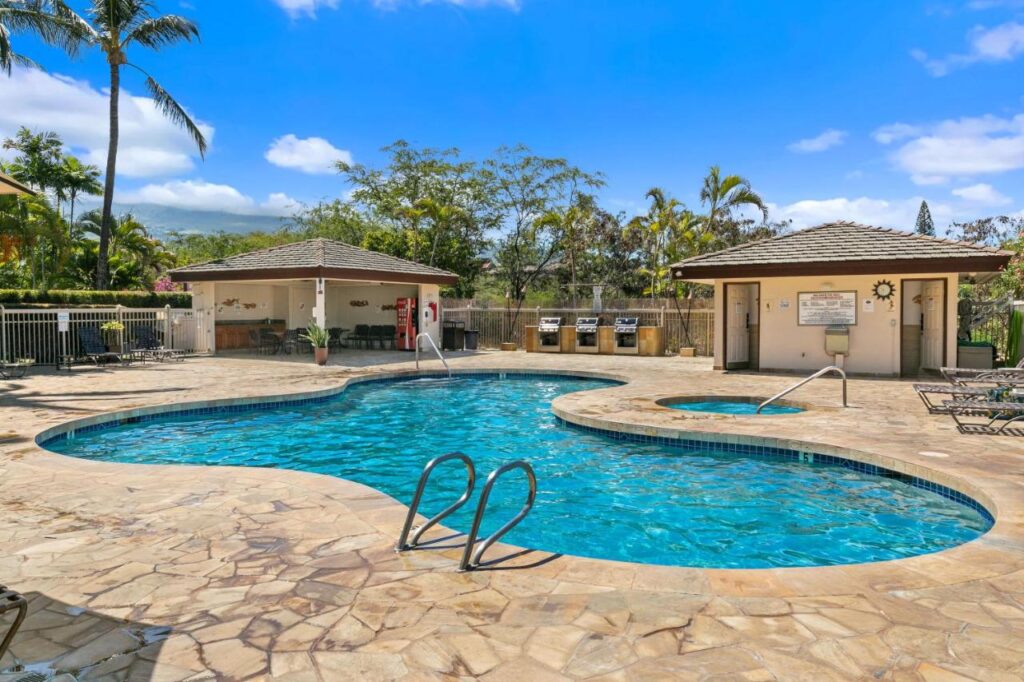
But Hawaii has been cracking down on vacation rentals with new regulations. Properties that were available last year might not be legal this year.
Plus, I’ve seen too many families book condos based on 5-year-old photos, show up to find dated furniture, broken appliances, and terrible Wi-Fi.
One client texted me from a “luxury condo” with a photo of a cockroach. Not the Hawaiian vacation vibe you’re going for.
That said, if you really research and find a good condo? The savings are real.
Having a kitchen means you’re not spending $80 on hotel breakfast for four people. You can make pancakes for $10. Pack beach snacks. Do laundry mid-trip so you don’t need to pack as much.
Just be thorough. Read recent reviews (like, from the last 3 months). Look at every photo carefully. Check if it’s legally licensed. Ask about Wi-Fi speed, A/C reliability, parking costs.
Don’t just book the cheapest option because it has a pretty sunset photo.
For condos, check Expedia or VRBO. For hotels, sometimes booking direct gets you perks like free breakfast or resort credit.
The kitchen can make or break the budget. Even just making breakfast and packing snacks saves hundreds over a week.
4. Rent a Car Smart (Don’t Skip It, But Don’t Overpay Either)
I’m going to say something controversial: I don’t recommend skipping the rental car.
Yes, TheBus exists on Oahu. Yes, it’s cheap ($3.25 per ride with a HOLO card). But taking the bus from Waikiki to the North Shore with kids and beach gear? That’s 90+ minutes each way. Not my idea of vacation.
I value the freedom of having a car. Spontaneous beach stops. Easy grocery runs. Not schlepping car seats on public transit.
But rental cars are expensive – $60-90 per day, and parking in Waikiki is $40-65 per night at hotels. That adds up fast.
How to save:
- Use Discount Hawaii Car Rental to compare rates across companies
- Book early (like, as soon as you book flights)
- Skip the insurance if your credit card covers it (check first)
- Get the smallest car that fits your family
- Look for condos or hotels with free parking
Sometimes we’ll rent a car for just part of our trip. First few days exploring, then return it and stay put in Waikiki for beach days. Saves money and hassle.
On the other islands (Maui, Kauai, Big Island), you absolutely need a car. Not optional.
5. Tourist Restaurants Are a Ripoff (Eat Where Locals Eat)
Waikiki restaurants charge $35-45 per entree. For what? The view of other tourists?
Plate lunch spots charge $10-14 for massive portions of actually good food.

Rainbow Drive-In in Waikiki is a block from the beach and their plate lunches are $10. My kids went there three times in one week because they wouldn’t stop talking about the loco moco.
Marugame Udon (also in Waikiki) makes fresh udon right in front of you for under $10. Watching them make the noodles is half the fun.
Ono Hawaiian Foods is where you go for real Hawaiian food. Big portions, totally worth it.
On Maui, Tin Roof in Kahului does chef-driven local food for $12-15. Da Kitchen gives you so much food you’ll have leftovers for lunch the next day.
Kauai’s Hamura Saimin is under $10 for incredible saimin in a place that looks like it hasn’t changed since 1952. Because it hasn’t. That’s the point.
Farmers markets are also key. KCC Farmers Market on Oahu every Saturday is our ritual now. Fresh fruit, poke, prepared foods, all at reasonable prices.
I did an entire podcast episode on where to eat: Foodies’ Guide to Hawaii: Where and What to Eat in the Islands. The food is a huge part of the experience and you shouldn’t blow your budget on mediocre tourist trap restaurants.
6. Shoulder Season is Everything (April-May, Sept-Early December)
Summer vacation? Christmas break? Hotels are $500+ per night and beaches are packed with screaming children who aren’t yours.
September? That same room is $250. Beaches are less crowded. Weather is exactly the same (seriously, Hawaii doesn’t have bad weather).
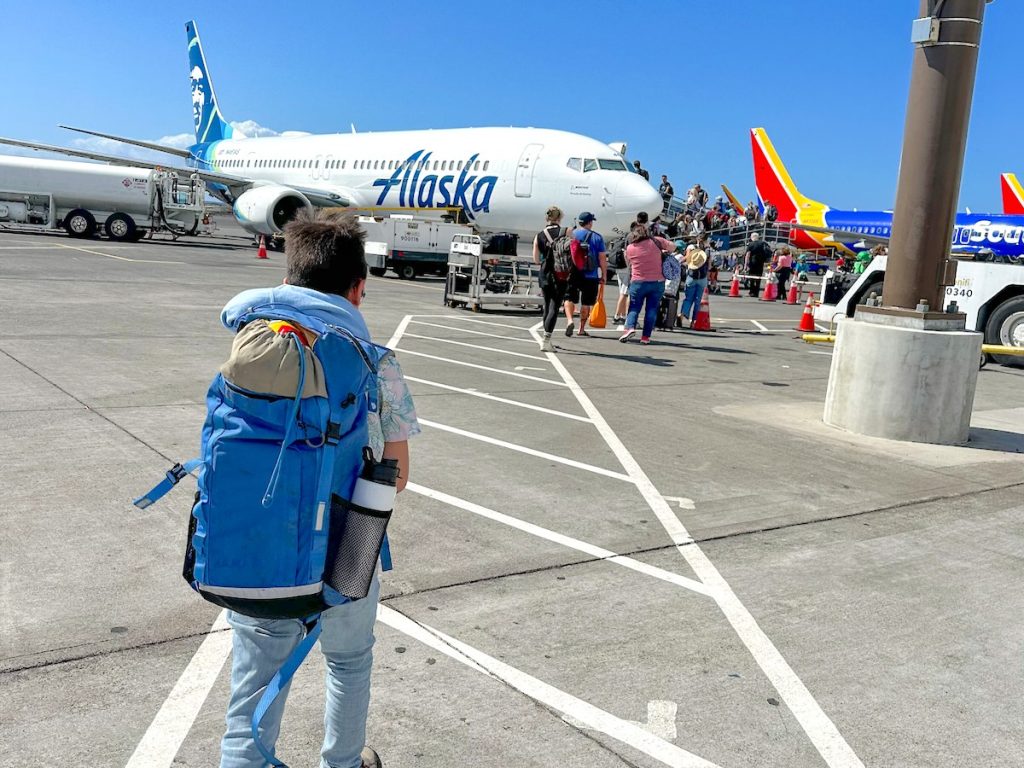
We went in September last year and saved about $1,800 compared to July pricing. Still 85 and sunny. Still perfect.
Shoulder season also means:
- Flights are 30-40% cheaper
- Hotels actually negotiate
- You can get restaurant reservations without planning a month ahead
- Hanauma Bay doesn’t sell out in 3 minutes
Only downside? You’re pulling kids out of school, which some families can’t do. If you can swing it, at least aim for spring break in April rather than peak summer.
My free 5-Day Email Course: How to Save Money in Hawaii goes deeper on timing and seasonal deals.
7. Don’t Pay Full Price for Luaus (But Manage Your Expectations)
Standard luau price is $150-225 per person before taxes. For a family of four, that’s $600-900.
I’ve been to maybe 10 luaus. Some were incredible cultural experiences. Some were basically a buffet with a 40-minute show.
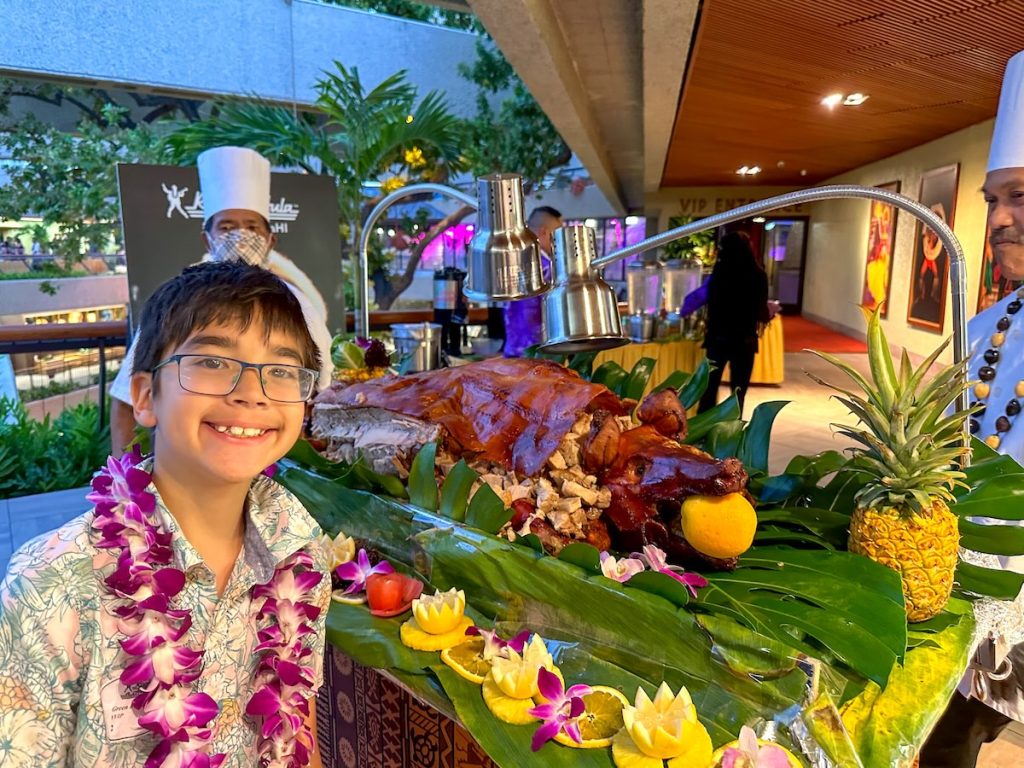
One time we paid $300 for tickets to a luau where the food was cold and they rushed everyone through like cattle. I’m still bitter.
You might find slightly better prices booking through Viator or Get Your Guide compared to booking direct with resorts, but don’t expect massive discounts.
Sometimes your hotel concierge has deals too (ask – worst they say is no).
There are also a few luaus that offer show-only options (like Rock-A-Hula in Waikiki and Smith’s on Kauai).
Are luaus worth it? For a first trip, yes. Pick one good one. Don’t do one on every island. Once you’ve seen the fire dancer and tried poi, you’re good. Spend that money on other experiences.
8. Buy Your Own Snorkel Gear (Stop Renting)
Snorkel rentals are $20-30 per person per day at beach kiosks. For a family of four over a week, that’s $280-420.
Buy your own set at ABC Stores for $30-40 or order on Amazon before you go and have them shipped to your accommodation.
We bought ours six trips ago. They’ve saved us probably $1,500 total. Plus you know they fit properly, and you’re not putting a mouthpiece in your mouth that some stranger had yesterday. (Sorry, but someone had to say it.)
My kids’ snorkel sets are bright colors so we can spot them in the water easily. Worth the investment.
9. The Best Snorkeling in Hawaii is Affordable (You Don’t Need Expensive Tours)
You don’t need to pay $150 for a snorkel tour when you can snorkel at incredible spots on your own.

Best snorkeling (with costs):
Hanauma Bay (Oahu) – $25 per person now (up from $7.50). Still worth it. The snorkeling is unreal. Hundreds of fish, crystal clear water, protected bay. Get there right when it opens at 6:45am.
Book reservations two days in advance at 7am HST or it sells out in minutes. Kids 12 and under are free, Hawaii residents are free, active military is free.
Parking is $3 cash. They make you watch a 9-minute video every time about not stepping on the reef.
Kapalua Bay (Maui) – Free. Calm, tons of fish. This is where I taught both my boys to snorkel. Easy entry, protected bay, you’ll see sea turtles if you’re patient.
Tunnels Beach (Kauai) – Free. Incredible reef, but the current can be strong. Not for beginners.
Kahalu’u Beach Park (Big Island) – Free. Sea turtles everywhere, easy access. We saw six turtles in 45 minutes last time.
Other affordable activities:
- Hiking Diamond Head ($5 entry per person + $10 parking, reservation required – but incredible views)
- Koko Crater hike (free, brutal but worth it)
- Watching sunset at Waikiki Beach (free, never gets old)
- Exploring tide pools (free, kids love it)
- Beach days (free!)
Hawaii is naturally stunning. You don’t need to pay a lot to see the best parts.
10. Credit Card Points Work If You Plan Ahead
This one’s more advanced, but it works if you have a year to plan.
Get a travel rewards card. Put all your normal spending on it (groceries, gas, bills, everything you’d buy anyway). Then use those points for flights or hotels.
We use Chase Sapphire Preferred and transfer points to airline partners. We’ve covered entire flights multiple times just by putting our regular spending on the card instead of using our debit card.
The mistake people make is waiting until two months before the trip to start thinking about points. You need time to accumulate. Start a year out if you can.
I break down the full strategy in my podcast Budgeting for a Hawaii Vacation: What to Expect.
What About Island Hopping?
Thinking about visiting multiple islands? I have a whole podcast episode on this: Island-Hopping in Hawaii: Is It Right for Your Trip?
Quick version: Interisland flights are $80-150 per person each way. For a family of four, that’s $640-1,200 just in flights between islands.
Add the hassle of packing, getting to the airport, going through security again, waiting for your rental car…
Sometimes it’s worth it. Sometimes you’re better off spending that money on activities and really exploring one island well. Depends on your family and your budget.

Need Help Planning Your Trip?
I’m a certified Hawaii Destination Specialist and I’ve helped hundreds of families plan their trips on realistic budgets.
If you’re feeling overwhelmed (totally normal), I offer personalized Hawaii travel consultations.
We’ll map out your entire trip based on your family, your budget, and what you actually want to do.
I also have super detailed island-specific guides:
- Maui Travel Guide for Families
- Oahu Travel Guide for Families
- Kauai Travel Guide for Families
- Big Island Travel Guide for Families
- Hawaii Island Hopping Guide
What It Actually Costs: Budget vs. Splurge
Here’s what a week in Hawaii costs for a family of four:
| Category | Splurge Approach | Budget Approach | Savings |
|---|---|---|---|
| Flights | $3,200 (regular fares) | $800 (companion fares) | $2,400 |
| Accommodation | $3,500 (resort hotel) | $1,400 (hotel with free breakfast or researched condo) | $2,100 |
| Car rental + parking | $1,085 ($85/day + parking) | $595 (budget rental + research parking) | $490 |
| Food | $2,800 (all restaurants) | $900 (mix of local spots + some groceries) | $1,900 |
| Activities | $1,500 (paid tours/luaus) | $500 (smart mix of free + paid) | $1,000 |
| TOTAL | $12,085 | $4,195 | $7,890 |
Same vacation. Just smarter choices.
Quick Stats You Should Know
- Hawaii welcomed 9.2 million visitors in 2024 (Hawaii Tourism Authority)
- Average family spends $8,500 on a week in Hawaii (Budget Travel)
- Waikiki hotel parking averages $44.49/night (DriveHui parking study)
- Diamond Head entry: $5 per person + $10 parking (Hawaii DLNR)

Your Hawaii Budget Questions, Answered
Which Hawaiian island is cheapest for families?
Oahu tends to be the most budget-friendly because there are more accommodation options, tons of free beaches and activities, and you’ll find the most affordable food. That said, any island can work on a budget if you’re strategic about where you stay and how you eat.
How much should I budget per day for food in Hawaii?
$150-200 per day for a family of four if you’re mixing local restaurants with some meals at your accommodation. If you’re eating three restaurant meals per day, expect $300-400 daily. Groceries in Hawaii cost about 50% more than the mainland, but it’s still way cheaper than eating out every meal.
Should I book Hawaii activities in advance?
Yes. Book in advance through sites like Viator or Get Your Guide, or directly with the companies. Popular activities sell out during peak season, and you’ll have better prices booking ahead. Plus you can research reviews instead of just trusting whoever’s passing out flyers in Waikiki.
Do kids get into attractions free?
It varies wildly. Hanauma Bay is free for kids 12 and under. Diamond Head charges for kids 4+. Many attractions offer free entry for kids under 3-4. Always check specific attraction policies – don’t assume.
Should I bring cash to Hawaii?
Bring some cash for farmers markets, food trucks, and parking meters. Hanauma Bay parking is cash-only at $3. Otherwise credit cards work everywhere. We usually bring $150-200 cash and it’s plenty for a week.
Can you camp in Hawaii to save money?
Yes! State and county parks offer camping for $20-30 per night per campsite. Some locations require permits months in advance. It’s budget-friendly if you’re into camping, but not for everyone. We tried it once and the kids hated it. Your mileage may vary.
Is Hawaii cheaper if you have friends or family there?
It can be, especially if they let you stay with them (free accommodation is huge). But be respectful. Don’t expect them to be your tour guide 24/7 or drop everything to entertain you. Bring a host gift. Offer to buy groceries or take them to dinner. Don’t be that family member who treats them like a free hotel concierge.
What about grocery stores? Are they really that expensive?
Yes. Milk is $8. Cereal is $7. A bag of chips is $6. Everything costs more because it has to be shipped in. But it’s still cheaper than eating out every meal. We stock up on breakfast stuff, sandwich supplies, and snacks right when we land at Safeway or Foodland.

Bottom Line: The Best Hawaii Vacation Isn’t About How Much You Spend
After 40+ trips and years of helping families plan their Hawaii vacations, the best trips aren’t the ones where people spent the most money.
They’re the ones where families planned smart, didn’t overstress about costs, and actually relaxed.
The families who have the most fun? They’re not the ones dropping $15,000 and constantly worried about the bill.
They’re the ones who found the deals, made smart choices, and could actually enjoy being there.
Use these hacks. Book smart accommodations. Get the companion fare. Eat local. Mix free activities with a few paid experiences that really matter.
Hawaii is expensive, but it doesn’t have to break you.
Want more help? I have free email courses for each island:
- How to Plan a Trip to Oahu
- How to Plan a Trip to Maui
- How to Plan a Trip to Kauai
- How to Plan a Trip to Big Island
- How to Plan a Trip to Disney Aulani
Aloha and happy travels!
 | About the author: Marcie Cheung is a Hawaii travel consultant for families who has visited Hawaii more than 40 times. She is the founder of Hawaii Travel with Kids and host of the Hawaii Travel Made Easy podcast. She offers one-on-one Hawaii trip planning consultations and itinerary reviews for families, couples, and honeymooners. |