Did you know that Hawaii has the only royal palace in the United States? Scroll to learn about some of the best historical places in Hawaii that you should add to your Hawaii itinerary!
This post about historical places in Hawaii was written by Hawaii travel expert Marcie Cheung and contains affiliate links which means if you purchase something from one of my affiliate links, I may earn a small commission that goes back into maintaining this blog.
I get it. “Historical site” and “excited kids” don’t usually show up in the same sentence.
I’ve dragged my own two boys to enough museums and lookout points to know the eye-roll face by heart.
But after 40+ trips to Hawaii as a Certified Hawaii Destination Expert, I’ve found that the historical spots that work for families aren’t the ones with the most plaques.
They’re the ones with a story attached, something to touch, climb, or see up close, and a reason for a kid to care.
This list is the result of visiting these places myself, updating prices and hours as they change, and cutting anything that isn’t worth your vacation time.
A few sites that used to be on my radar didn’t make the cut this year (more on that below), and one changed its rules in a way every parent needs to know before booking.
If you’d rather have someone build your whole itinerary around stops like these, that’s what I do for a living.
You can grab a one-on-one Hawaii travel consultation with me and I’ll map it out for your family’s ages and interests.
Quick Answer (TL;DR)
Hawaii isn’t just beaches. It’s home to the only royal palace on U.S. soil, the site of the Pearl Harbor attack, ancient temples (heiau) that predate European contact, and a national park where you’re standing on some of the youngest land on Earth.
Below are 13 sites, organized by island, with current 2026 prices and hours, plus which ones I’d skip with younger kids.
Hawaii welcomed 9,642,991 visitors in 2025, and a huge chunk of them never get past the resort pool.
Adding even one or two of these stops is what turns a beach week into a trip your kids actually remember.
At a Glance: Which Historical Sites Fit Your Family
| Site | Island | 2026 Cost | Best Ages | Time Needed |
|---|---|---|---|---|
| Pearl Harbor / USS Arizona Memorial | Oahu | Free (memorial); paid add-ons | 8+ | 2–4 hours |
| Iolani Palace | Oahu | ~$27 adult / audio tour | 6+ | 1–1.5 hours |
| Bishop Museum | Oahu | $25.95–38.95 | All ages | 2–3 hours |
| Nu’uanu Pali Lookout | Oahu | Parking fee only | All ages | 20–30 min |
| Queen Emma Summer Palace | Oahu | $14–16 | 6+ | 45 min |
| Polynesian Cultural Center | Oahu | From $94.95 adult | All ages | Half to full day |
| Hawaii Volcanoes National Park | Big Island | $30/vehicle (7 days) | All ages | Half day+ |
| Pu’ukohola Heiau | Big Island | Free | All ages | 30–45 min |
| Kealakekua Bay / Captain Cook Monument | Big Island | Varies by tour | 8+ (water access) | 2–4 hours |
| Kaloko-Honokohau National Historical Park | Big Island | Free | All ages | 1–2 hours |
| Kona Coffee Living History Farm | Big Island | $10–20 | All ages | 1 hour |
| Wailua Heiaus | Kauai | Free | All ages | 1–2 hours |
| Pi’ilanihale Heiau / Kahanu Garden | Maui | Free–$30 | 6+ | 1 hour |
Here’s the rundown, plus two sites at the bottom that I’m steering most families away from right now, and why.
What’s the Only Royal Palace in the United States?
That’s Iolani Palace in downtown Honolulu, and it’s the non-beach stop on Oahu I recommend most confidently.
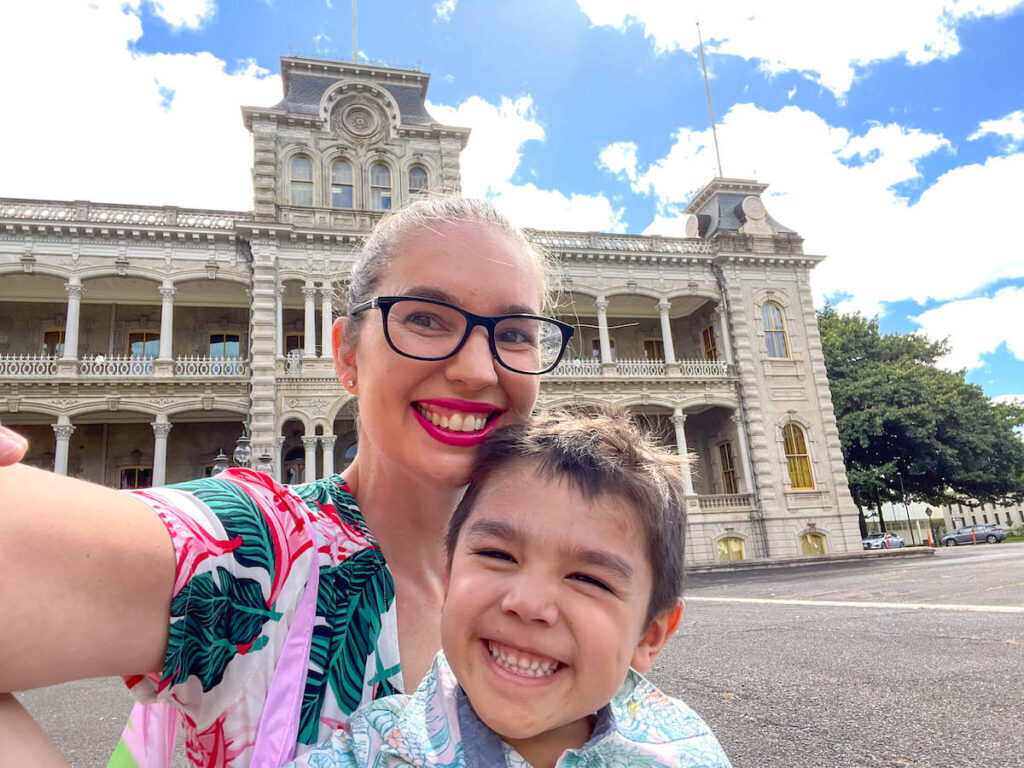
King Kalakaua built it in 1882, and it was the official residence of the Hawaiian monarchy until the government was overthrown in 1893. Queen Liliuokalani was held under house arrest here after that.
It’s the only royal palace on American soil, which is a wild fact most visitors never learn.
The palace is open Tuesday through Saturday, 9 a.m. to 4 p.m. (closed Sunday and Monday).
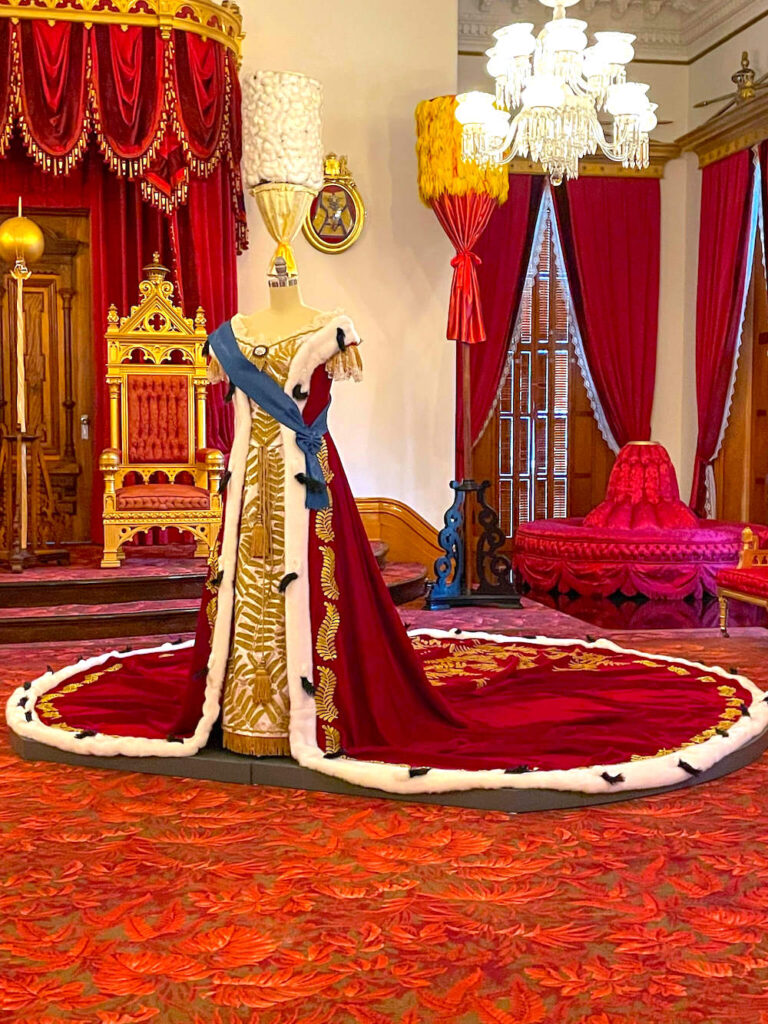
Self-led audio tours run most days, and there are docent-led options on Wednesdays and Thursdays if your family likes a guide who can answer questions in real time.
Kids under 5 get in free but need to be in a carrier or one of the palace’s own strollers since personal strollers aren’t allowed inside.
This one works best for kids 6 and up who can handle a slower-paced, look-but-don’t-touch tour.
If your child is into royalty, princesses, or just loves a good scandal, the story of a queen placed under house arrest in her own home tends to stick.
Before you go, it’s worth reading a few passages from Queen Liliuokalani’s own memoir, “Hawaii’s Story by Hawaii’s Queen,” even if it’s just to you. Hearing her side of what happened here changes the whole visit.
Where Do You Actually Learn Hawaiian History in One Stop?
The Bishop Museum in Honolulu is my answer when people ask where to take kids who want the full picture, not just one era.
It was founded in 1889 by Charles Reed Bishop in honor of his wife, Princess Bernice Pauahi Bishop, the last direct descendant of the Kamehameha line.
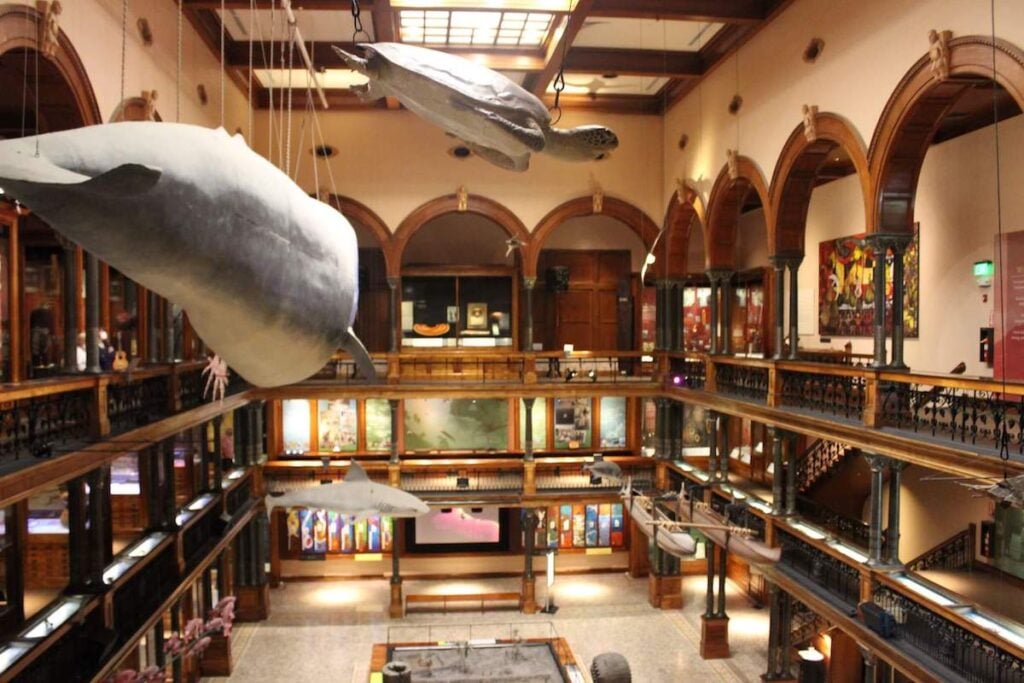
Today it holds more than 24 million artifacts and specimens, including feather capes, royal heirlooms, and a planetarium that wins back kids who couldn’t care less about history five minutes earlier.
It’s open daily, 9 a.m. to 5 p.m., with last admission at 4 p.m. General admission runs $25.95 to $38.95 for youth and adults depending on the day (yes, pricing is dynamic, so a Tuesday can cost less than a Saturday).
Kama’aina rates are significantly lower if you’re local or have friends who are.
Booking online in advance can also save you a little with a promo code, so check their site before you go.
If you only have time for one museum, put this one at the top. It’s the closest thing to a crash course in Hawaiian history, and the dinosaur and space exhibits keep younger siblings from mutinying halfway through.
Is Pearl Harbor Appropriate for Kids?
I get asked this a lot, and the honest answer is: it depends on your kid, but here’s how I think about it.
Pearl Harbor is where Japan launched its surprise attack on December 7, 1941, killing 2,403 people.
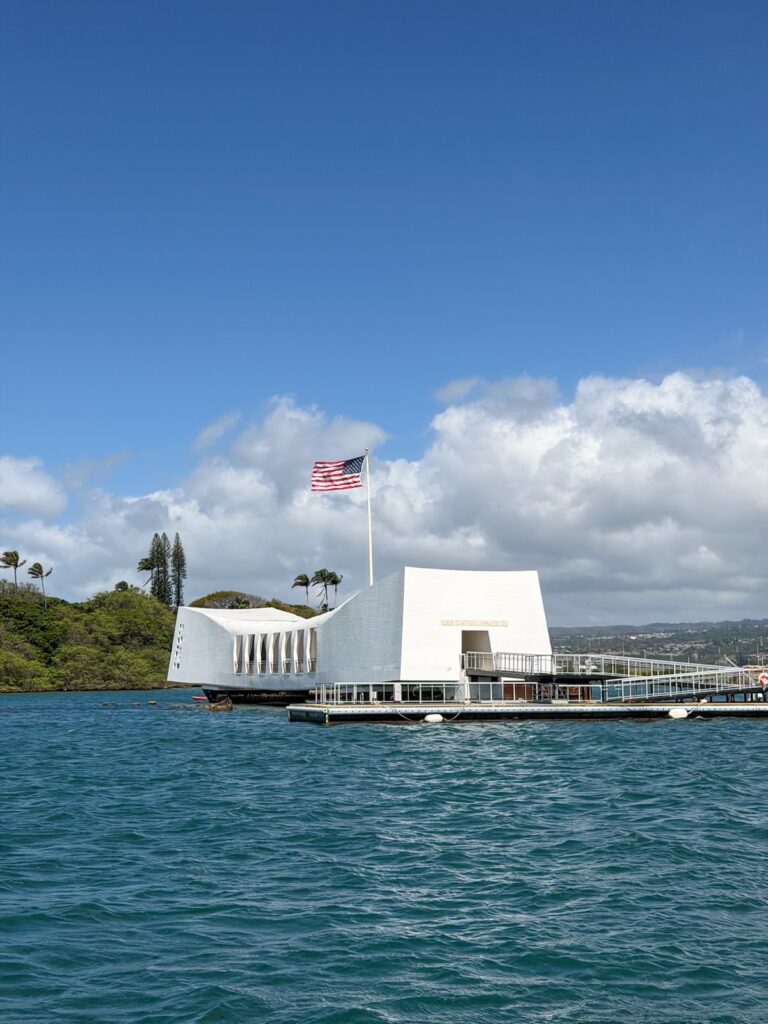
The USS Arizona Memorial sits directly above the sunken battleship, where more than 900 sailors remain entombed. That’s heavy material.
Most kids 8 and up can handle it, especially if you talk through what happened beforehand instead of springing it on them cold.
The visitor center itself is free, but tickets to the USS Arizona Memorial boat tour are the tricky part.
The part a lot of older blog posts still get wrong: walk-up, first-come tickets are gone.
Every Arizona Memorial ticket now goes through recreation.gov, and you can book up to 8 weeks ahead (a small same-day batch is also released, but don’t count on it in peak season).
There’s a $1 per ticket booking fee, everyone including infants needs their own ticket, and you should show up at least an hour early with your QR code ready.
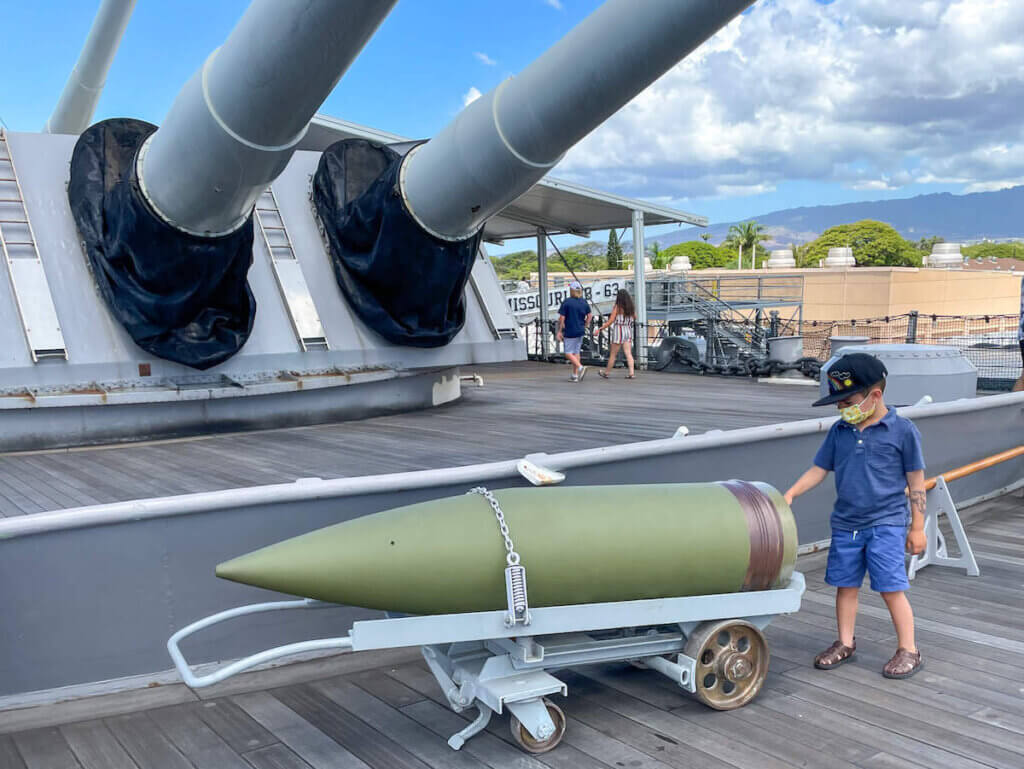
Beyond the Arizona, I’d add the USS Missouri, docked nearby, where Japan formally surrendered in 1945.
Standing on the exact deck where World War II ended is one of those moments that lands with kids in a way a textbook never will.
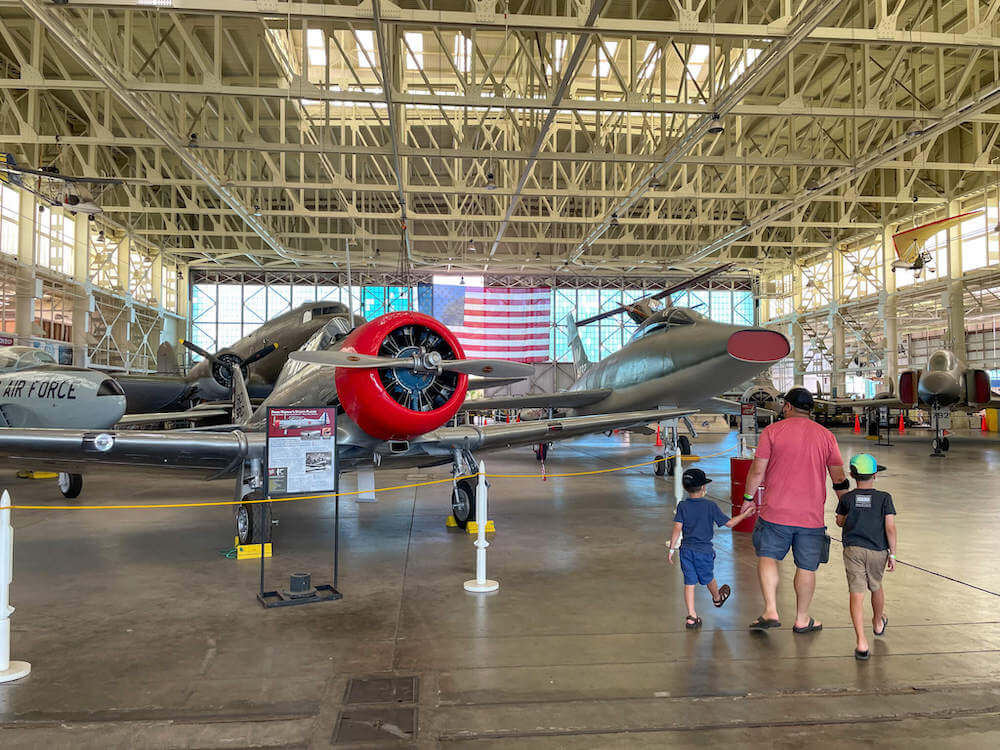
The Pearl Harbor Aviation Museum, with real WWII aircraft you can walk right up to, rounds things out nicely for kids who’d rather look at planes than read plaques.
Staying on Oahu for this trip? Compare family-friendly hotels near Pearl Harbor and Waikiki on Expedia, and if a guided half-day Pearl Harbor tour with transportation sounds easier than driving yourself, Viator has several highly-rated options.
What’s Windier Than Anywhere Else on Oahu (And Why Does It Matter)?
The Nu’uanu Pali Lookout is one of the fastest, easiest historical stops you’ll make on Oahu, and it’s also one of the windiest spots in the state. Hold onto hats and hair here.
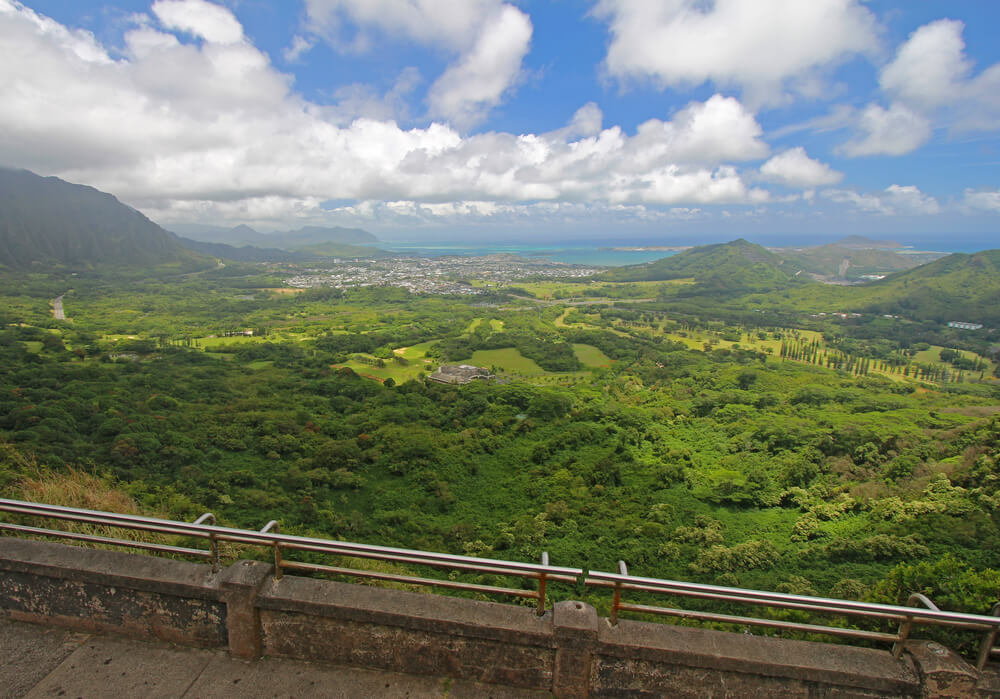
In 1795, King Kamehameha I’s warriors drove roughly 800 opposing fighters over these cliffs during the Battle of Nu’uanu, one of the final battles in his campaign to unite the Hawaiian Islands under one ruler.
There are informational plaques at the lookout that lay out the story, and the view over the windward coast alone is worth the stop.
Budget 20 to 30 minutes here. It’s a quick add-on if you’re already driving between Honolulu and the windward side, and even young kids get a kick out of the wind nearly knocking them over.
Where Did Hawaii’s Last Queen Consort Spend Her Summers?
Queen Emma Summer Palace, tucked into Nu’uanu Valley, was the cool-weather retreat of Queen Emma, wife of King Kamehameha IV, from 1857 until her death in 1885. It’s a fraction of the size of Iolani Palace, which makes it a gentler, more manageable stop for younger kids.
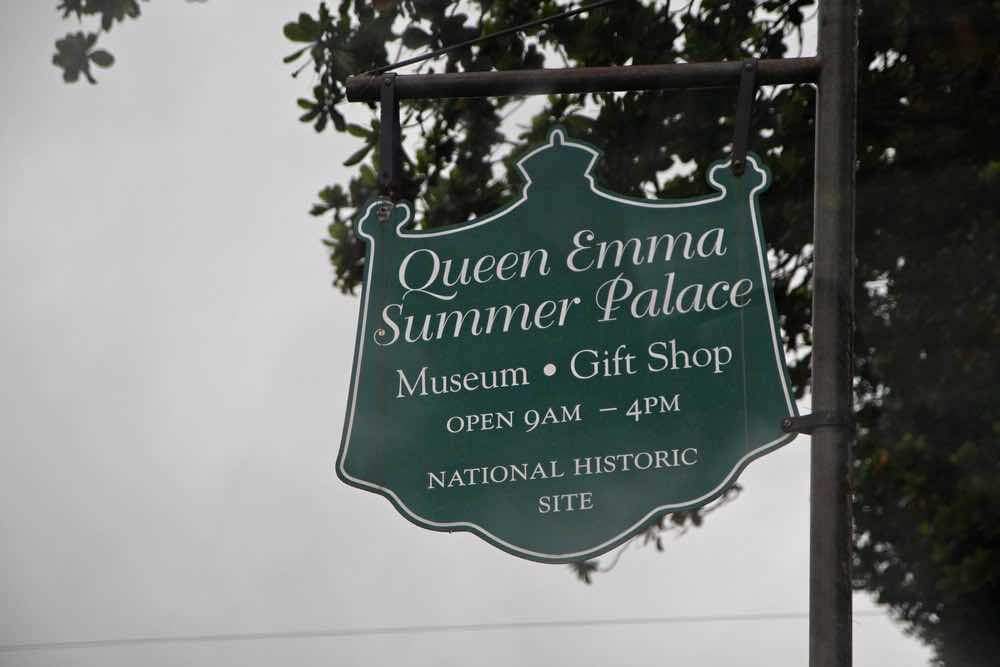
It’s open Wednesday through Saturday, 10 a.m. to 3 p.m., with the last entry at 2:30 p.m. Adult admission is $16, youth ages 6 to 17 are $14, and kids 5 and under get in free.
If your family likes a guided storytelling approach, the docent-led Mo’olelo tour runs $20 per person on select mornings and is worth booking ahead.
Plan on 45 minutes here. It pairs well with Iolani Palace if you want a “two palaces in one day” kind of afternoon.
Should You Actually Book the Polynesian Cultural Center?
The Polynesian Cultural Center on Oahu’s North Shore isn’t a historical site in the strict sense (it opened in 1963), but it’s built around recreating traditional villages from across Polynesia, Hawaii included, so I’m including it here since so many of you ask.
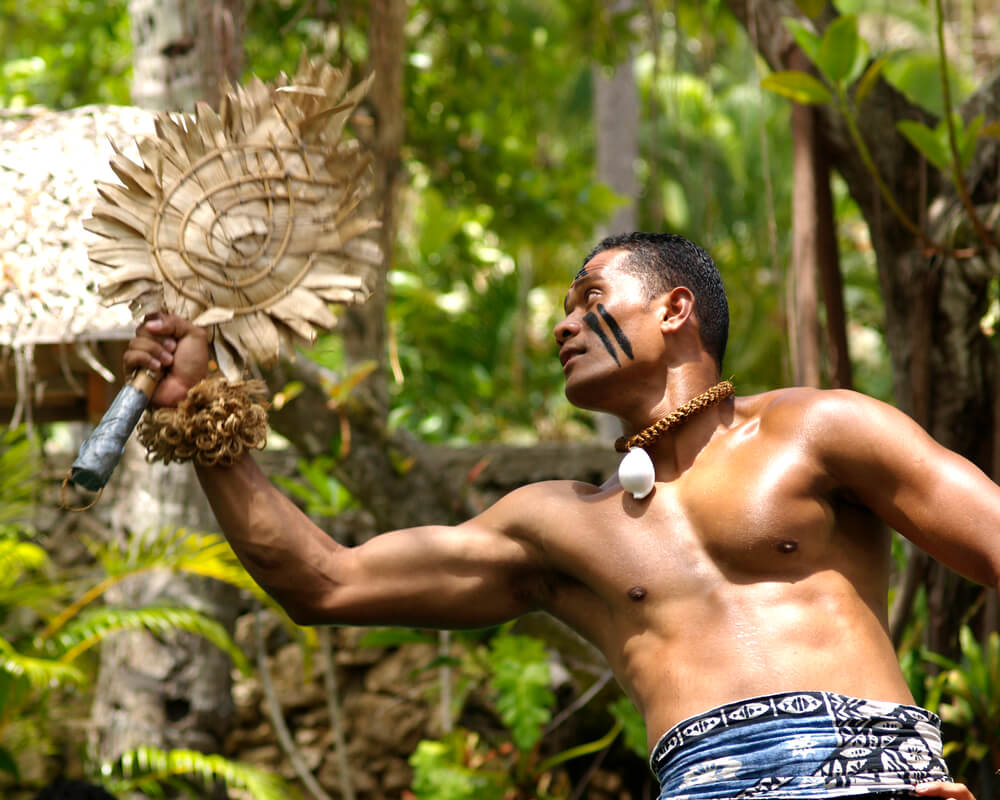
It’s a fun, high-energy half day to full day out, with six village areas, a canoe pageant, and an evening show.
Just know it’s a real investment: 2026 packages start around $94.95 for adults and $75.96 for kids ages 4 to 11 for basic admission, climbing well past $200 per person if you add a lu’au dinner and premium seating. Kids under 4 are free but don’t get their own seat. Check availability.
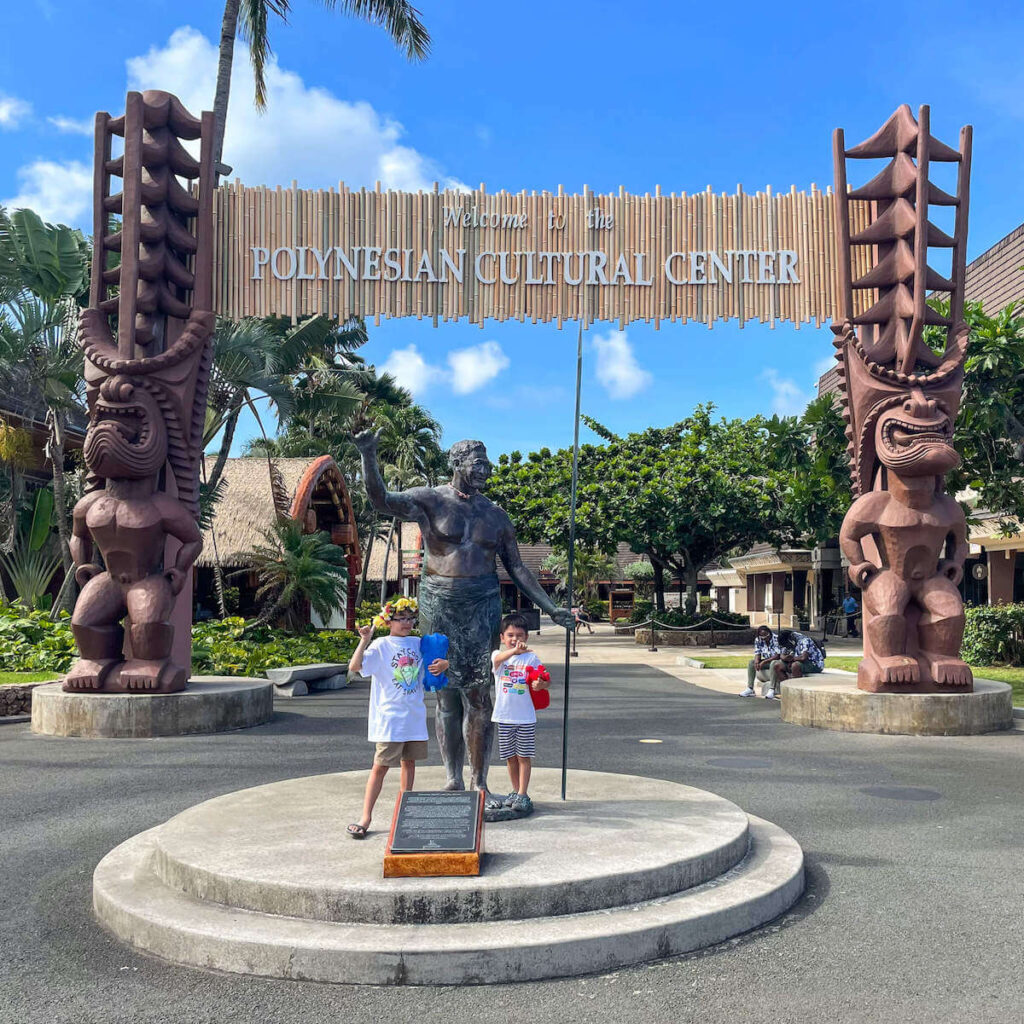
I’ve brought my own kids here, and it’s worth doing once, especially if you can catch it during a slower season when pricing dips. I wouldn’t build a whole trip around it, but as a single splurge day, it delivers.
What’s Actually Happening at Hawaii Volcanoes National Park Right Now?
This is the one where I really want you to have current information, because volcano status changes constantly and outdated blog posts send families chasing lava that isn’t there.
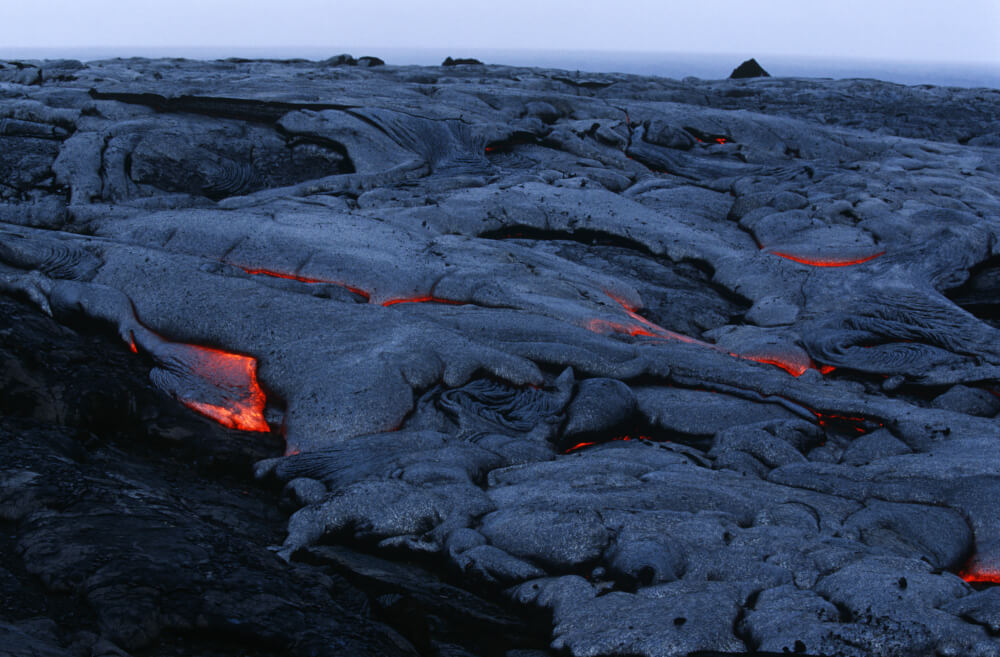
As of now, Kilauea is between eruptive episodes. The summit eruption at Halema’uma’u has paused, though scientists at the Hawaiian Volcano Observatory are watching inflation patterns that suggest another fountaining episode could start soon.
The area right around the active vent has been closed to visitors for public safety since the crater’s behavior changed back in 2008, so please don’t plan a trip around guaranteed lava viewing.
Check the USGS Kilauea updates page the week before you fly, since eruptions have started with very little warning.
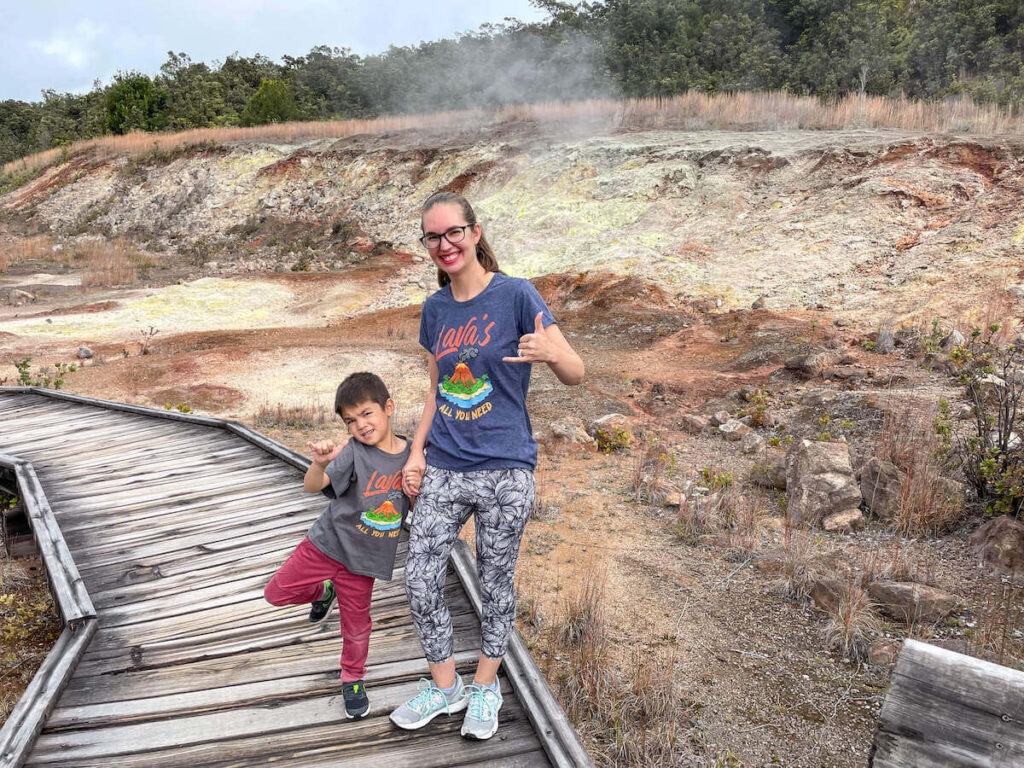
Lava or no lava, the park itself is absolutely worth the visit. Since 1983, over 500 acres of new land have been added to the Big Island by Kilauea’s activity, and walking through steam vents, lava tubes, and the crater rim trail gives kids a front-row seat to a place still actively being built.
Entrance is $30 per vehicle and covers 7 consecutive days, which is a great deal if you’re island-hopping through the Big Island. If your fourth grader is with you, don’t pay at all.
The federal Every Kid Outdoors program gives every U.S. fourth grader and their family a free annual pass to national parks, and it works here too.
Staying near the park makes the early morning crater walks so much easier. Search Volcano and Hilo-area hotels on Expedia, and grab your rental car through Discount Hawaii Car Rental since you’ll want your own wheels for this one.
What Is a Heiau, and Where Can Kids See One Up Close?
A heiau is a traditional Hawaiian temple, usually built from stacked lava rock, and they were central to religious and political life before Western contact.
If your kids only learn one Hawaiian word on this trip, “heiau” is a good one.
Pu’ukohola Heiau, on the Big Island near Kawaihae, is the most dramatic one you’ll find. King Kamehameha I built it in the late 1700s on the advice of a prophet who told him it would help him unify the Hawaiian Islands under a single ruler.
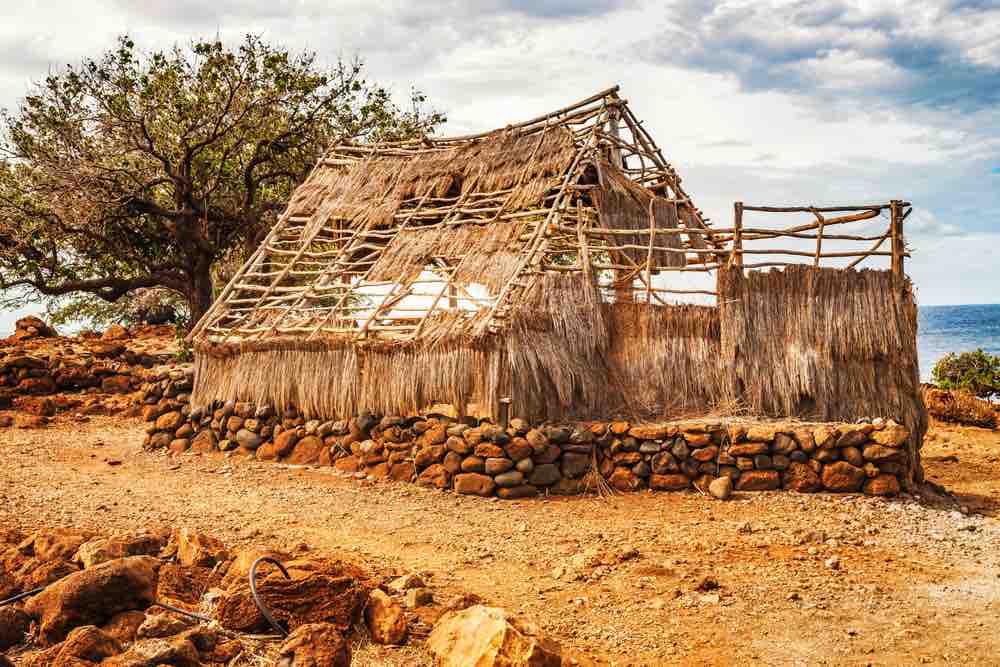
He went on to do exactly that. It’s a completely free national historic site with no entrance fee at all, which makes it an easy add to a Kohala Coast day.
On Kauai, the Wailua Heiaus cluster near the Wailua River gives you four separate temple sites in one area: Hikinaakala at the river mouth, Holoholoku (the island’s oldest heiau, next to a royal birthing stone), Poliahu overlooking Wailua Bay, and Malae, the largest of the four.
Kauai’s own Wailua Bellstone once announced royal births and important events from right around here.
Budget an hour or two to explore a few of these; they’re free, outdoors, and easy for kids to wander.
On Maui, tucked inside Kahanu Garden along the Road to Hana, Pi’ilanihale Heiau is the largest heiau in the entire Hawaiian Islands, a massive lava rock platform built starting around the 1300s.
You can’t walk on the heiau itself, but the mile-long garden trail gets you close enough to appreciate the scale.
The garden is open Monday through Friday, 9 a.m. to 3 p.m. (closed weekends, and occasionally without notice, so call ahead).
Self-guided entry is by online reservation, and guided tours run Fridays at 9:30 a.m. for $30 per adult, with kids 12 and under free.
Where Did Captain Cook Actually Land in Hawaii?
Kealakekua Bay, on the Big Island, is where Captain James Cook first made extensive contact with Native Hawaiians in January 1779.
He named the island chain the “Sandwich Islands” after his patron, the Earl of Sandwich.
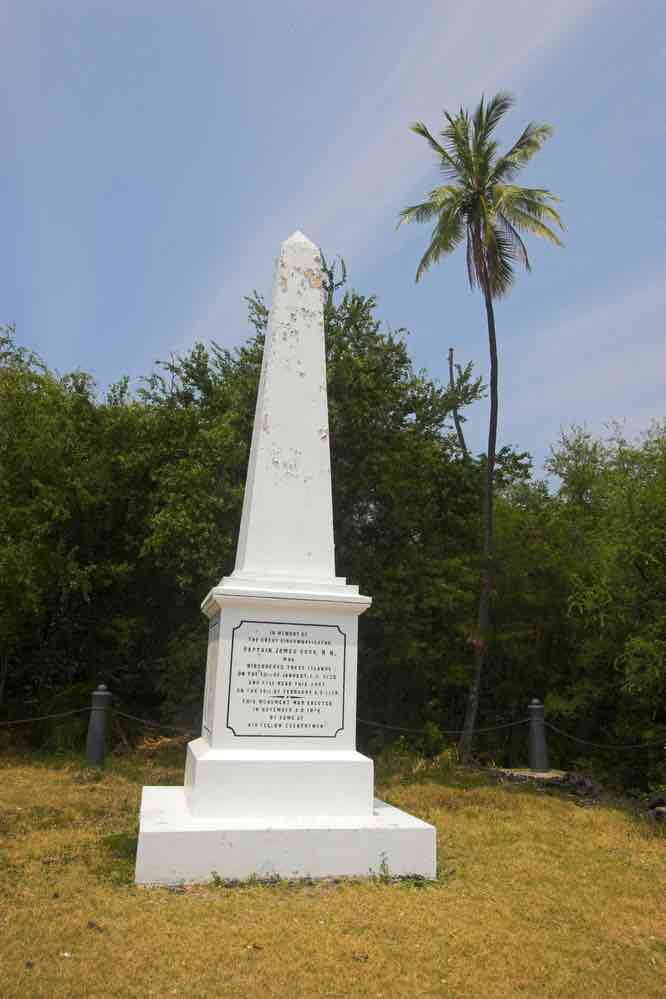
He returned less than a year later and was killed here during a confrontation with King Kalaniopu’u’s warriors, and a white obelisk monument still marks the spot today.
You can’t easily drive to the monument. Most families reach it by kayak or a guided snorkel and kayak tour across the bay, which also happens to be one of the best snorkeling spots on the island thanks to its protected marine sanctuary status.
This makes it more of an 8-and-up adventure than a toddler outing, but a good guided tour will handle the paddling logistics for you.
If a guided kayak and snorkel tour to the monument sounds like your family’s speed, check current availability on Viator before you go, since the better outfitters book up.
Nearby, Kaloko-Honokohau National Historical Park in Kona is the easy, free, stroller-friendly alternative if kayaking isn’t in the cards.
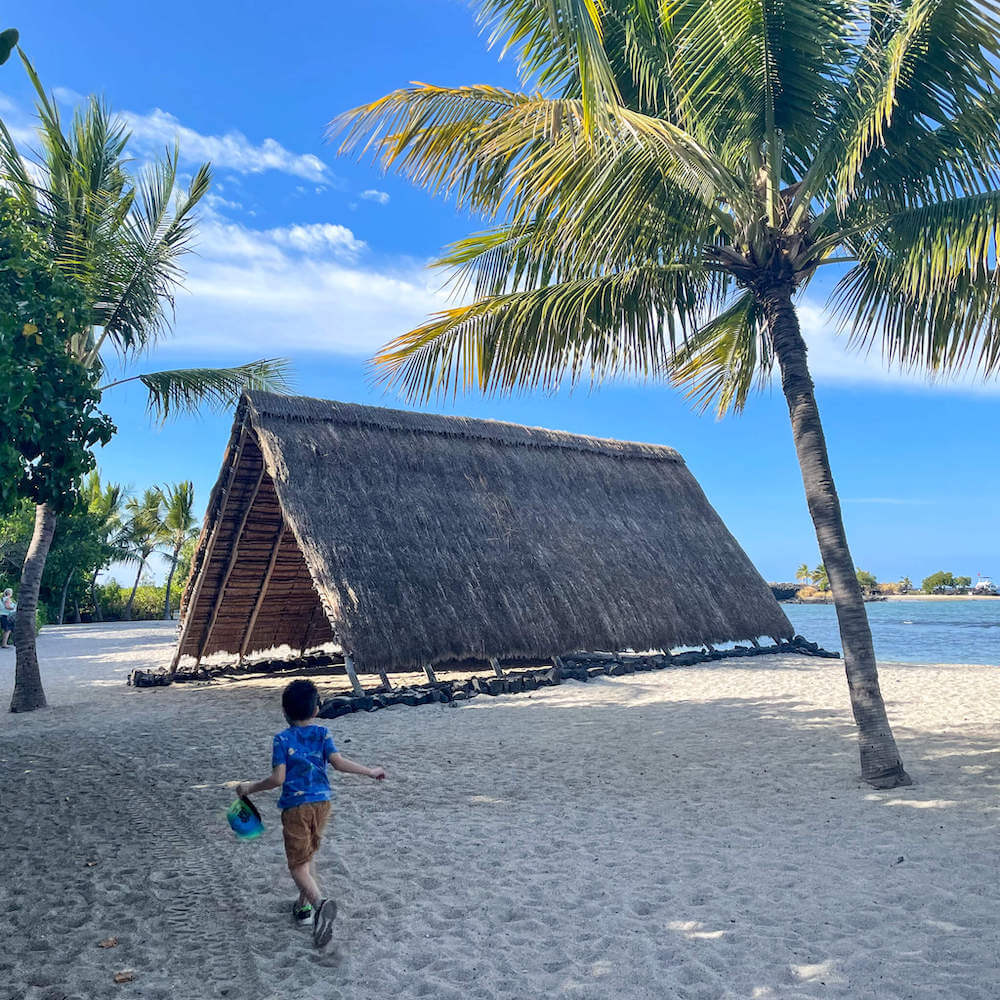
You can walk right up to ancient fishponds, house platforms, and petroglyphs, and the ‘Ai’opio Fishtrap shows how Native Hawaiians used tidal cycles to trap fish centuries before refrigeration existed.
It’s flat, free, and skipped by way too many families rushing between Kona and the volcano.
What Does a Working 1920s Coffee Farm Look Like?
The Kona Coffee Living History Farm in Captain Cook is the only living history coffee farm in the entire country, and it’s one of the most hands-on stops on this whole list.
It’s open Tuesdays and Fridays, 10 a.m. to 2 p.m., with last admission at 1:15 p.m. (double check current days before you go, since farm hours shift seasonally).
General admission is $20 for adults and $10 for kids ages 7 to 17, with kama’aina and EBT/SNAP discount rates available, and children under 7 get in free.
Costumed interpreters walk you through what coffee farming looked like in the 1920s, from hulling to drying beans on the farmhouse’s traditional hoshidana racks.
My boys were surprisingly into the farm animals and the old-school equipment they got to see up close.
It’s a good pairing with a stop at one of the working coffee farms nearby if you want to taste the difference between then and now.
Two Sites I’m Not Currently Recommending for Most Families (And Why)
Kalaupapa National Historical Park, on Molokai, has an important, difficult story.
Starting in the 1860s, Hawaii’s government forcibly exiled people with leprosy (Hansen’s disease) to this remote peninsula, isolated from the rest of the island by 1,600-foot sea cliffs.
Over the following century, more than 8,000 people died there, most buried in unmarked graves.
This is where the story gets messy, and it’s exactly why I’m not sending families here right now.
Access to Kalaupapa has always run through a living patient-resident who holds the entry permit.
Meli Watanuki, who personally reopened tours in September 2025, passed away in May 2026, and no one has stepped into that role since.
The National Park Service tried launching its own hiking-only tour on July 9, 2026 (an 8-mile round-trip down and back up a 1,700-foot cliff trail, $21 per person), but it ran exactly once.
NPS hadn’t properly consulted Molokai residents, Hansen’s disease patients and their families, or Native Hawaiian community members beforehand, and the backlash led the park to pause the whole program indefinitely a couple of days later.
As of now, there’s no public schedule and no announced timeline for when, or whether, it comes back; U.S. Rep. Jill Tokuda said in July she doesn’t expect a resumption anytime soon.
Some access may be continuing quietly through Watanuki’s estate under the existing permit through the end of 2026, but I wouldn’t plan a family trip around that without a direct call to the park first (808-567-6802).
One thing that isn’t in flux: the minimum age of 16 is Hawaii and Kalawao County law, not park policy, so this was never going to be a young-kids stop no matter how the access situation shakes out.
If you have older teens who are strong hikers and drawn to this chapter of Hawaiian history, check the park’s site directly before planning anything.
For everyone else, this is one to skip for now, or to revisit reading about together as a family instead (Alan Brennert’s novel “Moloka’i” is a moving, well-researched way to learn the history without making the trip).
Ni’ihau, the privately owned “Forbidden Island,” is fascinating but not really a family history stop in practice.
About 130 Native Hawaiians live there, preserving the Hawaiian language and traditional crafts with no modern infrastructure.
The only way to see it is a helicopter tour, currently running around $630 per person with a 5-person minimum, for a beach landing and about three hours of swimming and beachcombing on a remote shoreline.
You won’t meet residents or see the village itself. It’s a neat story to tell your kids about, but at that price for a beach visit with no real historical access, I’d put your money toward Hawaii Volcanoes or the Big Island cultural sites instead.
How to Plan This Without Losing a Week to Driving
Trying to hit even half these sites means bouncing between islands, and that’s exactly the kind of logistics I help families sort out in my Hawaii travel consultations.
A 60-minute session is usually enough to build out which historical stops fit your itinerary without turning your vacation into a scavenger hunt.

If you’re headed to Oahu specifically, my free 5-day email course on traveling to Hawaii like a pro walks through exactly how to fit stops like Pearl Harbor and Iolani Palace around beach time without burning out your kids.
Planning Oahu specifically? Grab my 7-day Oahu email course or my full Oahu travel guide for families.
Headed to the Big Island for the volcano and coffee farm sites? My Big Island travel guide and Big Island email course cover the driving logistics between Kona and Hilo.
And if you’re island-hopping to catch several of these, my Hawaii island-hopping guide breaks down whether that’s even worth it for your trip length.
I also talk through spots like these regularly on my podcast, Hawaii Travel Made Easy, if you’d rather listen than read while you’re doing laundry or driving carpool.
And however you document the trip, my printable Hawaii travel journal and the kids’ version do a good job getting kids to remember what they saw at each stop instead of it all blurring into one long car ride.
FAQ: Historical Places in Hawaii with Kids
What is the only royal palace in the United States?
Iolani Palace in Honolulu, built in 1882 by King Kalakaua. It served as the official residence of the Hawaiian monarchy until the 1893 overthrow, and it’s the only royal palace on U.S. soil.
Is Pearl Harbor appropriate for young kids?
Most guides recommend it for kids 8 and older, since the subject matter (a surprise attack that killed over 2,400 people) is heavy. Talking through the history beforehand helps a lot. The visitor center is free, but Arizona Memorial boat tickets must be booked in advance through recreation.gov.
Can you still see lava at Hawaii Volcanoes National Park?
Not guaranteed. Kilauea’s activity comes in episodes with pauses between them, and the area closest to the active vent has been closed to the public since 2008 for safety. Check the USGS Kilauea updates page shortly before your trip for the current status.
What is a heiau?
A heiau is a traditional Hawaiian temple, typically built from stacked lava rock, used for religious ceremonies and political events before Western contact. Pu’ukohola Heiau on the Big Island and the Wailua Heiaus on Kauai are two of the most accessible examples for families.
Can kids visit Kalaupapa National Historical Park on Molokai?
Not currently. As of 2026, the only way in is an 8-mile round-trip hike, and Hawaii state law requires visitors to be at least 16 years old. It’s not an option for younger kids right now.
Do you need reservations for the USS Arizona Memorial?
Yes. Walk-up tickets are no longer available. Every ticket is booked through recreation.gov, up to 8 weeks in advance, with a small same-day allotment released each morning.
Is the Bishop Museum worth it with kids of different ages?
I think it’s the single best all-ages history stop in Hawaii. Younger kids gravitate toward the planetarium and Hawaiian Hall’s giant sperm whale skeleton, while older kids and adults get more out of the cultural artifacts and royal history.
Are national park entrance fees waived for any kids?
Yes. Through the Every Kid Outdoors program, every U.S. fourth grader gets a free annual pass covering their whole family at national parks, including Hawaii Volcanoes National Park.
However many of these you actually fit in, even one or two changes the shape of a Hawaii trip.
My boys still bring up standing on the deck of the USS Missouri years later, long after they’ve forgotten which beach we visited that same week.
That’s usually how it goes with this kind of stop: it’s not the one they ask for, but it’s the one that sticks.
 | About the author: Marcie Cheung is a Hawaii travel consultant for families who has visited Hawaii more than 40 times. She is the founder of Hawaii Travel with Kids and host of the Hawaii Travel Made Easy podcast. She offers one-on-one Hawaii trip planning consultations and itinerary reviews for families, couples, and honeymooners. |