Planning a trip to Maui and want to know whether or not Haleakalā National Park is worth it? Keep scrolling for my top tips for exploring this Maui national park.
This post about Haleakala National Park tips was written by Hawaii travel expert Marcie Cheung and contains affiliate links which means if you purchase something from one of my affiliate links, I may earn a small commission that goes back into maintaining this blog.
I’ll never forget my first visit to Haleakala National Park.
I packed my mom and toddler into the rental car wearing t-shirts and shorts because, hello, we were in Hawaii.
It was gorgeous beach weather down in Wailea.
We drove up to the summit during the day, stepped out of the car, and immediately started shivering. I’m talking teeth-chattering cold.
My poor mom looked at me like “really?” and we basically had to sprint back to the car for warmth after about five minutes of trying to enjoy the views.
That rookie mistake taught me everything I needed to know about visiting Haleakala.
When I came back a few years later for sunrise, I showed up prepared.
Lightweight puffer jacket? Check. Beanie? Check. Long pants and hand warmers? You bet.
And that second visit was absolutely magical.
If you’re planning to visit Haleakala National Park on your Maui trip, learn from my mistakes so you can actually enjoy one of the most spectacular experiences on the island.
What Makes Haleakala So Special?
Haleakala means “House of the Sun” in Hawaiian.
According to legend, the demigod Maui climbed to the volcano’s summit and lassoed the sun to slow its journey across the sky.
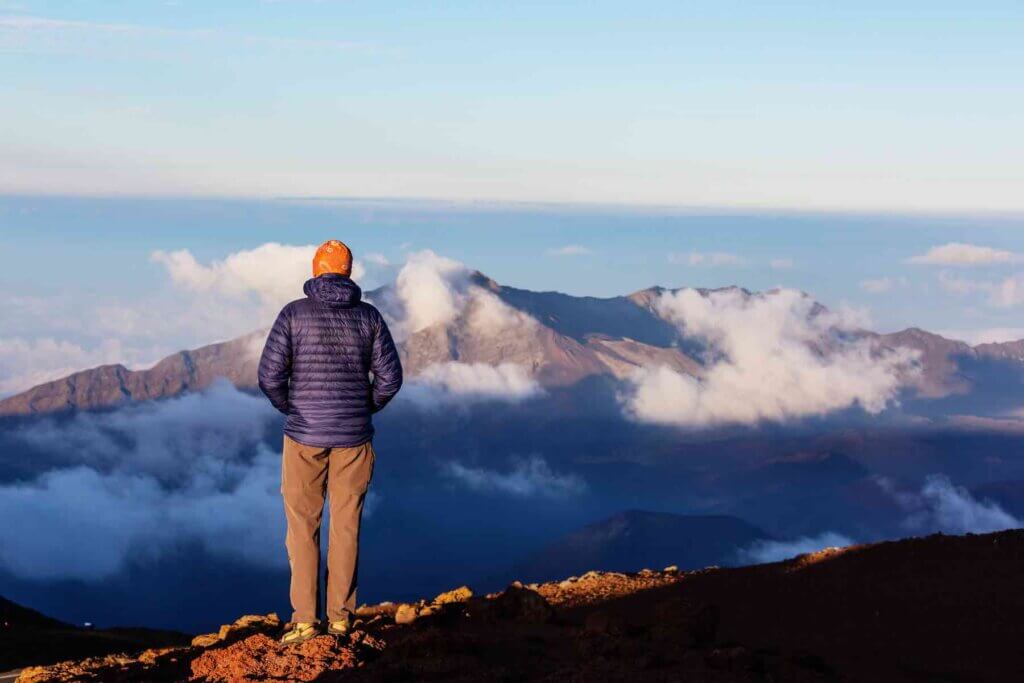
Standing at 10,023 feet above sea level, this dormant volcano is visible from almost anywhere on the island.
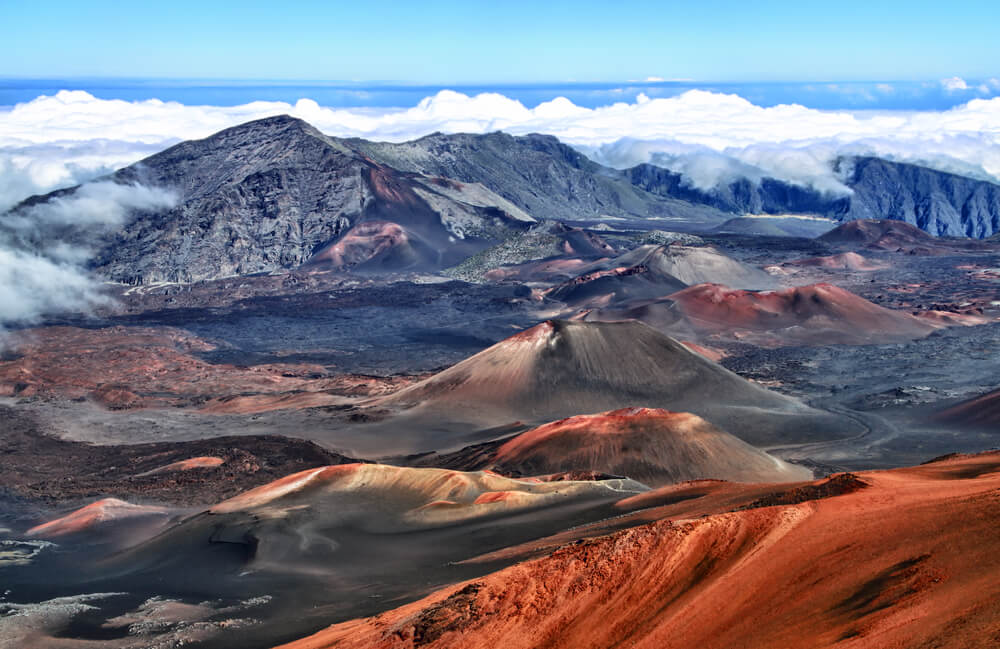
The park protects more than 33,000 acres of land with landscapes that honestly look like another planet.
You’ll see cinder cones, volcanic desert, rare silversword plants that bloom once in their 50-year lifespan, and endangered nene geese wandering around like they own the place (which, honestly, they kind of do).
Haleakala National Park has two completely different districts.
The Summit District is where most people go for sunrise and hiking. The Kipahulu District is down by the coast along the Road to Hana, where you’ll find the famous Pipiwai Trail and pools of Oheo.
Entrance Fees and Passes (2026)
Here’s what you need to know about getting into the park:
Private vehicle: $30 (valid for 3 consecutive days, covers both Summit and Kipahulu districts)
Motorcycle: $25 (valid for 3 days)
Walk-in/bicycle: $15 per person ages 16+ (valid for 3 days)
Hawaii Tri-Park Annual Pass: $55 (gets you into Haleakala, Hawaii Volcanoes, and Puuhonua o Honaunau on the Big Island for a year)
America the Beautiful Pass: $80 annual pass works here too
The park has gone cashless, so bring a credit card. You can also purchase your pass ahead of time on Recreation.gov to skip the line at the entrance station.
Pro tip: That $30 entrance fee is good for three days and works at both the Summit District and the Kipahulu District along the Road to Hana.
Plan your trip so you can hit both areas and get the most value from your pass.
The Sunrise Reservation System (Yes, You Need One)
Okay, this is where people get tripped up. If you want to see sunrise from Haleakala, you absolutely need a reservation. This isn’t optional.
The basics:
- Reservations are required for each vehicle entering the Summit District between 3:00 AM and 7:00 AM
- Cost: $1 per vehicle (this is separate from the $30 entrance fee)
- Book up to 60 days in advance on Recreation.gov
- A limited number of tickets are also released 2 days before the date
- One reservation per person every 3 days
- No reservations sold at the gate (if you don’t have one, you’re out of luck until 7 AM)
These reservations sell out FAST during peak season. I’m talking minutes. Set an alarm for 7:00 AM Hawaii time exactly 60 days before your desired date, log into Recreation.gov before tickets drop, and be ready to book immediately.
You’ll need to show your reservation confirmation and photo ID at the park entrance. The name on the reservation must match the driver’s ID.
If you don’t score a reservation or the whole 3 AM wake-up call sounds miserable, you have options.
You can book a Haleakala sunrise tour where they handle everything including transportation, or you can go for sunset instead (more on that in a minute).
Should You Choose Sunrise or Sunset?
Here’s my honest take as both a professional tourist and Hawaii travel expert: sunrise gets all the hype, but sunset might actually be better for families.
Sunrise pros:
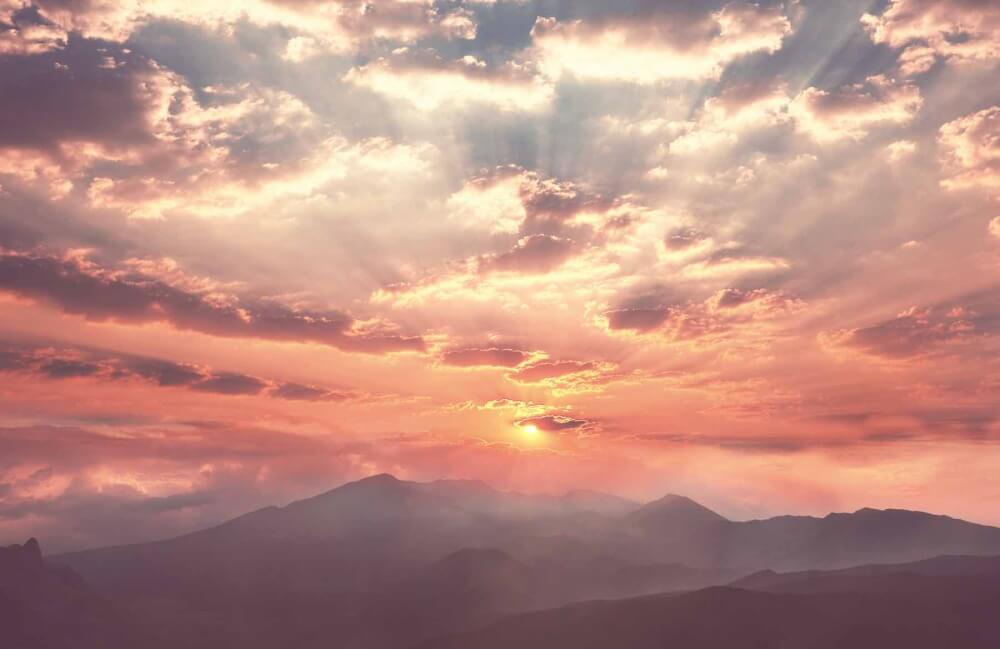
- Watching the sun break over the clouds at 10,000 feet is legitimately one of the most beautiful things you’ll ever see
- The colors are often more dramatic in the morning
- You’ll have the whole day ahead of you after
Sunrise cons:
- That 3 AM wake-up call is brutal, especially with jet-lagged kids
- You’re driving up a dark, winding mountain road with no streetlights
- Weather is totally unpredictable, you might get clouds and see nothing
- Parking fills up fast even with reservations
- It’s crowded, tour buses everywhere
Sunset pros:
- No reservation required (just show up)
- You can check the weather before deciding to go
- Drive up in daylight so you can actually see the gorgeous scenery
- Way less crowded
- The drive down after sunset, above the clouds, is absolutely magical
- More relaxed timeline, no stressed-out rushing
Sunset cons:
- Parking can still fill up, arrive an hour before sunset
- Driving down in the dark (though honestly easier than driving up in the dark)
- Slightly less dramatic colors (but still spectacular)
For families with kids or anyone who values sleep and flexibility, I genuinely think sunset is the move.
You still get incredible views, beautiful light, and you can make it a full afternoon adventure exploring upcountry Maui before heading to the summit.
If you’re feeling overwhelmed trying to plan all this, I offer Hawaii travel consultations where we can map out your perfect Haleakala experience based on your family’s needs and schedule.

Hiking at Haleakala: Best Trails for Different Skill Levels
Don’t just drive to the summit and leave. The hiking here is incredible and shows you sides of the park that most visitors miss.
Easy trails (great for families)
Hosmer Grove Trail (0.6 miles, mostly flat)
Perfect for birdwatching. This loop near the park entrance takes you through non-native trees and native shrubs where you might spot the crimson apapane or scarlet iiwi honeycreepers.
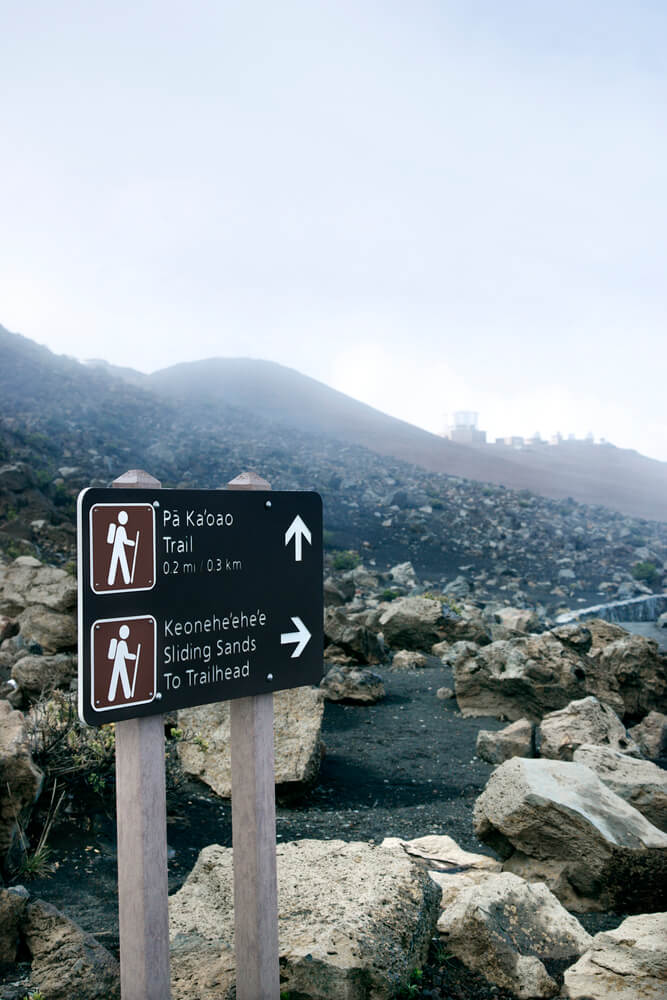
Pa Kaoo Trail/White Hill (0.2 miles one way)
Right by the visitor center, this quick walk gives you panoramic crater views without much effort. At 9,740 feet, it’s one of the highest viewpoints you can reach with minimal walking.
Leleiwi Overlook Trail (0.3 miles roundtrip)
A slightly windy walk to an overlook at 8,800 feet with different crater perspectives. Less crowded than the summit for sunrise watching.
Moderate to challenging trails
Sliding Sands Trail/Keoneheehee (11.2 miles roundtrip to junction, or 5 miles roundtrip to cinder cone)
This is the iconic Haleakala hike. You descend 2,800 feet into the crater through landscapes that look exactly like Mars. The volcanic sand, colorful cinder cones, and rare silversword plants make this unforgettable.
Here’s the thing nobody tells you: going DOWN is easy. Coming back UP at 10,000 feet elevation will kick your butt.
If you’re not used to high altitude, just do the first 2.5 miles to the cinder cone and turn around. That’s still a solid 5-mile hike with incredible views.
Halemau’u Trail (7.5 miles to Holua Cabin)
Starts at 7,990 feet and takes you through switchbacks down to the valley floor. The whole thing is intense, but even hiking just a portion gives you killer views of the West Maui Mountains and the crater.
What you need for hiking:
- Actual hiking boots or sturdy shoes (not flip flops, seriously)
- Layers of clothing
- Sun protection (the UV is intense at this altitude)
- Way more water than you think you need
- Snacks and lunch
- First aid supplies
The park has ZERO food or water available for purchase. This isn’t Disneyland, it’s wilderness. Come prepared or you’ll have a miserable time.
For longer hikes or if you want expert guidance, check out this Haleakala crater hiking tour that includes lunch and a knowledgeable guide who can teach you about the geology and cultural significance.
The Temperature Thing (Learn from My Mistake)
Remember how I showed up in shorts and a t-shirt? Don’t be like first-time me.
The temperature at Haleakala’s summit is typically 30-40 degrees colder than at sea level. For every 1,000 feet you climb, it drops about 3 degrees.
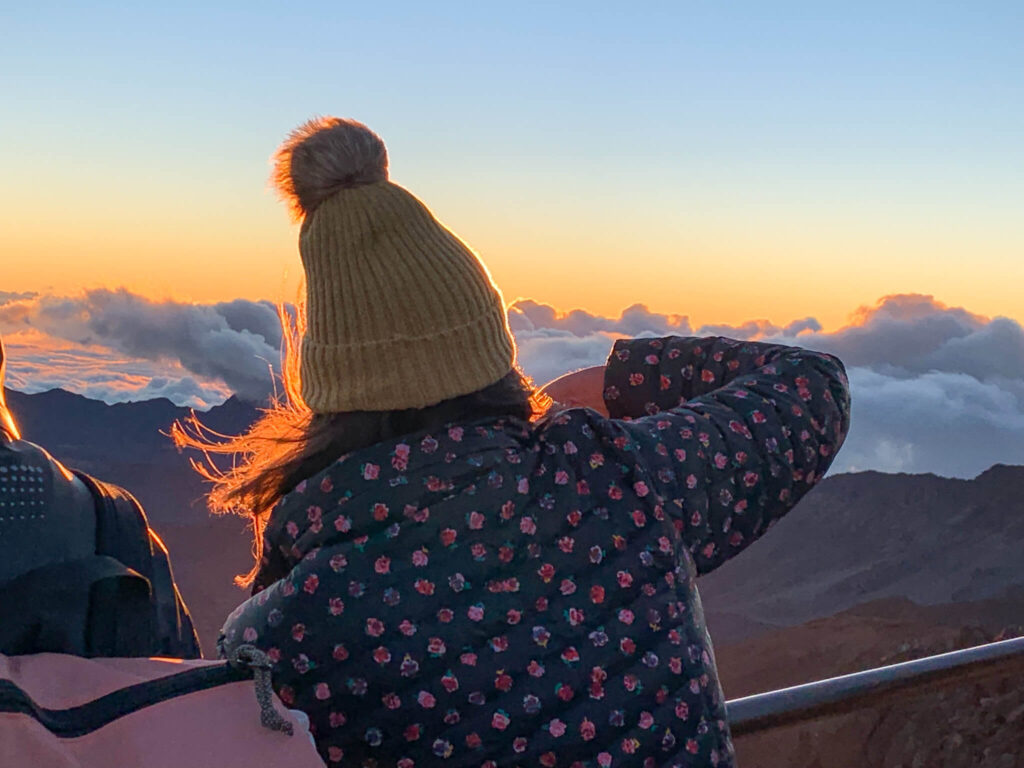
So if it’s a perfect 80°F at your beach resort, it’ll be around 50°F at the summit during the day. Add wind chill and you’re looking at legitimately cold conditions.
For sunrise or sunset (before dawn/after dusk):
- Temperatures regularly drop below freezing
- Wind makes it feel even colder
- Bring: warm jacket or puffer, long pants, beanie, gloves, closed-toe shoes
- Hand warmers are a game changer
- Some people literally bring blankets from their hotel
For daytime visits:
- Still chilly, usually 50-65°F at the summit
- Dress in layers you can remove as it warms up
- Long sleeves and pants are your baseline
- Don’t forget sunscreen (the sun is brutal at this altitude)
The weather can change in minutes. You might start in sunshine and end up in clouds and wind. Always bring rain gear and that extra layer even if it looks perfectly clear.
Stargazing at Haleakala
If you go for sunset, stick around after for stargazing. The summit’s high elevation, lack of light pollution, and clear air make it one of the best places in Hawaii to see stars.
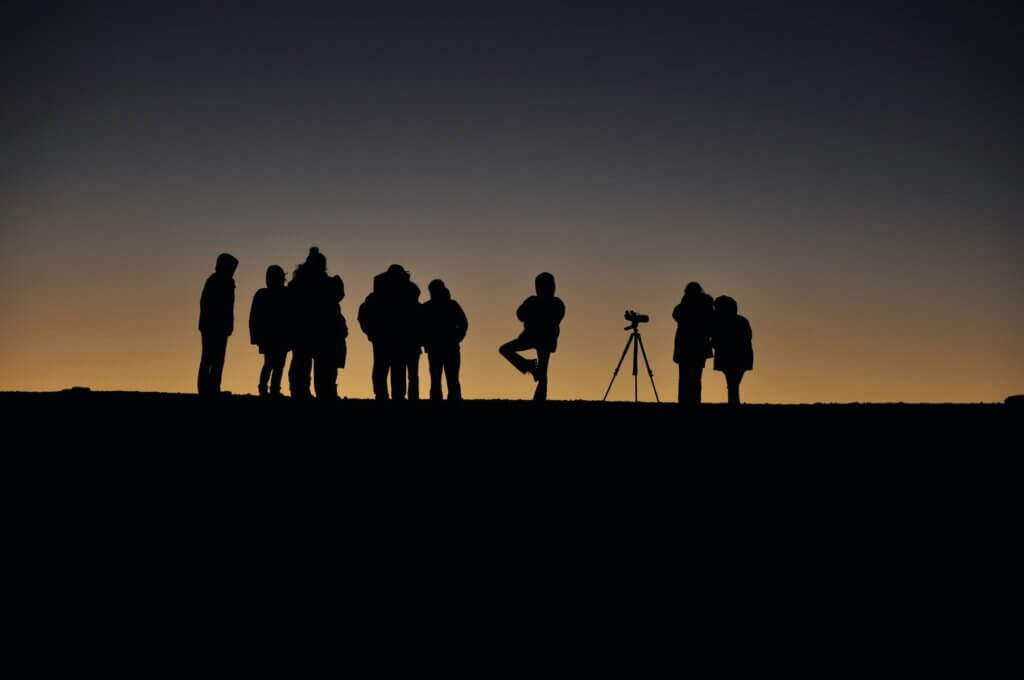
On a clear night, you can see the Milky Way stretching across the sky, countless constellations, and sometimes even planets.
Bring a star map (available at the visitor center) or use a stargazing app on your phone.
The Maui All Stars Stargazing Tour combines sunset viewing with expert-led stargazing and telescopes if you want the full experience.

Camping and Wilderness Cabins
Want to catch both sunrise and sunset without driving up twice? You can camp in the crater.
Hosmer Grove Campground
Free, first-come first-served camping at 7,000 feet near the entrance. Has tent sites, pit toilets, and water. No reservations needed.
Holua and Paliku Wilderness Campsites
Remote campsites inside the crater reached by hiking trails. You’ll need permits (apply well in advance through the National Park Service). These fill up fast, especially Paliku.
Both wilderness sites have cabins you can reserve, but they’re seriously competitive to get. If you score one, you’ll have an incredible backcountry experience with otherworldly sunrise and sunset views.
When’s the Best Time to Visit Haleakala?
Honestly? Any time of year works. The park is open 24 hours a day, 365 days a year.
Dry season (April-October):
- Clearer skies, better for sunrise/sunset viewing
- Less rain
- More predictable weather
- Busier with tourists
Wet season (November-March):
- More clouds and rain possible
- Colder temperatures at the summit
- Better chance of seeing snow (yes, snow in Hawaii)
- Fewer crowds
Weather at 10,000 feet is unpredictable no matter when you go. I’ve had perfectly clear July days and cloudy December mornings. Check the summit conditions before you drive up.
Logistics You Need to Know
Drive time from different areas:
- West Maui (Kaanapali, Lahaina): 2-2.5 hours
- South Maui (Kihei, Wailea): 1.5-2 hours
- Central Maui (Kahului): 1.5 hours
- Upcountry (Kula, Makawao): 45 minutes-1 hour
The road has 21 switchbacks with no guardrails in many sections and zero street lighting. Take it slow, especially in the dark. Watch for cattle on the road September through March.
Important safety notes:
- Gas up before you go (no gas stations in the park)
- Cell service is spotty to nonexistent
- Altitude sickness is real (stay hydrated, take it slow if you feel lightheaded)
- No food or supplies available anywhere in the park
- Bathrooms are only at the visitor center and park headquarters
If you have health conditions affected by high altitude, check with your doctor before going. The thin air at 10,000 feet hits some people harder than others.
Where to Stay Near Haleakala
Most people stay in the resort areas and drive up for the day, but if you want to be closer:
Upcountry Maui (Kula, Makawao, Pukalani) – Charming towns 30-60 minutes from the summit with B&Bs, vacation rentals, and Kula Lodge (their restaurant had a fire in August 2025 but the lodge itself is still operating).
Find hotels near Haleakala here to compare prices and availability.
Other Things to See in the Park
Kipahulu District – The coastal section of the park along the Road to Hana. Your entrance pass works here too. Don’t miss the Pipiwai Trail (4 miles roundtrip through bamboo forest to 400-foot Waimoku Falls) and the pools of Oheo.
Science City – The cluster of observatories you can see from the summit. It’s closed to the public but makes for cool photos.
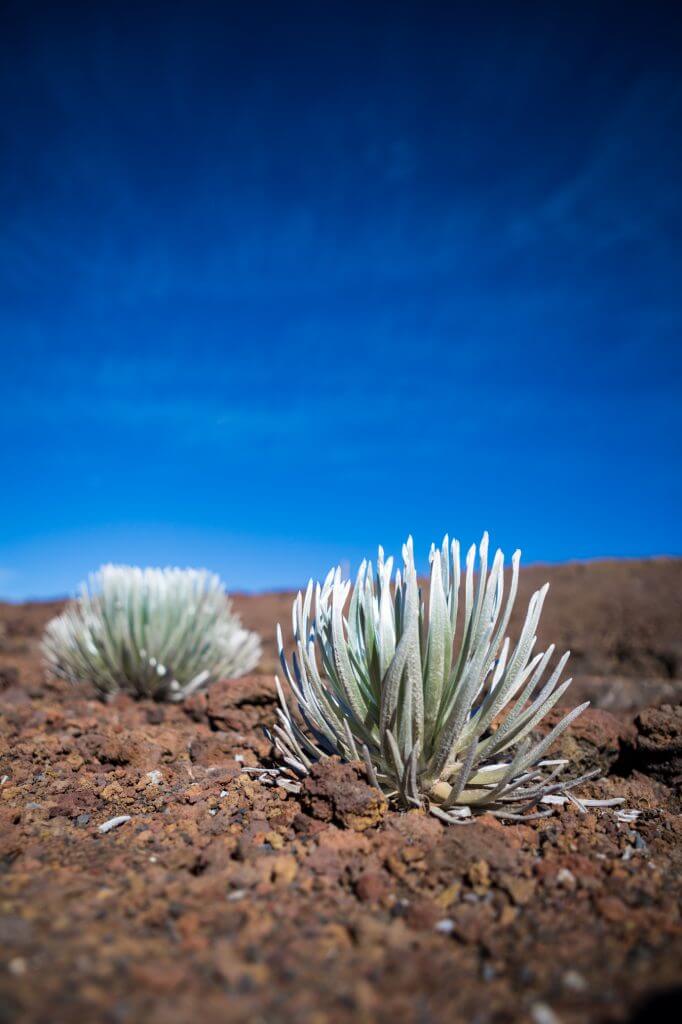
Endangered Species – Keep your eyes open for nene geese (Hawaii’s state bird), silversword plants (they bloom once then die), and if you’re incredibly lucky, the Hawaiian hoary bat.
Cultural Sites – Ancient Hawaiian stone shelters are visible along some trails. These are sacred, protected sites. Look but never touch or enter them.
Making the Most of Your Haleakala Visit
Don’t make this just a quick sunrise stop. The park deserves at least half a day, ideally a full day.
My perfect Haleakala itinerary: Drive up mid-morning, explore upcountry Maui (maybe stop in Makawao or Kula for lunch), head to the summit for sunset, stick around for stargazing, then drive back down.
Or if you’re ambitious: Camp at Hosmer Grove, catch sunrise, spend the day hiking, watch sunset, see the stars, wake up and do it again.
For more detailed planning help, my free 7-day Maui email course walks you through creating the perfect itinerary including when to fit in Haleakala.
Haleakala Tours Worth Booking
If navigating this all yourself sounds overwhelming, these tours handle the logistics:
Haleakala Sunrise Tour with Breakfast – They pick you up from your hotel, have the sunrise reservation sorted, include breakfast, and you don’t have to drive in the dark. Perfect for families.
Haleakala Sunrise Bike Tour – Watch sunrise then bike 23 miles downhill. This is more for active adults, not ideal with small kids.
Sunset Tour with Dinner – Sunset viewing plus a nice meal and stargazing. Takes all the guesswork out.

Frequently Asked Questions
Is Haleakala worth it?
Absolutely. This is one of those experiences that pictures don’t do justice. Whether you go for sunrise, sunset, or just a daytime visit, the landscapes and views are unlike anything else.
Can you visit Haleakala without a reservation?
Yes, if you arrive after 7 AM or you’re going for sunset/daytime. Reservations are only required for sunrise viewing between 3-7 AM.
How long does it take to drive to Haleakala summit?
1.5-2.5 hours depending where you’re starting from. It’s not a quick trip.
Is there an active volcano on Maui?
No. Haleakala is dormant. Its last eruption was sometime between 1480-1600. If you want to see active lava, you need to visit Hawaii Volcanoes National Park on the Big Island.
What does Haleakala mean?
“House of the Sun” in Hawaiian. The name comes from the legend of demigod Maui lassoing the sun from the summit.
Can you drive to the top of Haleakala?
Yes, you can drive all the way to the summit. No hiking required, though you should definitely hike once you’re there.
My Final Honest Thoughts
Haleakala National Park is one of those places that makes you realize why people travel. Yes, it takes effort. Yes, you need to plan ahead. Yes, you’ll be cold if you’re not prepared (learn from my mistake).
But standing at 10,000 feet watching the sun break over clouds, or hiking through volcanic landscapes that look like Mars, or seeing the Milky Way stretch across an ink-black sky… those moments stick with you.
As someone who’s been to Hawaii 40+ times, I can tell you that Haleakala ranks among the most special experiences across all the islands. Don’t skip it just because the planning seems complicated.
Pack those warm layers, book that sunrise reservation or plan for sunset, and go see the House of the Sun for yourself. You won’t regret it.
Want to hear more about my Haleakala experiences and get additional planning tips? Check out my podcast episode How to Visit Haleakalā Crater on Maui on Hawaii Travel Made Easy.
And if you’re ready to plan your complete Maui vacation, grab my comprehensive Maui Travel Guide for Families with daily itineraries, kid-friendly activities, and all my insider tips from years of exploring the island.
Related posts you might like:
- 5 Days in Maui Itinerary
- Road to Hana Guide & Tips
- Best Maui Hiking Trails
- Things to Do in Maui with Kids
 | About the author: Marcie Cheung is a Hawaii travel consultant for families who has visited Hawaii more than 40 times. She is the founder of Hawaii Travel with Kids and host of the Hawaii Travel Made Easy podcast. She offers one-on-one Hawaii trip planning consultations and itinerary reviews for families, couples, and honeymooners. |