
This post on Hawaii vacation rentals was written by Hawaii travel expert Marcie Cheung and contains affiliate links which means if you purchase something from one of my affiliate links, I may earn a small commission that goes back into maintaining this blog.
TL;DR: Hawaii Vacation Rentals in 2026
Hawaii’s vacation rental landscape changed significantly in 2025-2026, but legal rentals are still available.
Honolulu increased registered vacation rentals from 680 to over 1,380 properties, while Maui is phasing out approximately 7,000 short-term rentals in residential zones through 2030.
The Big Island requires all rentals to register by July 1, 2026, with fines up to $10,000 per day for non-compliance.
Kauai restricts rentals to designated Visitor Destination Areas.
The bottom line: Vacation rentals still exist, but you must verify your booking is legal.
Always request the property’s TAT (Transient Accommodations Tax) number and Certificate of Registration.
Book through platforms that verify legal status or work directly with established property managers who provide documentation.
Your best bet: Resort-area condos, condo-hotels, and hotels with kitchen amenities offer vacation rental benefits without regulatory uncertainty.
The Big Island currently has the most flexible vacation rental availability.
Action item: Don’t panic about existing bookings, but verify immediately. For new bookings, ask for documentation upfront. When in doubt, choose accommodations in designated resort zones.

You’ve been planning your Hawaii family vacation for months.
You’ve found the perfect oceanfront rental home on vrbo. Three bedrooms, full kitchen, that gorgeous lanai where you can picture your kids playing while you finally finish your morning coffee in peace.
Then you scroll through your news feed and see headlines about “Hawaii vacation rental crackdowns” and “Maui banning short-term rentals.”
Now you’re panicking. Is your reservation still valid? Should you have booked a hotel instead? Are you going to show up in Hawaii only to find out your rental is illegal?
The confusion around Hawaii vacation rentals right now is real, and it’s stressful when you’re trying to plan a family vacation that costs thousands of dollars.
So here’s what’s actually happening: Vacation rentals are NOT illegal in Hawaii.
But the rules have changed, and they’re different on each island. Some areas that used to allow vacation rentals no longer do. Other areas are enforcing existing regulations more strictly.
And yes, some properties that were operating illegally are being shut down.
But plenty of legal vacation rentals still exist, especially in resort areas. You just need to know what to look for.
I’ve visited Hawaii 40+ times and stayed in both vacation rentals and hotels across all the islands.
I’m a Certified Hawaii Destination Expert and a professional tourist, and I’m going to walk you through exactly what’s happening, island by island.
Where vacation rentals are still legal, how to verify your booking is legitimate, and what alternatives work best for families who want that vacation rental experience without the uncertainty.

What Actually Happened with Hawaii Vacation Rentals?
Hawaii didn’t wake up one day and decide to ban vacation rentals. This has been building for years.
2018-2019, Hawaii starts addressing overtourism concerns and affordable housing shortages. Local residents are struggling to find places to live as more properties convert to short-term rentals.
2022, Honolulu starts requiring vacation rental registration. $1,000 initial fee, $500 annual renewal.
2023, multiple counties begin serious enforcement crackdowns. Fines range from $1,000 to $10,000 per day for illegal vacation rentals.
May 2024, Governor Josh Green signs Senate Bill 2919, giving counties way more power to regulate or completely phase out vacation rentals in residential and agricultural zones.
Late 2024 into early 2025, Honolulu streamlines its registration system and registered vacation rentals more than double. They go from 680 properties to over 1,380 by late 2025.
2025, Maui begins phasing out approximately 7,000 short-term vacation rentals in residential areas. West Maui gets hit first with 2,200 properties by July 2025, with the rest scheduled to phase out through 2030.
January 1, 2026, Hawaii’s “green fee” tax increases from 10.25% to 11%. This hits every accommodation type.
July 1, 2026, Big Island enforcement kicks in for new registration requirements. Properties without registration? Fines up to $10,000 per day.
Okay, But Why?
I’m a Hawaii travel expert and a professional tourist. I make my living helping families visit Hawaii. But I also need to be honest about what’s happening.
These regulations exist because Hawaii residents are facing a serious housing crisis.
Local families can’t afford to live in their own communities when entire neighborhoods get converted to vacation rentals.
Teachers, nurses, restaurant workers, the people who make Hawaii actually function? They’re being priced out.
Tourism is essential to Hawaii’s economy. Nobody’s arguing that. But so is making sure the people who call Hawaii home actually have homes to live in.
As visitors, we need to understand and respect these regulations. Nobody wants to be the tourist who’s unknowingly contributing to someone losing their home.
What This Actually Means for Your Trip
Legal vacation rentals still exist in designated resort areas. You can absolutely still rent a condo or home in places like Waikiki, Ko Olina, Wailea, Poipu, and lots of spots on the Big Island.
Vacation rentals are more concentrated in resort and hotel zones now. Residential neighborhood rentals are mostly off-limits.
Verification is critical. You need to confirm your rental is legal before you book, not when you show up at midnight trying to find someone to give you keys (more on that disaster later).
Prices are higher because of reduced supply. Basic economics.
Hotels and resort condos are completely unaffected by these changes. They’re operating normally and honestly, they’re often the smarter choice right now.
Where Can You Still Book Vacation Rentals in Hawaii?
Each island is doing its own thing. So let’s go through them.
Oahu
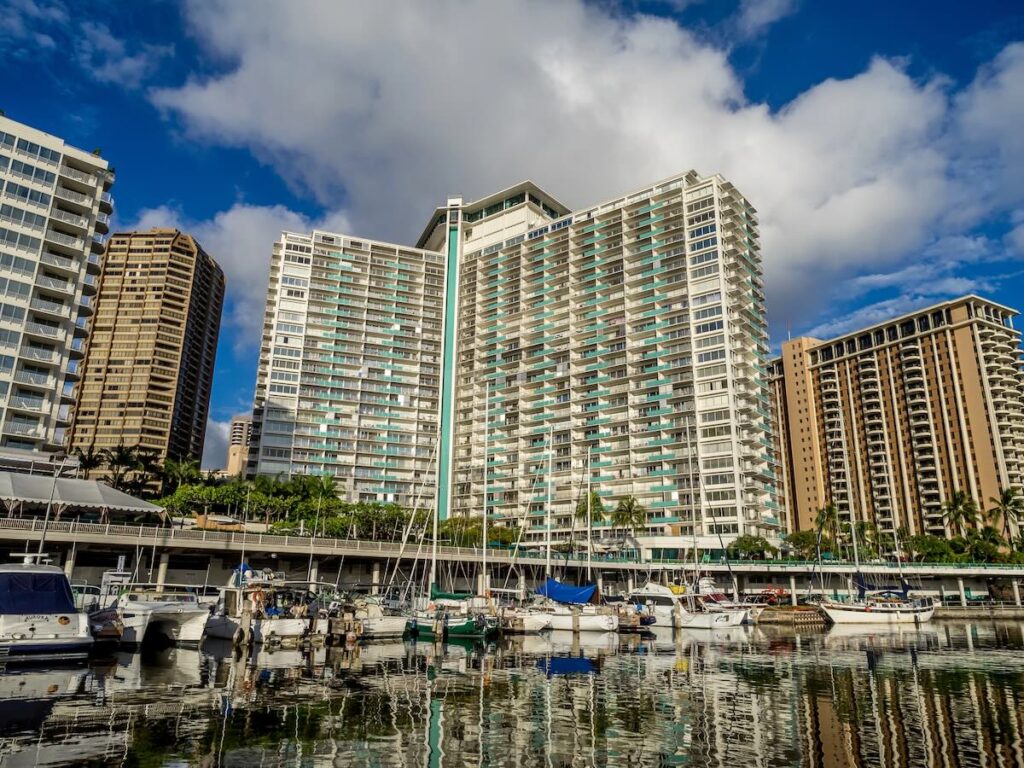
Oahu limits legal short-term rentals (under 90 days) to five designated resort zones: Waikiki, Ko Olina, Turtle Bay, Makaha, and Hoakalei.
If your rental is in one of these areas with a valid registration certificate, you’re good.
Outside resort zones? You’re looking at a 90-day minimum stay.
The only exception is if the property has a grandfathered NUC (Non-Conforming Use Certificate) issued before October 1986. And those NUCs have to be renewed every single year or they expire forever.
Honolulu streamlined its registration process in 2024, which is why registrations more than doubled from 680 properties in July 2024 to over 1,380 by late 2025.

They also increased enforcement. Fines run $1,000 to $10,000 per day for properties operating without registration.
Waikiki condos are still widely available and legal. Everything from budget studios to multi-bedroom units. Browse options on Booking.com or check out my complete Oahu travel guide for families.
Ko Olina area on the west side has legal vacation rentals in a beautiful resort setting. It’s quieter than Waikiki. Good for families who want a more relaxed vibe.
North Shore around Turtle Bay has some legal options, but inventory is smaller. Verify carefully here.
Always ask for the Transient Accommodations Tax (TAT) number and Certificate of Registration number. These should be displayed in the listing or provided immediately when you ask.
Maui
Maui is phasing out approximately 7,000 short-term vacation rentals in apartment-zoned residential areas. This is one of the most aggressive crackdowns in the nation.
They started with 2,200 properties in West Maui (areas that were zoned apartment, not resort).
Most were supposed to cease operations by July 2025. The remaining properties have deadlines extending through 2030.
Properties on something called the “Minatoya List” (condos built before 1992 that were historically allowed to operate as vacation rentals) are being converted to long-term housing.

But condos in resort areas like Wailea, Kihei, Ka’anapali, Kapalua, and Napili?
They’re operating normally. These are hotel-zoned areas, not residential areas. Hotels are completely unaffected by the new regulations.
Some permitted properties in specific zones can still operate, but you need documentation. Long-term rentals (30+ days) are generally allowed even in residential areas if you’re doing an extended stay.
Book resort-area condos through verified platforms like Booking.com or vrbo. I avoid Airbnb completely now (more on that later).
Consider hotels with kitchen amenities if you want cooking capability without rental uncertainty. Plan further ahead than you used to. Supply is tighter and prices are higher.
Search Maui resort hotels on Expedia for family-friendly options with pools and activities.
One important thing about West Maui: The Lahaina area is still recovering from the devastating 2023 wildfires.
Resorts in Ka’anapali, Kapalua, and Napili are operating normally, but please respect closure zones and support the community’s recovery. Some areas remain off-limits to visitors.
My Maui travel guide for families has detailed accommodation recommendations and current recovery information.
Kauai
Kauai restricts short-term rentals to designated Visitor Destination Areas (VDAs): Princeville on the North Shore, Poipu on the South Shore, and parts of the Kapaa coastal corridor on the East Side.

Outside these areas? Generally 30+ day minimum stays.
Poipu area (South Shore) has many legal vacation rentals and resort condos. It’s sunny, has great beaches for kids, plenty of family activities.
Princeville (North Shore) has options but tends to be pricier. The North Shore gets more rain, so it’s better for families who don’t mind occasional showers.
Always verify legality regardless of area. Even in VDAs, properties need proper permits.
My complete Kauai travel guide for families is here.
Big Island
The Big Island currently has the most lenient vacation rental regulations compared to other islands.
Vacation rentals are permitted in many areas, including both resort zones and some residential areas.
But all rentals must register by July 1, 2026. After that date, properties operating without registration face fines up to $10,000 per day.
Registration fees are $250 for hosted rentals (where the owner is present) and $500 for unhosted properties.
The Kona side has numerous legal vacation rentals in various price ranges. Everything from budget condos to luxury homes. The Hilo side also has options, though tourism infrastructure is less developed there.
Still verify TAT and GET (General Excise Tax) license numbers even though regulations are more flexible.
The Big Island is honestly your best bet if you specifically want a vacation rental experience. Search Big Island vacation rentals on Booking.com.
The Big Island’s size and lower population density means it has way more vacation rental availability than other islands. If having a rental with a full kitchen is essential for your family, seriously consider the Big Island.
More details in my Big Island travel guide for families.
What to Do If You’ve Already Booked a Hawaii Vacation Rental
Don’t panic if you’ve already booked. Most vacation rentals in resort areas are legal. But you should verify right now, not two weeks before your trip.
Email or message the property owner/manager and ask for their TAT (Transient Accommodations Tax) number, GET (General Excise Tax) license number, and Certificate of Registration or NUC (Non-Conforming Use Certificate).
A legitimate operator will provide this information immediately. They’re used to these requests.
Then verify those numbers at portal.ehawaii.gov using the tax license search. Enter the TAT and GET numbers to confirm they’re valid and match the property address.
Check whether the property is in a legal zone for short-term rentals. Honolulu has a STR eligibility map on their website. County websites for Maui, Kauai, and Big Island have searchable databases too.
If you booked through vrbo or Booking.com, check their protection policies. Both platforms have been removing illegal listings and offer refunds if properties get shut down.
I specifically avoid Airbnb for Hawaii rentals now. They’ve burned me too many times with last-minute cancellations and listings that turn out to be illegal.
Red Flags Your Rental Might Not Be Legal
- Owner refuses to provide TAT or GET numbers.
- Can’t provide any registration documentation.
- Owner asks you to tell people you’re “relatives” if anyone asks.
- Property is suspiciously cheap compared to similar rentals in the area.
- Recently listed property with no reviews or history.
- Owner says things like “the county hasn’t caught up with me yet” or “we’re working on getting our license.”
- Property is in a residential neighborhood, not a resort area.
If Your Rental Isn’t Legal
Contact the booking platform immediately. Don’t wait. The sooner you report it, the better your chances of getting a full refund and rebooking assistance.
Document everything. Screenshots of the listing, your communications with the owner, any red flags you noticed.
Request a full refund. Legal booking platforms will typically refund you if the property isn’t properly licensed.
Book alternative accommodation immediately. Don’t assume the situation will resolve itself. Find a legal hotel or resort condo in the same area. Search hotels on Expedia.
You can file a complaint with the county if you want. Report illegal operators. You’re helping protect other families from the same situation.
What NOT to do: Don’t assume it’s fine and go anyway. You could arrive to find the property locked or receive a notice from the county. Don’t wait until right before your trip to verify.
You need time to find alternatives. Don’t accept the owner’s assurances without documentation. “Trust me” is not verification.
My Personal Experience with Vacation Rental Problems
Okay, real talk. I’ve stayed in vacation rentals across Hawaii, and I’ve had some terrible experiences that hotels would never allow.
We rented a home on Maui one year. There was a wildfire (not the 2023 one) that shut down the road. We didn’t arrive at the condo until midnight.
At that point, we had a hard time connecting with the owner who was supposed to give us the keys.
I ended up sitting in the hallway with my sleeping toddler for 45 minutes while my husband sorted it out.
It was one of the most stressful moments of any Hawaii trip. A hotel would have had 24-hour front desk staff.
We also stayed at a condo in Waikiki that looked great online but felt dated and worn when we arrived.
Even worse, the owner tried to sneak extra charges onto our bill that we never agreed to.
Then there was the rental house on Kauai that promised bikes for our use. Great in theory. But the tires were flat, and we spent an hour with a bicycle pump trying to fill them up, only to have them slowly leak.
That same house had a front door that just didn’t lock sometimes. Stressful when you’re on vacation with kids and all your belongings.
I’m not saying all vacation rentals are like this. Some are fantastic. But the quality varies SO much in Hawaii that I don’t usually feel comfortable recommending them to families, especially first-time visitors.
Hotels have full-time employees who can help no matter what time of day. There’s accountability. If something breaks, they fix it immediately. You don’t spend your vacation dealing with flat bike tires or broken door locks.
How to Book a Legal Hawaii Vacation Rental in 2026
If you’re set on booking a vacation rental despite the uncertainty, here’s how to do it safely.
Use vrbo or Booking.com. Both platforms verify legal status and have better protection policies than Airbnb in my experience.
I personally will only use VRBO or Booking.com for Hawaii condos now. Airbnb has burned me too many times with last-minute cancellations and properties that weren’t what they claimed to be.
Work with established vacation rental management companies that operate locally in Hawaii. They’re more likely to be compliant and responsive.
Book directly through verified property managers if you can find them. They’ll provide documentation upfront.
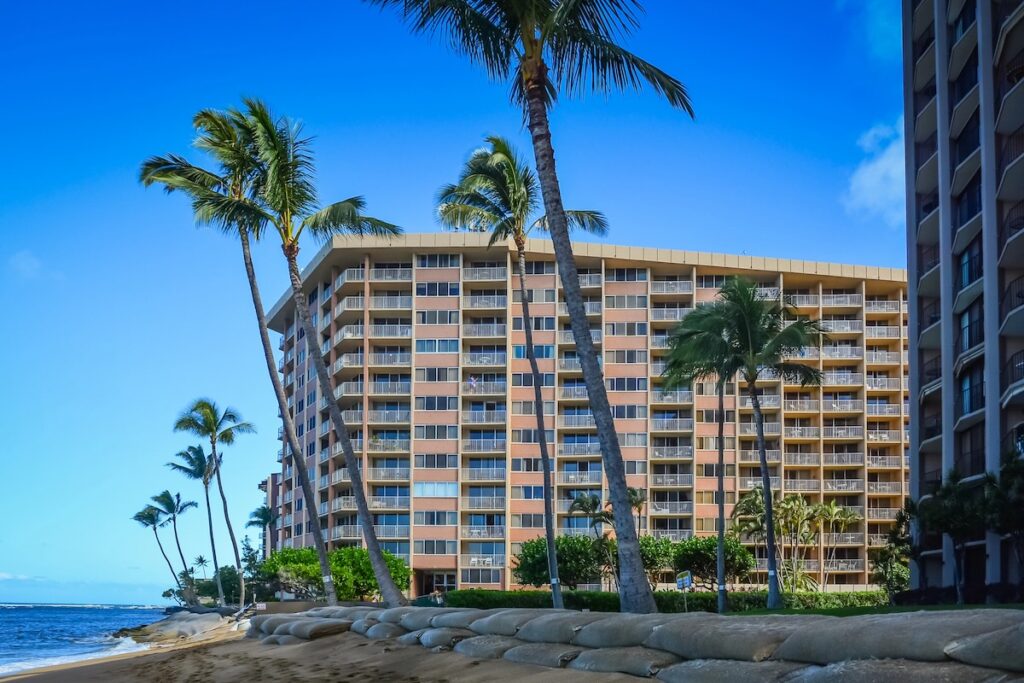
Consider condos in resort areas as the safest bet. These are much less likely to face regulatory issues.
Before you book anything, ask these questions:
- “What’s your TAT number?” (They should answer immediately.)
- “Can you provide proof of legal operation?” (Documentation should be easy to get.)
- “Is this property in a resort/hotel zone or residential area?”
- “Are you familiar with the county’s short-term rental regulations?”
- “What happens if county rules change before my stay?”
- “Who do I contact if there’s an emergency or issue at 2am?”
Book earlier than you used to. Supply is tighter on all islands now, especially Maui. Read cancellation policies carefully. Make sure you can cancel if the property loses its license.
Consider travel insurance that covers accommodation issues and regulatory changes. Get everything in writing. Verbal promises mean nothing if problems arise.
Safer Alternatives to Vacation Rentals
If verification and regulations feel stressful, here are alternatives that offer similar benefits without the uncertainty.
Resort condos are my top recommendation for families who want rental amenities without rental risks.
Many Hawaii resorts have condo-style units with full kitchens, washer/dryer, and multiple bedrooms. You get the space and cooking capability of a rental with the security and services of a resort.
Properties like the Waikiki Shore, Ko Olina Beach Villas, and Grand Wailea have condo-style accommodations that feel like vacation rentals but operate as hotels.
Hotels with suites and kitchen units are another option. Many hotel chains offer suites with kitchenettes or full kitchens.
Embassy Suites has two-room suites with mini-kitchens. Residence Inn locations have full kitchens. Homewood Suites offers kitchen units. Many Hawaii-specific hotels have kitchen options in certain room categories.
Search hotels with kitchens on Expedia.
You can still cook breakfast, pack lunch, and save money on meals. But you have daily housekeeping, a front desk, and resort amenities.
Condo-hotels are properties that operate as hotels (so they’re legally compliant and stable) but feel like condos with full kitchens, laundry in-unit, and more space.
Examples include properties in Waikiki, Wailea, and Poipu that are individually owned units but managed like hotels. Perfect for families who want both the space of a rental and the services of a hotel.
Should Your Family Choose a Vacation Rental or Hotel in 2026?
After 40+ trips to Hawaii and years of helping families plan trips, here’s my honest comparison.
| Factor | Vacation Rental | Resort/Hotel | Condo-Hotel |
|---|---|---|---|
| Kitchen Access | Full kitchen | Limited or none | Full kitchen |
| Space | Usually more space | Standard room size | Good space |
| Cost (family of 4, 7 nights) | $2,500-4,500* | $2,800-5,500+ | $3,000-5,000 |
| Amenities | Varies greatly | Pool, restaurants, kids activities | Pool, limited dining |
| Verification Needed | Yes, must confirm legal | No, hotels unaffected | No, legally compliant |
| Booking Confidence | Medium (verify first) | High | High |
| 24/7 Support | Depends on owner | Always available | Always available |
| Daily Housekeeping | Usually no | Yes | Usually yes |
| Best For | Large groups, long stays, budget-conscious families comfortable with verification | Convenience, first-timers, families wanting activities and services | Families wanting both space and hotel services |
*Pricing is approximate for mid-range properties in 2026 and varies by island and season. Does not include taxes, cleaning fees, or resort fees.
When Vacation Rentals Make Sense
You’re traveling with extended family or multiple families. A large house can accommodate everyone under one roof and cost less per person.
You’re staying 10+ days. The longer you stay, the more the cleaning fee gets spread out and the more value you get from having a kitchen.
Your kids have dietary restrictions that require cooking. Having a full kitchen lets you prepare safe meals.
You want a quieter, residential feel (and the property is legal in a resort area).
You’re comfortable with the verification process and potential hassles like coordinating keys or fixing things that break.
When Hotels Make More Sense
This is your first time to Hawaii. Eliminate stress and uncertainty by booking a hotel where everything is handled for you.
You want zero hassle or worry about legality, keys, or property issues.
Your kids will actually use resort amenities. If you’re paying for pools, kids clubs, and beach services, a resort makes sense.
You prefer restaurants over cooking. Many families find they don’t actually want to cook on vacation once they’re there.
You’re staying under 7 days. For shorter trips, the convenience of a hotel outweighs rental benefits.
What I Actually Tell Families
For families’ first trip to Hawaii or anyone staying less than a week, I recommend hotels or resort condos.
They eliminate stress and let you focus on enjoying Hawaii instead of worrying about whether your rental is legal or dealing with property issues at midnight.
For returning families doing longer stays (10+ days) or multi-generational trips with 8+ people, verified vacation rentals in resort areas can be worth the extra verification effort.
Just make absolutely sure you get that TAT number and documentation before paying anything.
But honestly? The current regulatory uncertainty makes me hesitant to recommend vacation rentals to most families.
Hotels have gotten much better at offering kitchen amenities and family-friendly spaces. And you don’t have to worry about your accommodation being shut down mid-trip.
I talk about this exact topic in detail on my podcast Hawaii Travel Made Easy Episode 38: Where to Stay in Hawaii: Resort vs Condo vs Hotel vs Vacation Rental Guide.
Give it a listen for even more guidance on making this decision.
What Are Hawaii Vacation Rentals Actually Costing in 2026?
Vacation rental prices have been affected by reduced supply, especially on Maui and Oahu. Here are real numbers.
Vacation Rentals (per night in 2026): Studio or 1-bedroom condo in resort area: $200-400 2-bedroom condo in resort area: $350-600 3-bedroom house (where legal): $500-900 Luxury villa or oceanfront home: $1,000-2,500+
Don’t forget these costs that often surprise families:
- Cleaning fees: $150-500 (one-time charge)
- Resort fees (some condos charge these): $25-50 per night
- Parking: $15-40 per night
- TAT and GET taxes: Now 18-19% on top of the nightly rate due to the new green fee
Hotels for Comparison (per night in 2026): Standard hotel room: $300-550 Hotel suite with kitchenette: $450-750 Resort with kids activities: $550-900+
Compare current prices on Expedia or Booking.com.
The Real Math
For a family of 4 staying 7 nights in a 2-bedroom accommodation:
Vacation Rental: $400/night x 7 nights = $2,800 Cleaning fee = $300 Parking = $25/night x 7 = $175 Subtotal: $3,275 Taxes (18%) = $590 Total: $3,865
Additional hidden costs: Grocery shopping time (2-3 hours of your vacation) Cooking and cleaning instead of relaxing No daily housekeeping Coordinate check-in/key pickup
Hotel Suite: $500/night x 7 nights = $3,500 Taxes (18%) = $630 Total: $4,130
But hotel includes: Daily housekeeping Pool and resort activities 24/7 front desk support No grocery shopping or cooking time Immediate response if anything breaks
The price difference is about $265 for the week. That’s roughly $40 per day to have all the hotel conveniences and zero stress about legality or midnight property issues.
For my family? The extra $40 a day is worth it for the peace of mind.
Hawaii Vacation Rental FAQs (2026)
Are vacation rentals illegal in Hawaii now?
No, vacation rentals are not illegal in Hawaii, but regulations vary significantly by island and zone. Many vacation rentals continue operating legally in designated resort areas with proper permits.
However, Maui is phasing out about 7,000 rentals in residential zones through 2030, and all islands have tightened enforcement.
The Big Island, Oahu, and Kauai still allow rentals in specific areas. Always verify a property’s legal status before booking by requesting TAT and GET license numbers.
How do I know if my Hawaii vacation rental is legal?
Request the property’s TAT (Transient Accommodations Tax) number and Certificate of Registration or NUC (Non-Conforming Use Certificate). Legal operators provide this documentation immediately.
Verify these numbers at portal.ehawaii.gov using the tax license search. Check if the property is in an approved zone using county STR maps.
Booking platforms like vrbo and Booking.com verify legal status, but always independently confirm. Red flags include refusal to provide documentation or properties in residential neighborhoods.
Which Hawaiian island has the most vacation rental availability?
The Big Island currently has the most flexible vacation rental regulations and greatest availability. Properties can operate in many areas beyond just resort zones, though all must register by July 1, 2026.
Kauai has moderate restrictions limited to Visitor Destination Areas. Oahu restricts rentals to five resort zones but has good availability in Waikiki and Ko Olina.
Maui has the strictest controls after phasing out thousands of residential rentals, though resort areas still have options.
What happens if my vacation rental gets shut down before my trip?
If you booked through vrbo, Booking.com, or another major platform, you’re typically protected with a full refund and rebooking assistance. Always purchase travel insurance that covers accommodation issues and regulatory changes.
Legal operators with proper permits are unlikely to face sudden shutdowns, which is why verification before booking is essential. Document all communications and immediately contact your booking platform if you learn of any issues. Never travel hoping the problem will resolve itself.
Should I avoid Hawaii vacation rentals completely?
Not necessarily, but proceed with caution and realistic expectations. Legal vacation rentals in resort areas remain viable options, especially for large families needing space and kitchens or stays of 10+ days.
However, if verification and potential property issues feel stressful, resort condos and hotels with kitchen units offer similar benefits with greater certainty and support.
Consider your comfort level with coordinating keys, potential last-minute issues, and accommodation uncertainty. First-time Hawaii visitors should probably choose hotels.
Are Hawaii hotel prices going up because of vacation rental restrictions?
Hotel prices have remained relatively stable in 2026, with modest 2-4% increases typical across most properties.
However, the new green fee increased taxes from 10.25% to 11% as of January 2026, making accommodations feel more expensive.
While reduced vacation rental supply on Maui and Oahu could eventually impact hotel demand, booking in advance and during shoulder seasons (April-May, September-November) still offers the best rates.
Hotel prices are primarily driven by seasonal demand rather than vacation rental regulations.
Can I still book a vacation rental for a month or longer?
Yes, long-term rentals (typically 30+ days) are generally allowed even in residential zones across all Hawaiian islands.
Many properties that can’t legally operate as short-term rentals still accept monthly bookings. This is an excellent option for remote workers, extended stays, or families doing a long Hawaii sabbatical.
Verify the 30-day minimum is continuous, not split across different properties. Monthly rates are usually significantly discounted compared to nightly rates and include different tax treatment.
The Bottom Line
Hawaii vacation rentals aren’t dead, but the landscape has fundamentally changed.
Each island has different rules. What’s legal on the Big Island might not be legal on Maui or Oahu. Verification is non-negotiable. Get that TAT number before you pay anything.
Resort condos and hotels eliminate uncertainty, which for most families is honestly the smarter choice in 2026.
Vacation rental quality varies dramatically in Hawaii. Even when legal, you might deal with issues that hotels would never allow.
Planning ahead is more important than ever. Supply is tighter, prices are higher, and booking through reputable sources protects you.
Don’t let the perfect Pinterest vacation rental photo pressure you into taking unnecessary risks.
Some of my best Hawaii trips have been in hotels where everything just worked. No midnight key coordination, no flat bike tires, no doors that won’t lock.
Yes, vacation rentals can save money if you cook every meal and have a large group.
But factor in your time, stress level, and the value of actually relaxing on vacation instead of playing house manager in an unfamiliar property.
For most families in 2026, I recommend hotels or resort condos. You’ll have a better vacation experience without spending half your trip worrying about whether your rental is legal or troubleshooting property issues.
But if you do book a vacation rental, get that documentation first.

Need Help Planning Your Hawaii Vacation?
Figuring out where to stay is just one piece of planning a Hawaii family vacation.
Which island, how many days, what activities work for your kids’ ages, how to budget without feeling like you’re missing out.
That’s why I offer personalized Hawaii travel consultations. We can talk through your specific family’s needs, budget, and travel style, then create a plan that actually works for you.
Whether you need help choosing between a vacation rental and hotel, building an itinerary, or just getting honest answers about what’s worth doing with kids.
I also have comprehensive, free travel guides for each island:
- Maui Travel Guide for Families
- Oahu Travel Guide for Families
- Kauai Travel Guide for Families
- Big Island Travel Guide for Families
- Hawaii Island Hopping Guide
Want to really prepare for your trip? Download my free 5-day email course on How to Travel to Hawaii Like a Pro.
It covers everything from booking flights to packing for kids to saving money once you’re there.
Hawaii is still one of the most amazing places on earth for a family vacation. Don’t let the vacation rental confusion stop you from going.
Just be smart about where you stay, verify everything, and focus on making memories with your family.
Aloha!
 | About the author: Marcie Cheung is a Hawaii travel consultant for families who has visited Hawaii more than 40 times. She is the founder of Hawaii Travel with Kids and host of the Hawaii Travel Made Easy podcast. She offers one-on-one Hawaii trip planning consultations and itinerary reviews for families, couples, and honeymooners. |