
Planning a trip to Hawaii and want to hit up some national parks? Find out the top national parks in Hawaii you’ll definitely want to check out! Scroll to see them all!
This national parks in Hawaii post was written by Hawaii travel expert Marcie Cheung and contains affiliate links which means if you purchase something from one of my affiliate links, I may earn a small commission that goes back into maintaining this blog.
If you’re planning a Hawaii vacation and skipping the national parks, you’re missing out on some of the most incredible experiences the islands have to offer.
I’ve been visiting these parks for over 20 years, and as a mom who’s watched her kids’ faces light up at seeing actual lava and experiencing sunrise above the clouds, I can tell you they’re worth prioritizing in your itinerary.
Hawaii has six national park units spread across the islands, but two of them are absolute must-dos if you’re traveling with kids: Haleakala National Park on Maui and Hawaii Volcanoes National Park on the Big Island.
Right now, Kilauea volcano is actively erupting with spectacular lava fountains, and I’ll tell you exactly how to see it.
I’m going to focus on what you actually need to know about visiting these parks in 2026, plus some insider tips I’ve learned from countless visits with my own family.
Hawaii Volcanoes National Park: Where Lava Meets the Sky
If there’s one national park experience that’ll make your kids remember Hawaii forever, it’s watching molten lava fountain into the sky at Hawaii Volcanoes National Park.
So what’s happening right now: Kilauea volcano started an incredible eruption cycle on December 23, 2024, and it’s been putting on quite a show. We’re talking lava fountains that have reached over 1,000 feet high.

The volcano erupts in episodes every week or two, and when it’s active, you can see the glow from multiple viewing areas in the park.
My kids absolutely love visiting this park. We make it a point to stay at Volcano House whenever we visit the Big Island so we have easy access to see the lava glow at night.
There’s something almost spiritual about standing there in the dark, watching the orange glow illuminate the crater. It’s worth every penny of the hotel rate.
How to See the Lava
The park is open 24 hours a day, which means you can visit during the day to explore and come back at night for the best lava viewing. Night viewing is when the glow really pops against the dark sky.
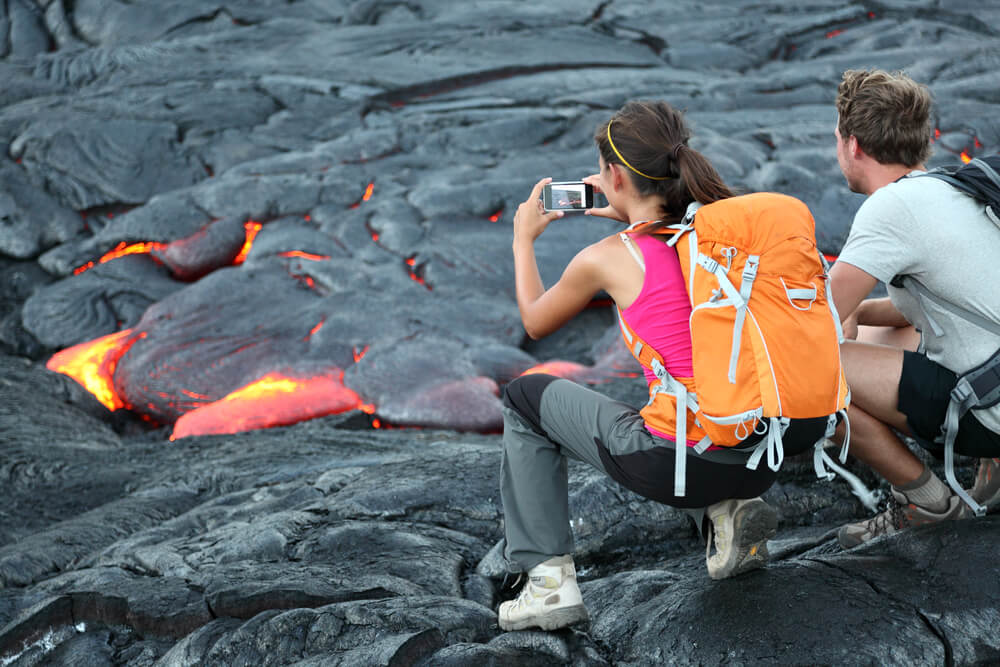
The best publicly accessible viewing spots are:
- Uēkahuna (formerly Jaggar Museum area) – closest overlook
- Keanakākoʻi Overlook – requires a short 0.5-mile hike but offers amazing views
- Volcano House – you can see the glow while having breakfast (seriously)
My pro tip that I share with everyone: the viewpoints get absolutely packed at sunset with everyone jostling for position.
But if you set your alarm and head to the park before sunrise? You’ll practically have the place to yourself, and the glow is just as spectacular in the pre-dawn darkness.
The eruption is episodic, meaning it turns on and off every few days or weeks.
Check the USGS Hawaiian Volcano Observatory website before you go to see current activity status. Even when it’s between episodes, you can often see some glow from the vents.
Beyond the Lava: What Else to Do
Even if the volcano isn’t actively erupting during your visit (though it likely will be), there’s so much to explore:
Crater Rim Drive takes you past multiple overlooks and volcanic features. You’ll see steam vents, ancient craters, and lush rainforest growing on old lava flows. The 11-mile loop is easy to drive with kids.
Chain of Craters Road descends 3,700 feet over 19 miles, ending where lava once crossed the road and flowed into the ocean. Stop at the Puʻuloa Petroglyphs for a short hike to see ancient Hawaiian rock carvings.
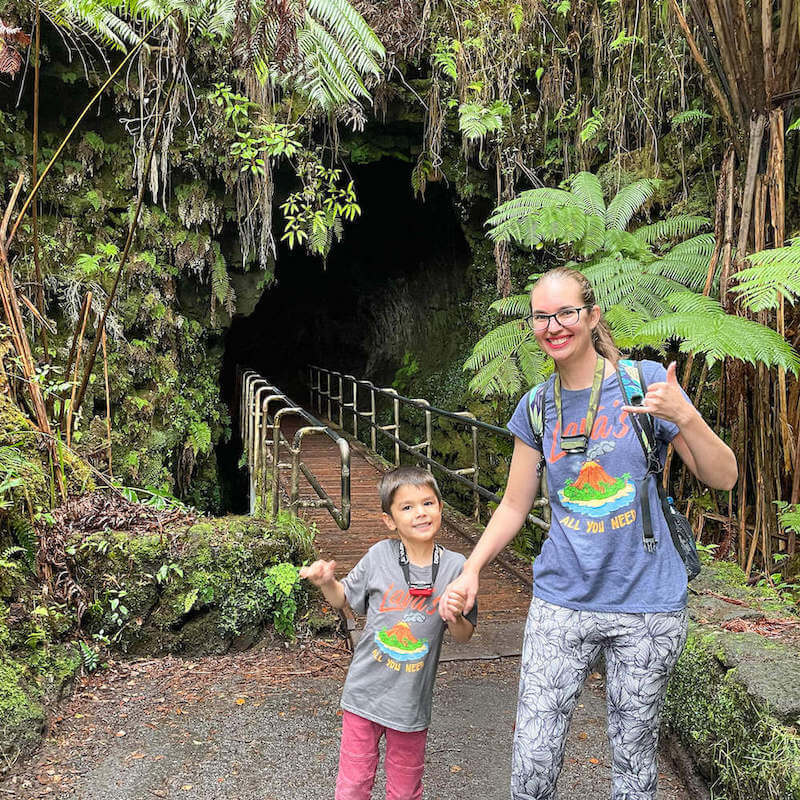
Nahuku Lava Tube is a quick walk through a massive tunnel formed by flowing lava. Kids think it’s the coolest thing ever.
Want to dig deeper into planning your visit? I cover everything you need to know in my podcast episode Planning Your Hawaii Volcanoes National Park Visit: Everything You Need to Know.
Practical Info for Hawaii Volcanoes
Cost: $30 per vehicle (valid for 7 days), or get the Hawaii Tri-Park Annual Pass for $55 which also covers Haleakala and Pu’uhonua o Honaunau. If you’re visiting multiple parks, the tri-park pass is the way to go.
Hours: Open 24/7, but Kīlauea Visitor Center is open 9am-5pm daily
Location: About 45 minutes from Hilo, 2.5 hours from Kona
Where to Stay: Find hotels near Hawaii Volcanoes National Park on Booking – I recommend staying in Volcano Village for easy park access, or splurge on Volcano House if you can.
Tours: If you’re not comfortable driving yourself or want expert narration, check out Hawaii Volcanoes tours on Viator or Get Your Guide.
For comprehensive Big Island planning beyond the parks, grab my Big Island Travel Guide for Families.
Haleakala National Park: Sunrise Above the Clouds
I’m going to be honest with you. Waking up at 2am on vacation to drive up a mountain sounds terrible, right?
But sunrise at Haleakala is one of those experiences that’s so surreal, so otherworldly, that it feels almost religious. I’m not even exaggerating.
Standing at 10,023 feet above sea level, watching the sun break over a sea of clouds while the massive crater spreads out below you… it’s absolutely worth the early wake-up call.
Just make sure you’re wearing enough layers because it gets COLD up there. Like, really cold. I’m talking 30-40 degrees before sunrise.
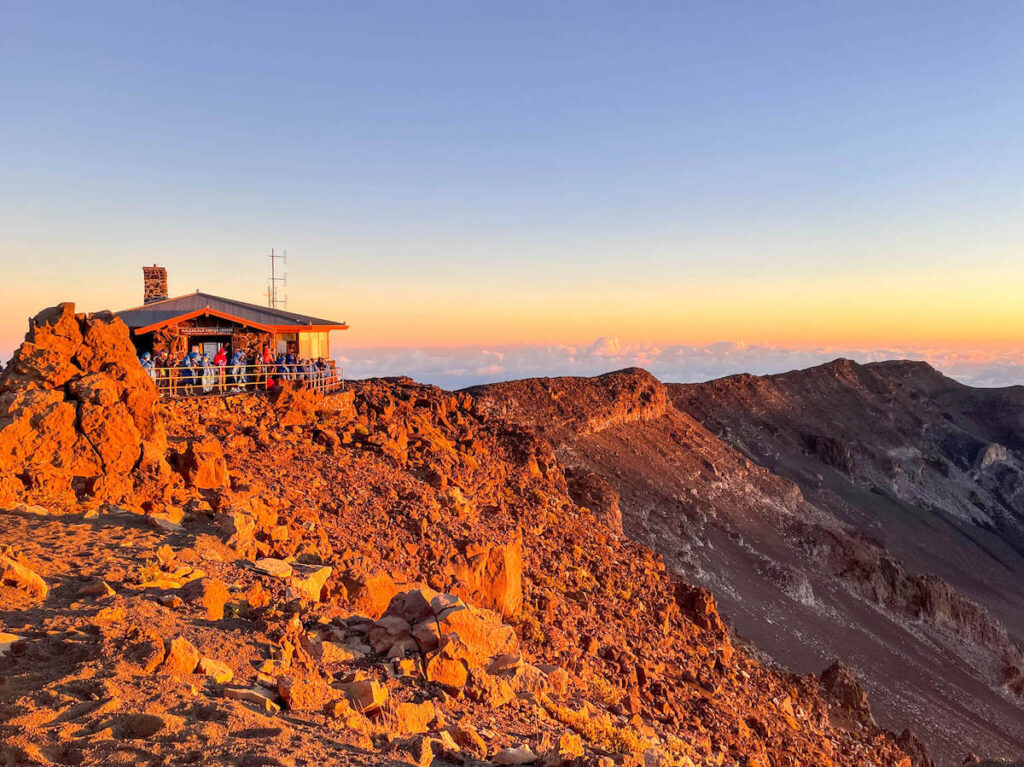
The Sunrise Reservation System (Read This Carefully!)
What trips people up: you can’t just show up for sunrise anymore. You need two things:
- A sunrise reservation ($1 per vehicle) if you’re entering between 3am-7am
- Park entrance fee ($30 per vehicle for 7 days, or the $55 Tri-Park Pass)
Sunrise reservations can be booked up to 60 days in advance on Recreation.gov, and they release at 7am Hawaii time. Popular dates sell out fast, so set a reminder on your phone for exactly 60 days before your planned visit.
Some people ask me if sunrise is worth all the hassle. My answer? Absolutely.
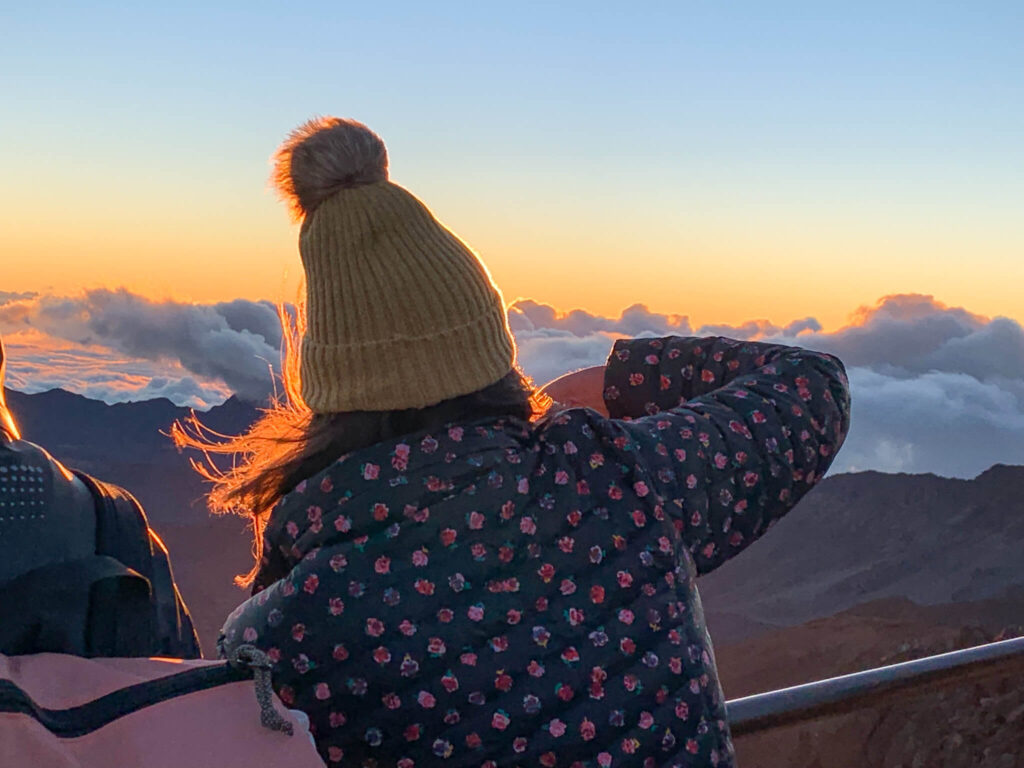
But if you can’t snag a reservation or don’t want to wake up that early, sunset at Haleakala is also spectacular and doesn’t require a reservation (as long as you enter before 7am or after 3am-7am window).
I break down the entire sunrise experience, what to wear, and insider tips in my podcast episode How to Visit Haleakalā Crater on Maui.
After Sunrise: The Crater and Beyond
Don’t just see sunrise and leave. The crater itself is fascinating to explore.
You can hike down into it on trails like Sliding Sands (my kids love the name) or explore the otherworldly landscape that honestly looks like you’re on Mars.
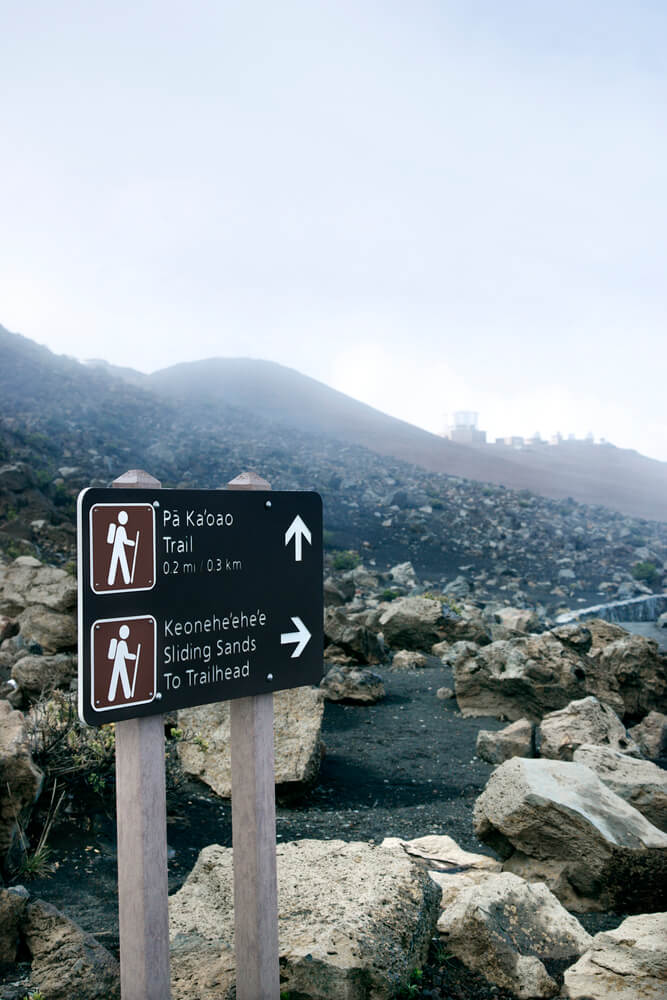
The park also has a completely separate coastal section called Kipahulu, which is accessed via the Road to Hana.
This section features the amazing Pipiwai Trail with waterfalls and a bamboo forest. No reservation needed for this area.
Practical Info for Haleakala
Cost: $30 per vehicle (7 days) PLUS $1 sunrise reservation if visiting 3am-7am
Reservations: Book at Recreation.gov up to 60 days in advance
What to Bring: Warm layers (jacket, long pants, closed-toe shoes), blanket, hot coffee
Altitude: The summit is over 10,000 feet. If you have altitude sensitivity, take it easy.
Where to Stay: Book Maui hotels on Expedia – I recommend staying in Kihei or Wailea to minimize your drive time.
Tours: Prefer someone else to handle the driving? Check out Haleakala sunrise tours on Viator that include hotel pickup.
Want more Maui planning help? My Maui Travel Guide for Families covers everything from where to stay to the best kid-friendly activities.
The Other National Parks Worth Knowing About
While Haleakala and Volcanoes are the showstoppers for families, Hawaii has several other national park units that are worth visiting if you have time. They’re all on the Big Island.
Pu’uhonua o Honaunau National Historical Park (Place of Refuge)
This sacred site on the Big Island’s Kona coast is where ancient Hawaiians who broke kapu (sacred laws) could seek refuge and absolution.
It’s a beautiful coastal park with massive stone walls, carved wooden ki’i (statues), and incredible cultural significance.
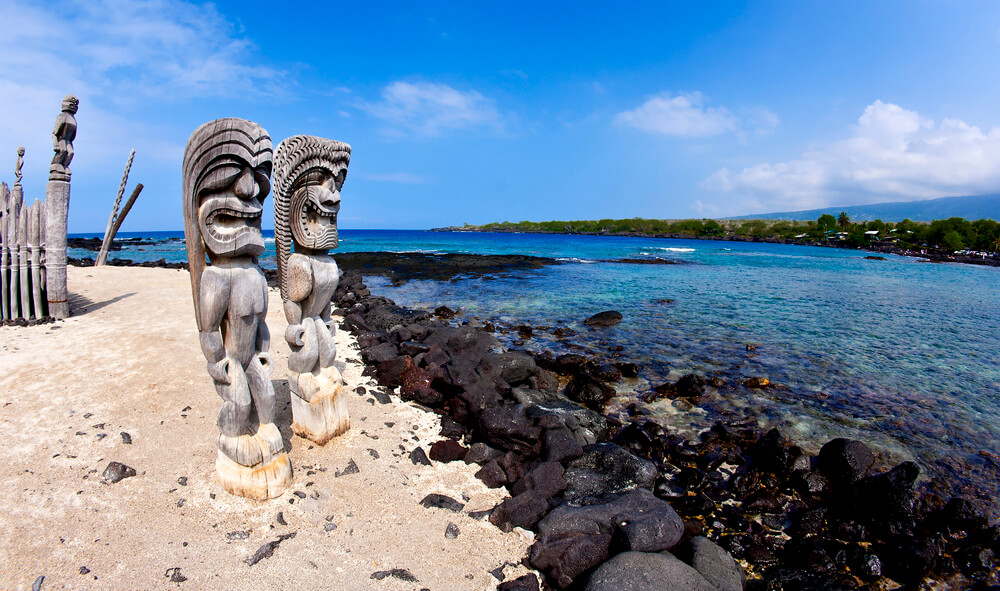
The park is relatively small and easy to explore with kids. Rangers give excellent interpretive talks throughout the day.
Plus, the snorkeling at Two Step just outside the park is phenomenal if you want to extend your visit.
Cost: $20 per vehicle (or use your Tri-Park Pass)
Best for: Families interested in Hawaiian culture and history
Kaloko-Honokohau National Historical Park
This park near Kona preserves ancient Hawaiian settlements, fishponds, and hundreds of petroglyphs carved into lava rock.
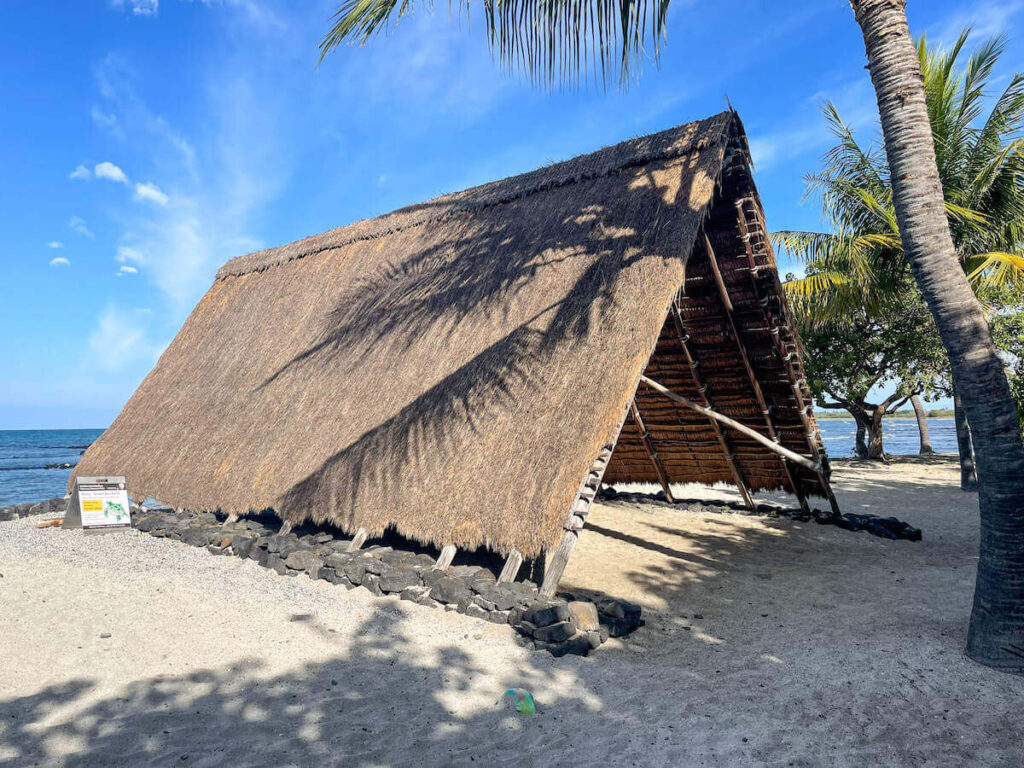
You’ll likely spot green sea turtles (honu) at the beach. It’s less crowded than other parks and offers a peaceful look at traditional Hawaiian coastal life.
Cost: FREE
Best for: Quiet exploration, tide pool discoveries
Pu’ukohola Heiau National Historic Site
This impressive temple complex was built by King Kamehameha I in 1790-91.
The massive stone heiau sits on a hill overlooking the ocean, and the interpretive trail provides fascinating historical context.
Cost: FREE
Best for: History buffs, short visits (you can see it in 30-45 minutes)
Don’t Forget Hawaii’s State Parks
While we’re talking about parks, I should mention that Hawaii’s state park system is also incredible. Each island has its own collection of beaches, hiking trails, and scenic lookouts.
Starting in January 2026, some popular state parks are implementing entrance fees ($5 per person over age 3, $10 per vehicle for non-residents).
Parks like Wailua River State Park on Kauai and Wailuku River State Park (home to Rainbow Falls) on the Big Island will require fees.
I cover the best state parks for each island in detail:
- Best Big Island state parks and beaches
- Top Kauai hiking and waterfalls
- Oahu’s must-see spots including Diamond Head
- Maui’s state parks and Road to Hana stops
Money-Saving Tips for Hawaii National Parks
As a professional tourist who’s been visiting Hawaii for decades, here are my top tips for saving money:
Get the Tri-Park Pass if you’re visiting multiple parks. At $55, it pays for itself if you visit more than one park, plus it’s valid for a year.
Pack your own food and water. Park concessions are limited and expensive. We always bring a cooler with snacks, lunch, and plenty of water.
Rent gear on Amazon before you go. Need binoculars for wildlife viewing or a headlamp for pre-dawn hikes? Order on Amazon and have it delivered to your hotel.
Book accommodation early. Hotels near the parks fill up fast. I use Discount Hawaii Car Rental for the best car rates and Expedia for bundling hotels and flights.
Consider a consultation. If you’re feeling overwhelmed planning your Hawaii trip, I offer personalized Hawaii travel consultations where I help you create a custom itinerary that hits all your must-dos without the stress.

Free Resources to Help You Plan
Before you book anything, I recommend checking out my free email courses:
And if you’re planning a specific island:
- How to Plan a Trip to Maui
- How to Plan a Trip to the Big Island
- How to Plan a Trip to Oahu
- How to Plan a Trip to Kauai
Ready to Experience Hawaii’s National Parks?
I know planning a Hawaii vacation can feel overwhelming, especially when you’re trying to figure out which islands to visit, where to stay, and how to fit everything in.
That’s exactly why I’ve made it my mission as a certified Hawaii Destination Specialist to help families like yours create incredible Hawaii memories without the planning headaches.
Whether you’re watching lava glow in the darkness, standing above the clouds at sunrise, or exploring ancient Hawaiian sacred sites, these national parks offer experiences your family will remember forever.
They’re also some of the best values in Hawaii tourism. Where else can you see an active volcano for $30?
The key is just knowing which parks to prioritize for your family (Volcanoes and Haleakala if you have kids), booking your sunrise reservations early, and planning your days around the parks instead of trying to squeeze them in as afterthoughts.
As someone who’s been visiting Hawaii since I was 10 years old and has now taken my own kids dozens of times, these national parks are where the magic really happens.
Go see that lava. Watch that sunrise. Your future self will thank you.
Looking for more Hawaii travel tips? I host the Hawaii Travel Made Easy podcast where I share insider advice for planning the perfect Hawaii vacation. And if you want someone to handle the heavy lifting, my Hawaii travel consultation services provide personalized itineraries tailored to your family’s needs.
 | About the author: Marcie Cheung is a Hawaii travel consultant for families who has visited Hawaii more than 40 times. She is the founder of Hawaii Travel with Kids and host of the Hawaii Travel Made Easy podcast. She offers one-on-one Hawaii trip planning consultations and itinerary reviews for families, couples, and honeymooners. |