For my upcoming Hawaii trip, I debated a LOT about which island or islands to visit.
When you’re planning a Hawaii trip with kids, figuring out which island fits your budget can feel overwhelming.
I get asked this constantly as a Hawaii vacation planning expert, and honestly, the answer isn’t simple. But it’s also not as complicated as most comparison articles make it sound.
After 40+ visits to Hawaii and helping thousands of families plan their trips, I can tell you exactly which island will save you money and which ones will drain your wallet faster than you expect.
More importantly, I’ll help you avoid Hawaii travel mistakes that cost families thousands in unnecessary expenses.
Why Your Island Choice Actually Matters for Your Budget
When you’re planning with kids, your island choice affects basically every major cost. Hotel prices, whether you need a rental car, food options, free activities versus paid tours.
Get your island choice wrong and you’ll blow your budget before you even realize what happened.
Get it right and you’ll have money left over for the good stuff.
I always tell families to listen to episode 3 of my Hawaii Travel Made Easy podcast about choosing the right island before they book anything.
It walks through all of this in detail and has helped so many people avoid expensive mistakes.
Oahu: The Best Overall Value (Especially If You’re On a Tight Budget)
Let me just say it upfront. Oahu is the most affordable Hawaiian island for families in 2026, hands down.
Hotel prices on Oahu are significantly lower than the other islands. You’re looking at an average of $260-320 per night on Oahu compared to Maui’s $500-680.
That’s roughly half to 60% of what you’d pay on Maui. For a week, that difference adds up to thousands of dollars.
But it’s not just hotels. Oahu has way more budget dining options than any other island.
Food trucks, plate lunch places, casual spots where you can feed a family for under $50. Good luck finding that on Maui or Kauai.
And here’s something most people don’t think about when budgeting: you can actually skip the rental car on Oahu if you’re staying in or near Waikiki. TheBus is reliable and cheap. Rideshares are easy.
You won’t save this kind of money on transportation costs anywhere else in Hawaii.
This is the kind of practical Hawaii travel advice that makes a real difference in your final costs.
Oahu also has tons of incredible free activities. Beaches obviously, but also hiking trails, historic sites like Pearl Harbor (the USS Arizona Memorial is free with a timed ticket), cultural experiences, parks.
Families who love variety without constant paid activities do really well here.
Who should pick Oahu?
Families who want classic Hawaii experiences without breaking the bank.
Parents who like having tons of restaurant options at different price points.
Anyone who wants the flexibility to do both touristy stuff and local experiences.
Families with big kids who might appreciate some city energy mixed with beach time.
Check out my Oahu Travel Guide for Families for detailed neighborhood breakdowns and budget strategies, or grab my free 7-day email course on planning an Oahu trip.
Big Island: Often the Cheapest Hotels (But You’ll Need That Rental Car)
The Big Island comes in second for overall affordability, and sometimes it actually beats Oahu on hotel costs.
I’ve found hotel and condo rates here that are genuinely cheap compared to Maui and Kauai. Sometimes even cheaper than comparable properties on Oahu.
The island is so big and spread out that there’s less competition for beachfront, which helps keep some prices down.
As a Hawaii island comparison expert who tracks rates constantly, I can tell you this advantage is consistent.
But here’s the catch. You absolutely need a rental car on the Big Island. There’s no getting around it. The island is huge, everything is far apart, and there’s basically no public transportation that works for tourists.
So yes, you save on your hotel. But then you’re paying for gas (expensive in Hawaii), longer drives (which means more gas), and parking fees at your hotel. This balances out some of the lodging savings.
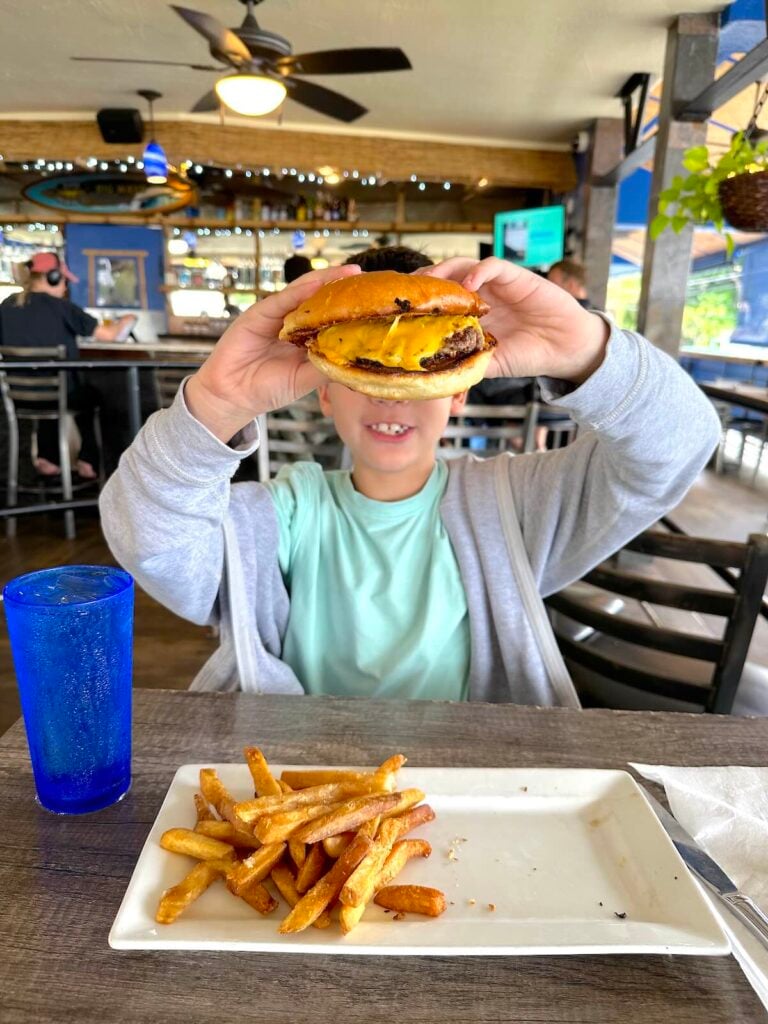
The Big Island also has fewer budget dining clusters than Oahu. You’ll find affordable options in Kona and Hilo, but if you’re staying on the Kohala Coast or anywhere remote, plan on either cooking a lot or paying resort prices.
Setting realistic Hawaii travel expectations about dining costs here is important.
That said, the Big Island has some of the best free activities in all of Hawaii. Volcanoes National Park, black sand beaches, tide pools, scenic drives, stargazing.
Families who don’t mind driving and who value unique natural experiences over convenience do amazing here.
Who should pick the Big Island?
Families who want volcanoes, astronomy, and dramatic natural contrasts.
Parents who don’t mind longer drives if it means seeing incredible stuff.
Travelers who want less crowded beaches and are okay with more spread-out experiences.
Families with kids who are good in the car.
When it comes to choosing the right Hawaiian island for nature lovers on a budget, Big Island often wins.
My Big Island Travel Guide for Families goes deep on where to stay for different budgets, and my free 7-day email course on planning a Big Island trip walks you through the whole planning process.
For more specific comparisons, check out Big Island vs Kauai or Maui vs Big Island.
Maui: More Expensive Across the Board (But Worth It for Some Families)
Okay, let’s talk about Maui because this is where a lot of families get sticker shock.
Maui is expensive. Like genuinely expensive compared to the other islands.
Hotel rates average around $500-680 per night depending on the property type and location. Budget hotels might start around $320, but mid-range to upscale properties easily hit $500-700+.
Some Wailea resorts start at $600+ per night before you even add resort fees, parking, and taxes. For a week, you’re easily looking at $3,500-5,000+ just for lodging.

Maui also tends to have higher restaurant prices, especially in the resort areas. A casual family dinner that might cost $80 on Oahu or the Big Island can easily hit $120-150 on Maui.
You need a rental car here too. No way around it.
So why do people still choose Maui despite the cost?
Because the beaches are spectacular. The ocean activities are amazing. The Road to Hana is bucket list worthy. For families who prioritize beach quality and ocean experiences over budget, Maui delivers.
But I’ll be honest with you. Unless you have specific Maui experiences that are non-negotiable (whale watching from your hotel room, snorkeling at Molokini, that perfect Wailea beach), you can have an equally amazing Hawaii trip on Oahu or the Big Island for significantly less money.
Who should pick Maui?
Families who’ve saved specifically for a Maui trip and have the budget for it.
Parents who prioritize spectacular beaches and are comfortable spending more for ocean activities.
Travelers who are planning significant paid excursions anyway.
Families willing to cook most meals to offset higher lodging costs.
My Maui Travel Guide for Families includes strategies for doing Maui on different budgets, and my free 7-day email course on planning a Maui trip helps you figure out if Maui fits your budget.
Also check out Maui on the cheap for specific money-saving strategies.
Kauai: Beautiful But Costs Match Maui
Kauai feels like it should be cheaper because it’s smaller and less developed. But in 2026, lodging and activity costs are actually closer to Maui than Oahu.
Hotel rates average around $370-490 per night. Not quite Maui level but definitely higher than Oahu or the Big Island.
The challenge with Kauai is that there are fewer budget hotel options. Less competition means less pressure on prices.

You’ll find some affordable condos, but they tend to be priced based on location and quality rather than competitive pricing.
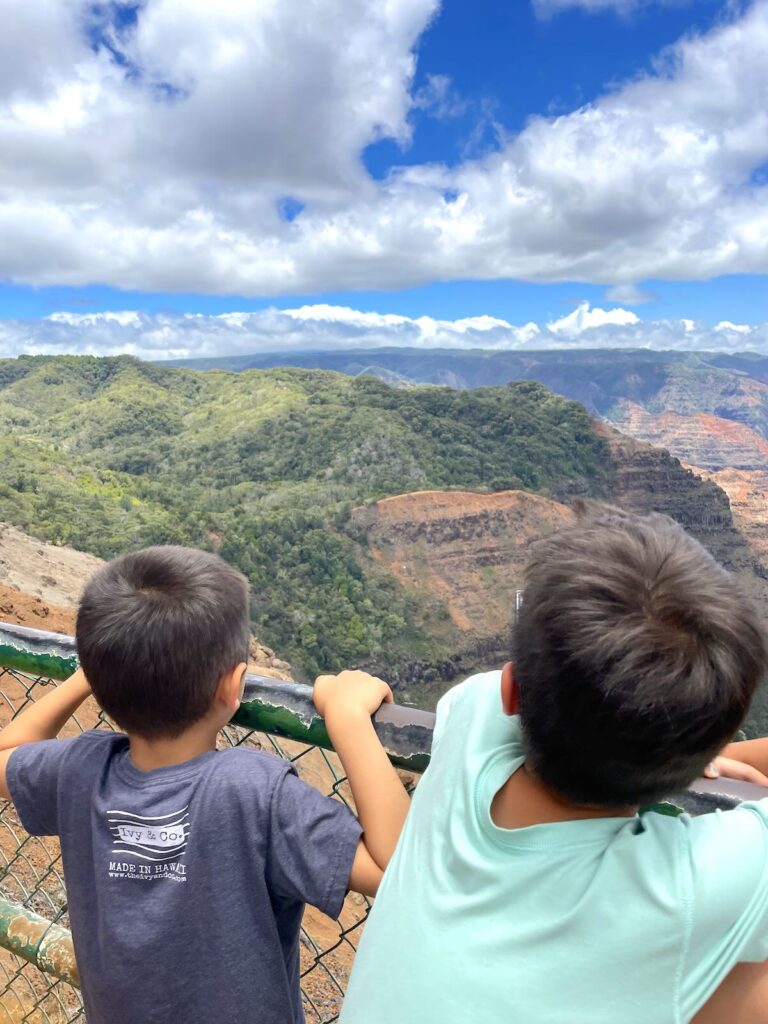
You absolutely need a rental car on Kauai. The island is small but everything is still spread out, and getting to places like the North Shore or Waimea Canyon requires driving.
Kauai has fewer budget dining clusters than the other islands. Outside of Lihue and Kapaa, your options get limited fast. Plan on grocery shopping and cooking a decent amount if you’re watching your budget.
But here’s what Kauai does better than anywhere else. Hiking. Waterfalls. Nature immersion. The Na Pali Coast. Waimea Canyon.
If your family loves outdoor adventures that don’t require paid tours, Kauai is incredible.
Who should pick Kauai?
Families who love hiking and nature over beaches and pools.
Parents who prefer quieter experiences and don’t mind fewer restaurant options.
Travelers who value dramatic scenery and are okay spending more for a less crowded vibe.
Families who want to unplug and really be in nature.
My Kauai Travel Guide for Families covers all the best family hiking spots and budget strategies, and my free 7-day email course on planning a Kauai trip walks you through everything.
Also helpful: Kauai vs Maui comparison and things to do on Kauai on a budget.
The Real Cost Drivers You Need to Consider
Beyond just island choice, here are the things that actually affect your budget most:
Your lodging choice matters more than which island you pick. A budget hotel on Maui might cost less than a luxury resort on Oahu.
But in general, Oahu and the Big Island give you more affordable options across all hotel categories.
Rental car necessity is huge. Oahu lets you skip this cost if you stay in Waikiki. Every other island requires a car, and that’s $600-1,200 for the week plus gas and parking.
How you eat changes everything. Families who grocery shop and cook breakfast and lunch can stay on budget anywhere.
Families who eat out three meals a day will blow through money fast, especially on Maui and Kauai where restaurant prices are higher.
Free versus paid activities makes a massive difference.
Oahu and the Big Island have tons of incredible free experiences. Maui and Kauai have them too, but families often feel more pressure to do paid tours because that’s what everyone talks about.
Starting in 2026, all islands have the new Green Fee that increased lodging taxes from 10.25% to 11%.
Combined with county taxes and general excise tax, you’re paying nearly 19% in total taxes on your room rate across all islands.

How to Actually Decide Which Island Fits Your Family
Stop trying to pick the “best” island. There isn’t one.
Instead, ask yourself these questions:
Is cost your absolute top priority? Pick Oahu. Sometimes the Big Island if you find a great hotel deal and don’t mind driving.
Do you have specific non-negotiable experiences? If you must do the Road to Hana, you’re going to Maui. If you must see active lava, you’re going to the Big Island. Pick the island that has your must-dos.
What’s your family’s travel style? If you want lots of restaurant variety and don’t want to drive everywhere, Oahu wins. If you love road trips and unique natural sites, Big Island or Kauai. If you want the best beaches and are willing to pay for it, Maui.
How old are your kids? Toddlers who need pools and easy beach access might do better on Oahu or Maui. Big kids who love adventure and can handle longer car rides might love the Big Island or Kauai.
Do you want one island or multiple islands? If you’re thinking about island hopping, listen to my podcast episode on island hopping before you decide.
Sometimes staying on one island saves more money than you’d expect.
For more help with this decision, check out how to find the best island in Hawaii for kids.
I share a detailed comparison of which Hawaii island is best for families in this episode.
Your Next Steps
If you’re still feeling overwhelmed about which island to pick, start with my Hawaii Travel Made Easy podcast episode on choosing islands. I walk through all of this in way more detail.
Once you’ve narrowed it down to one or two islands, grab the relevant travel guide.
Each one includes detailed cost breakdowns, neighborhood comparisons, and strategies for stretching your budget on that specific island.
And if you want personalized help, I offer one-on-one Hawaii travel consultations where we figure out which island actually makes sense for YOUR family’s budget, priorities, and travel style.

The truth is, you can have an amazing Hawaii trip on any island if you plan it right. But choosing the island that fits your budget from the start makes everything else so much easier.
Oahu and the Big Island give you the most bang for your buck. Maui and Kauai cost more but deliver specific experiences you can’t get elsewhere.
Figure out what matters most to your family, budget accordingly, and you’ll end up with a trip you actually enjoy instead of one you stress about paying off.
 | About the author: Marcie Cheung is a Hawaii travel consultant for families who has visited Hawaii more than 40 times. She is the founder of Hawaii Travel with Kids and host of the Hawaii Travel Made Easy podcast. She offers one-on-one Hawaii trip planning consultations and itinerary reviews for families, couples, and honeymooners. |