Are you planning a trip to Kauai and want to know some fun facts about Kauai? Keep scrolling to find out interesting facts about Kauai that will surprise you!
This list of fun facts about Kauai Hawaii was written by Hawaii travel expert Marcie Cheung and may contain affiliate links, which means if you click on the link and purchase the item, I will receive an affiliate commission at no extra cost to you. All opinions remain my own.
So you think you know Kauai?
I’ve been visiting since I was 10 years old (that’s over 40 visits now!), and I’m still discovering quirky facts about the Garden Island that blow my mind.
My grandma lived part-time on Kauai, and even she didn’t know some of these until I started really digging into the island’s history as a professional tourist.
Whether you’re planning your first trip or you’re a repeat visitor, these insider facts will make you appreciate Kauai even more. Trust me on this.
The Hollywood Connection is Insane
OK, can we talk about how Kauai is basically Hollywood’s favorite Hawaiian island?
Over 80 major films have been shot here, and honestly, once you visit, you’ll understand why.
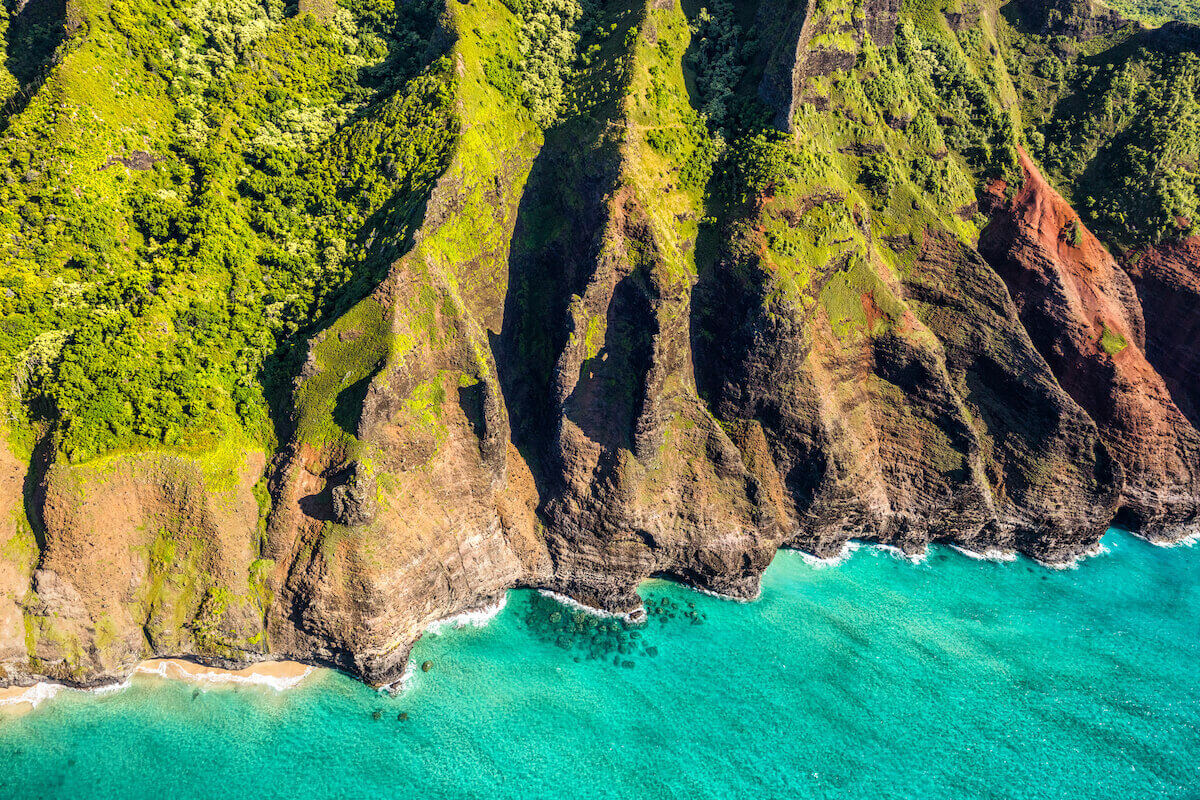
The Na Pali Coast stood in for “Isla Nublar” in Jurassic Park (and yes, all the sequels too).
Those dramatic cliffs you see when the helicopters are approaching the island? That’s all Kauai.
Steven Spielberg was actually here during Hurricane Iniki in 1992 finishing up the first film. More on that hurricane later because it changed Kauai forever.
The list of movies filmed here is wild. Indiana Jones swung through the “Peruvian jungle” (actually Kipu Ranch and the Huleia River).
King Kong stomped through Kalalau Valley. Pirates of the Caribbean filmed at Allerton Garden and Waikapala’e Caves.
Even Lilo & Stitch’s animation team drew inspiration from Hanapepe town and Kilauea Lighthouse.
Want the full Hollywood experience? You can actually visit these filming locations yourself.
Book a helicopter tour on Viator to see the Na Pali Coast from the air, or grab a rental car to explore spots like Allerton Garden and Kipu Ranch on your own schedule.
If you’re overwhelmed trying to figure out which movie locations to prioritize during your trip, I can help you create a personalized itinerary that hits all the spots you actually care about seeing.
No Building Taller Than a Coconut Palm
Here’s my favorite Kauai building code fact: nothing can be built taller than a coconut palm tree, which works out to about four stories or 40 feet.
This law came about because of the Kauai Surf (now part of the Marriott) back in the day. Locals looked at that high-rise and basically said “nope, never again.”
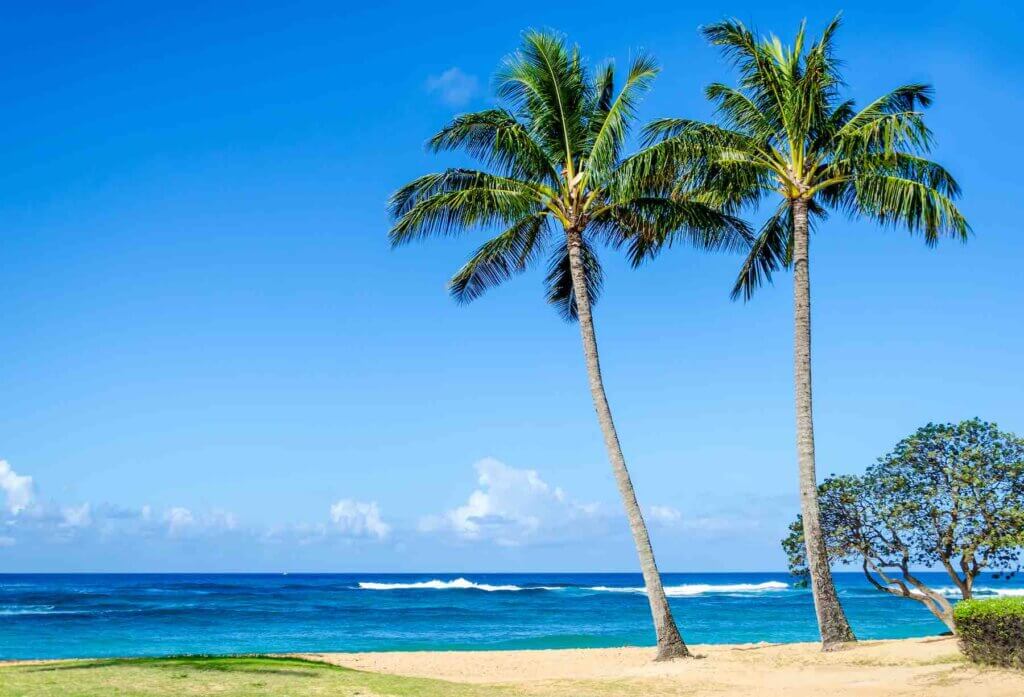
They didn’t want Kauai turning into Waikiki, and I respect that so much.
So when you’re driving around and notice that even the fanciest resorts feel small and tucked into the landscape? That’s intentional.
The whole island has this low-key vibe that you just don’t find on Oahu. It’s one of the things that makes Kauai feel like an actual escape.
The Wettest Spot on Earth (Well, Almost)
Mt. Waialeale gets an average of 450 inches of rain every year. To put that in perspective, Seattle gets about 37 inches annually, and we think we’re rainy.
Some years are even more extreme. In 1982, Waialeale got 683 inches of rain. In 2018? A staggering 519 inches. The mountain’s summit is basically perpetually shrouded in mist and clouds.
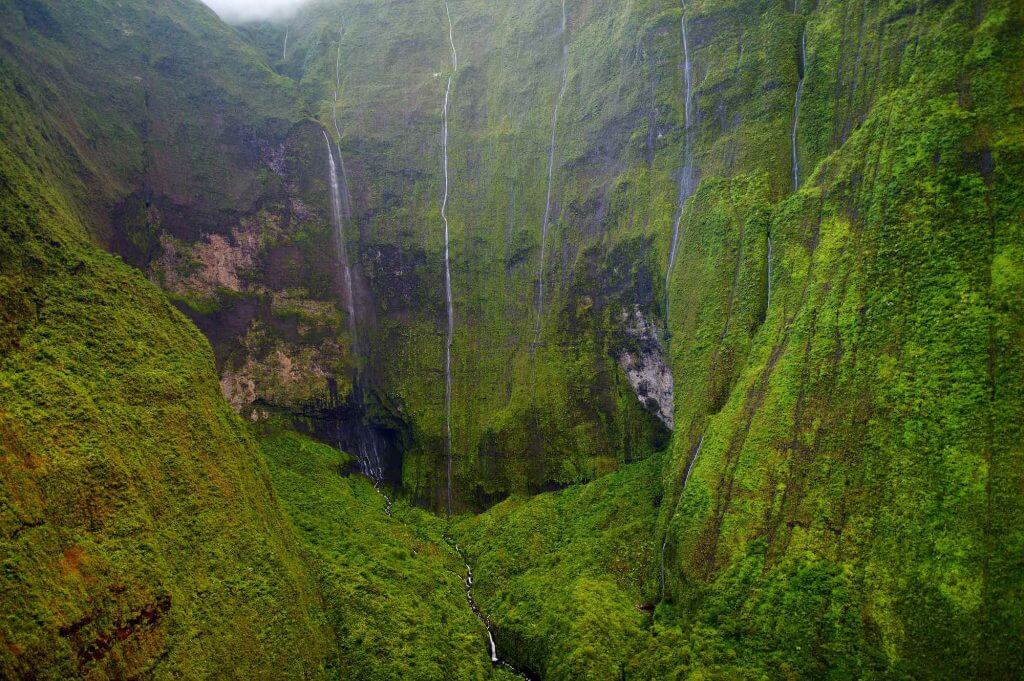
Technically, there are a couple spots in India that might get more rain depending on which year you’re measuring, but Waialeale is definitely one of the wettest places on the planet.
The good news? All that rain stays mostly on the mountain. Down at the beaches where you’ll actually be spending your time, it’s much, much drier.
The rain creates this incredible phenomenon called the “Weeping Wall” where hundreds of thin waterfalls cascade down the mountain’s cliffs.
You can’t hike to it (the terrain is basically impossible), but helicopter tours fly right past it and it’s absolutely surreal to see in person.
Waimea Canyon Isn’t Actually “The Grand Canyon of the Pacific”
OK hear me out. Everyone calls Waimea Canyon “The Grand Canyon of the Pacific” but it’s nowhere near the same size as the actual Grand Canyon.
Here’s the reality: Waimea Canyon is about 14 miles long, one mile wide, and 3,600 feet deep. The actual Grand Canyon? 277 miles long, up to 18 miles wide, and over a mile deep.
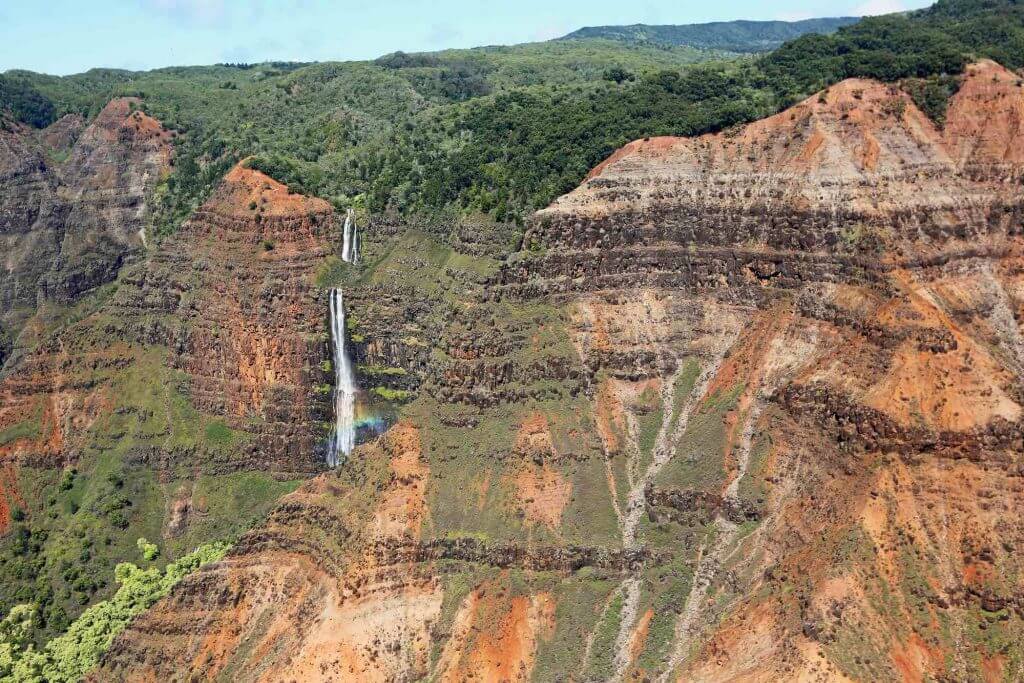
But you know what? Waimea Canyon is still absolutely stunning. The red and brown soil creates these incredible layers of color that you don’t see in Arizona.
Plus, it’s the only major canyon in all of Hawaii and the largest in the Pacific, so it’s definitely worth the drive.
The name “Waimea” actually means “reddish water” in Hawaiian because of all that iron-rich soil. When you visit, you’ll see exactly what they mean.
Want to know the best viewpoints and when to go for the clearest views? My Kauai travel guide has all the details, including which spots are worth the stop and which ones you can skip.
111 Miles of Coastline (Most of It Sandy Beach)
Kauai has 111 miles of coastline, and over 50% of it is actual sandy beach. That’s way more accessible beach than any other Hawaiian island.
This means you can basically get to a beach from almost anywhere on the island.
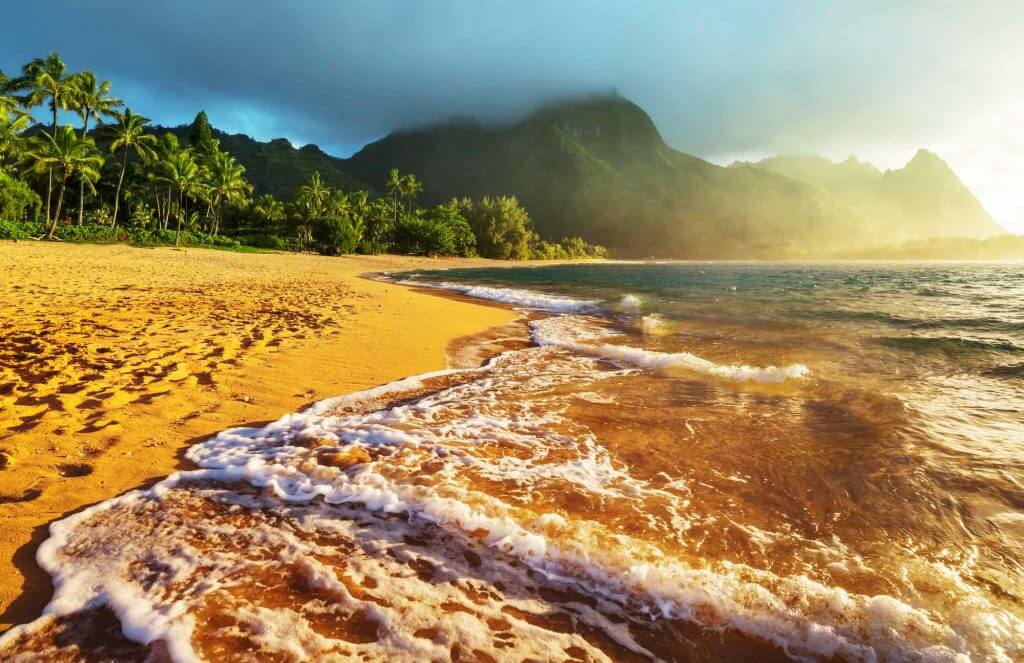
North Shore, South Shore, East Side, West Side – you’re never far from the ocean. Each side has completely different vibes too.
The longest stretch of beach in all of Hawaii is actually here on Kauai. The Kekaha Beach that extends to Polihale is just massive. Like, walk-for-hours-and-not-reach-the-end massive.
Looking for the best beaches for families, snorkeling, or sunset views? I break it all down in my free 7-day Kauai email course that’ll land straight in your inbox.
The Chicken Situation is Real
Let me tell you about the chickens. They. Are. Everywhere.
I’ve lost count of how many times I’ve watched wild chickens eat scraps off my plate at outdoor restaurants (yes, even chicken nuggets – the irony is not lost on me).
Parking lots, beaches, hiking trails, outside your hotel room at 4am… the roosters are literally everywhere and they crow at ALL hours.
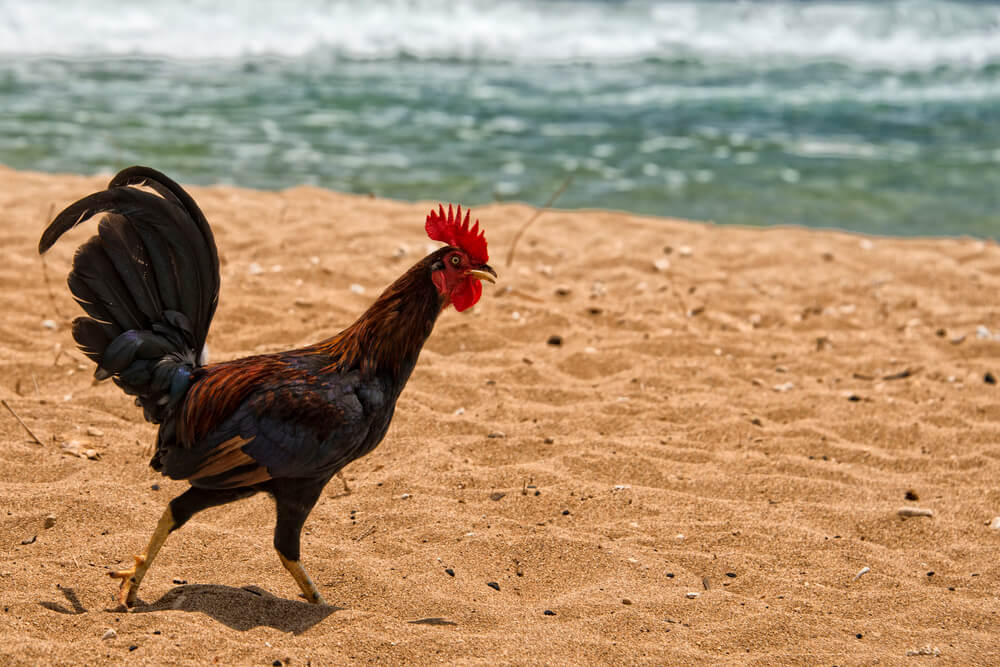
Here’s what happened: When Hurricane Iniki hit in 1992, it destroyed tons of chicken coops across the island, releasing both domestic chickens and fighting roosters into the wild.
My grandma’s place got hit hard by that hurricane – her bedspread ended up in the swimming pool! But the real lasting impact was these chickens.
With no mongooses on Kauai to eat the eggs (more on that in a sec), the chicken population just exploded.
Now they’re this weird hybrid between domestic chickens and the red junglefowl that Polynesians originally brought to Hawaii hundreds of years ago.
Locals are pretty split on them. Some people think they’re a nuisance, some think they’re charming, some see them as unofficial island mascots.
I’m in the “they’re part of the experience” camp, but ask me again after a rooster wakes me up at 3am.
No Mongooses Here
Kauai is the only main Hawaiian island without a mongoose population, which is actually a big deal.
Back in the sugar plantation days, mongooses were brought to most of the islands to control rat populations.
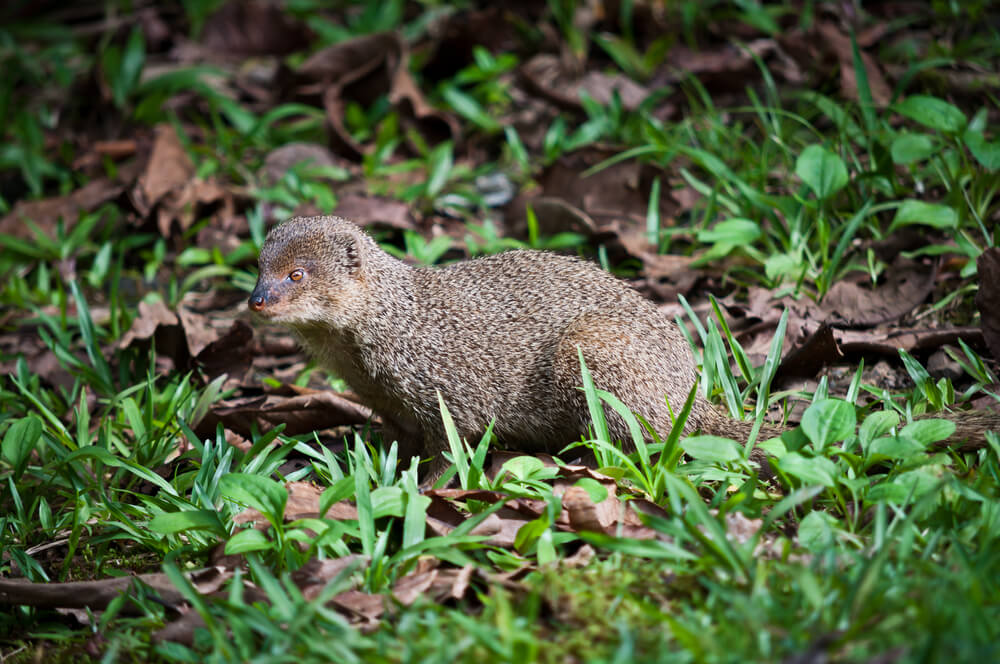
But they never made it to Kauai in significant numbers. There were two captured in 2012, and occasionally there are sightings, but there’s no breeding population here.
This is why the chickens have gone absolutely wild – there’s nothing eating their eggs. On the other islands, mongooses keep chicken populations somewhat in check. Not here though.
The funny thing? Mongooses were supposed to eat rats, but they’re active during the day while rats are nocturnal.
So they never really solved the rat problem anyway. Kauai accidentally avoided this whole failed experiment.
More Wild Pigs Than You’d Think
The wild pig population on Kauai is massive. Estimates range anywhere from 11,000 to 55,000 pigs roaming the island.
You might spot them at Kilauea Wildlife Refuge, see them dart across the highway, or encounter them while hiking.
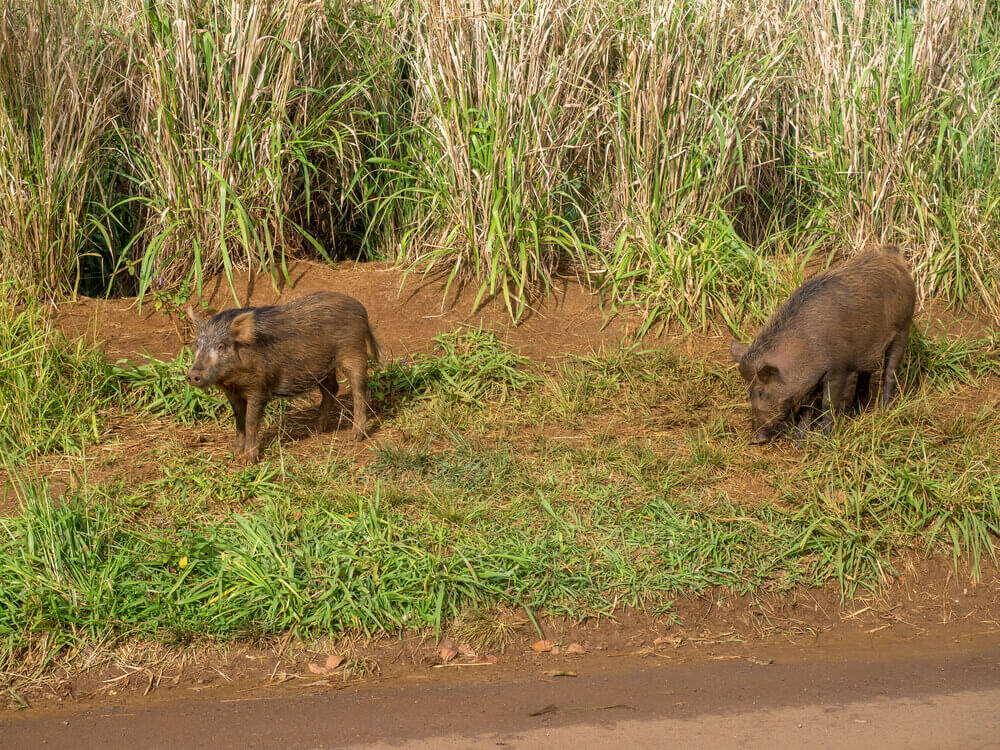
They’re descendants of the pigs Polynesians brought for food, mixed with European boar that were introduced later.
Wild boar hunting is actually legal year-round here, but the population keeps growing.
They can be destructive to native forests and crops, but they’re also just part of the ecosystem now.
Kauai’s Official Color and Flower
Every Hawaiian island has an official color and flower. Kauai’s color is purple (fitting for the “Garden Island” with all those tropical flowers).
The official flower is the Mokihana berry, which only grows on Kauai.
It’s this green berry that grows on Mt. Waialeale, and because it needs such crazy amounts of rain, you literally can’t find it anywhere else in the world.
The Island Grows Serious Crops
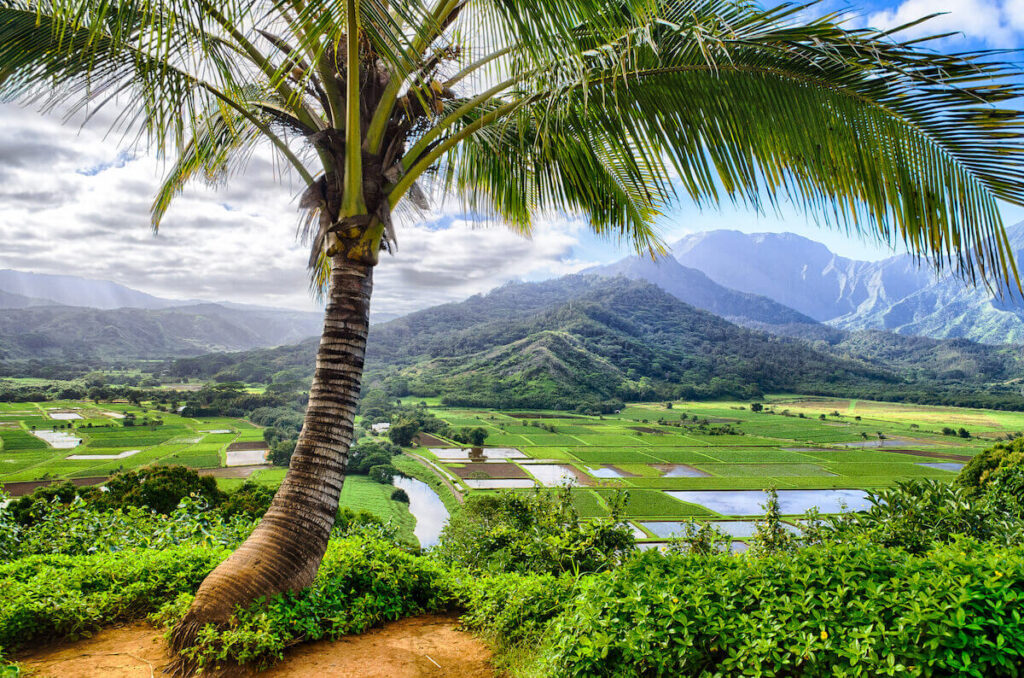
Kauai isn’t just about tourism. The island grows more taro than any other Hawaiian island, with most of it coming from the Hanalei Valley.
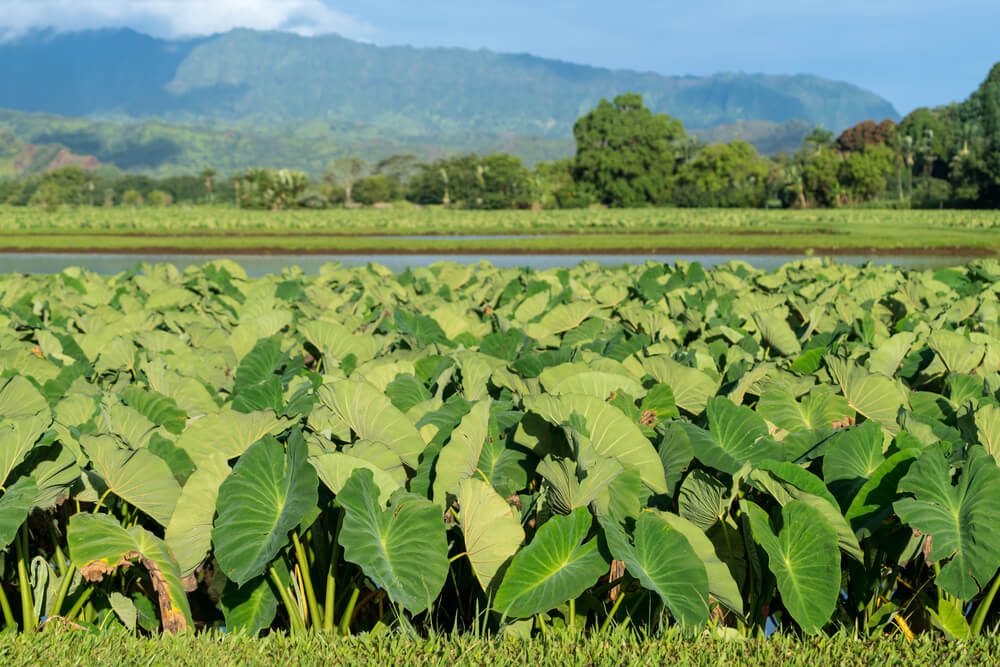
If you drive through Hanalei, you’ll see these stunning taro fields (called lo’i) that have been there for centuries.
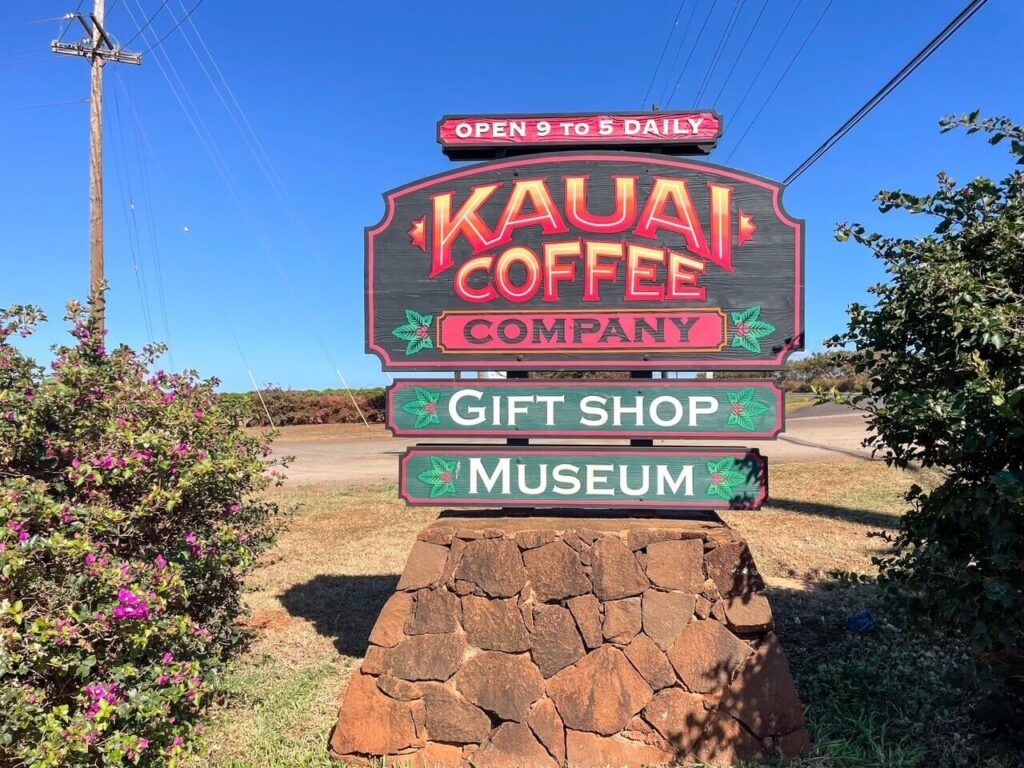
The island is also home to the largest coffee plantation in America – Kauai Coffee Company on the south side.
You can take a free self-guided tour and taste different roasts. It’s worth a stop, especially if you’re a coffee person. (Pro tip: their Peaberry roast is incredible.)
Overall, about 90% of Kauai’s land is used for either agriculture or conservation. This is part of what keeps the island feeling so lush and undeveloped.
You Can’t Drive Around the Whole Island
Unlike Oahu or Maui, you can’t do a circle island tour on Kauai. The road literally ends on both the North Shore (past Hanalei) and on the West Side (at Polihale).
Between these two points, the Na Pali Coast is just too dramatic and steep for road construction.
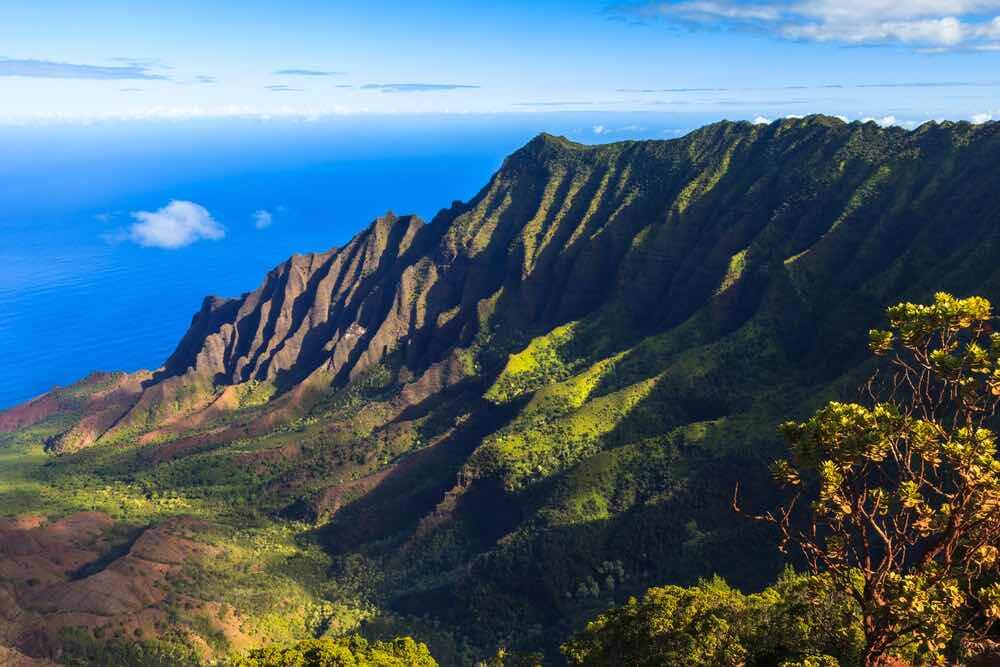
This means you’ll need to plan your island time strategically – North Shore one day, South Shore another, West Side for sunset at Waimea Canyon, etc.
Want help figuring out the best way to divide up your days and make the most of the roads you can drive? I’d love to help you plan so you’re not backtracking or wasting precious vacation time.
Having a reliable rental car makes such a difference on Kauai since everything is so spread out and you’ll be doing a lot of driving.
Most of the Island is Inaccessible by Car
Here’s something that surprised me: most of Kauai’s interior is completely inaccessible by car. You’d need an ATV, a serious hiking background, or a helicopter to see it.
And even then, huge portions of the island are just not accessible at all. It’s too rugged, too remote, too wild.
This is actually what keeps Kauai feeling so untouched. You could visit a dozen times and still never see it all.
To get the full perspective of how dramatic and lush the interior really is, a helicopter tour is honestly worth every penny.
The Only Navigable Rivers in Hawaii
Kauai has more rivers, streams, and waterfalls than any other Hawaiian island. And the Wailua River (about 19 miles long) is the only navigable river in the entire state.
This means you can actually kayak or paddleboard on it, which you can’t really do on the other islands.
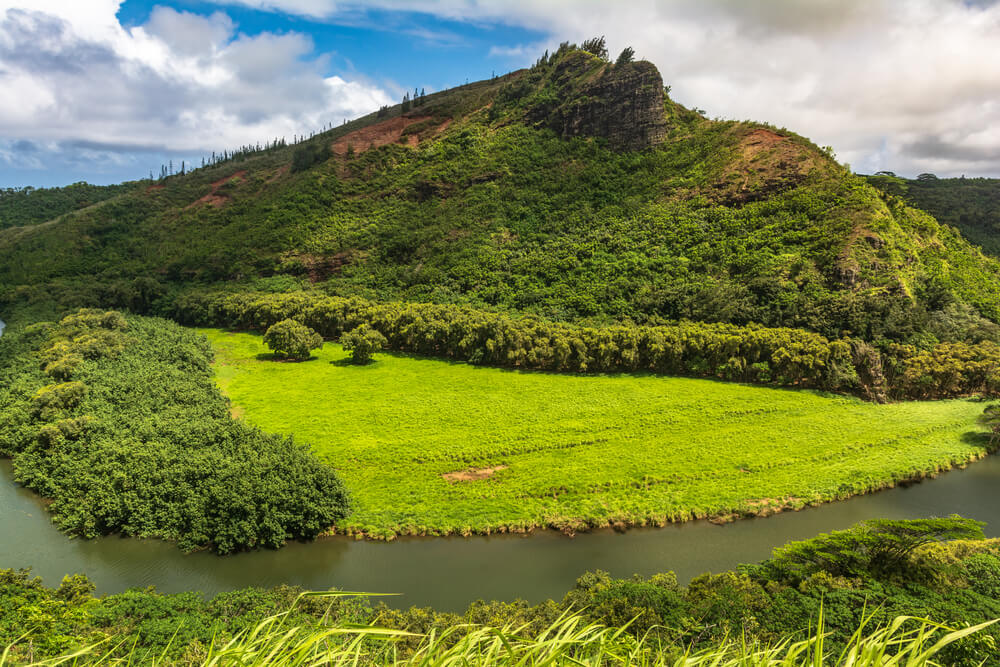
A kayaking trip up to Secret Falls is one of those classic Kauai experiences. You can book guided kayak tours through Viator or Get Your Guide.
The tallest waterfall on the island is Waipoo Falls in Waimea Canyon at 800 feet. There are dozens of others scattered throughout the island, many of them completely hidden in the interior.
Hurricane History Changed Everything
Two major hurricanes have hit Kauai, and they both left permanent marks on the island.
Hurricane Iwa in 1982 was a Category 1 storm with winds around 100 mph. It damaged over 2,300 buildings and left 500 families homeless.
Then came Hurricane Iniki in 1992. This one was a Category 4 monster with sustained winds up to 145 mph – the most powerful hurricane to ever hit Hawaii.
My grandma lived part-time on Kauai, and when Iniki hit, her bedspread literally ended up in the swimming pool. That’s how intense it was.
Iniki destroyed or severely damaged more than 5,000 homes just on Kauai. There were six deaths.
It took years to rebuild, and honestly, the island was never quite the same. Some businesses never reopened.
But the biggest lasting impact? All those wild chickens I mentioned earlier.
The Oldest Hawaiian Island
Kauai is the oldest of the main Hawaiian islands, formed between 5 and 6 million years ago. (The Big Island is the youngest at less than half a million years old.)
This is why Kauai looks so different from the other islands. The volcanic peaks have eroded into those dramatic fluted cliffs you see on the Na Pali Coast.
The valleys are deeper. The vegetation is lusher. Everything has had more time to weather and change.
You can literally see the difference in the landscape – Kauai just looks older and more weathered in the most beautiful way possible.
Perfect Weather Year-Round
Kauai’s weather is ridiculously consistent. Temperatures hover between 75-85°F basically all year long. The ocean temp stays between 60-80°F. There’s no real “bad” season to visit.
Rain usually falls at night or early morning and doesn’t last long (except on Mt. Waialeale obviously).
Down in the tourist areas like Poipu, you’ll see way less rain – maybe 30-40 inches a year, which is totally manageable.
The North Shore gets more rain than the South Shore, but even Hanalei only gets about 78 inches annually. It’s still paradise up there.
No Daylight Saving Time
This isn’t specific to Kauai, but since Hawaii is so close to the equator, there’s no point in daylight saving time.
The amount of daylight stays pretty consistent year-round, so Hawaii just doesn’t participate.
This means when you’re planning your trip, you need to account for the time difference from the mainland.
It changes twice a year depending on whether the mainland is doing daylight saving or not.
Ready to See These Kauai Secrets Yourself?
Now that you know all these insider facts, you’re going to appreciate Kauai on a whole different level.
You’ll spot those movie locations, understand why the chickens are everywhere, and know exactly why buildings feel so low-key compared to other tropical destinations.
My Kauai Travel Guide goes way deeper into the best beaches, hiking trails, restaurants, and activities.
Plus, you’ll get daily itineraries so you’re not scrambling to figure out what to do each morning.
If you want someone to just handle all the planning for you and create a custom itinerary based on your interests and travel style, let’s work together.

I love helping people experience Kauai the way locals do – not just hitting the typical tourist spots but really understanding what makes this island so special.
And if you’re still in the research phase, sign up for my free 7-day Kauai email course.
I’ll walk you through everything from choosing where to stay to packing tips to how to save money without skipping the good stuff.
Trust me, once you visit Kauai and experience it for yourself, you’ll understand why I keep coming back. There’s no place quite like it.
RELATED POSTS:
- Fun Facts About Hawaii
- Best Kauai Farm Tours
- How to Get Around Kauai
- How Many Days in Kauai
- Guide to North Shore Kauai
 | About the author: Marcie Cheung is a Hawaii travel consultant for families who has visited Hawaii more than 40 times. She is the founder of Hawaii Travel with Kids and host of the Hawaii Travel Made Easy podcast. She offers one-on-one Hawaii trip planning consultations and itinerary reviews for families, couples, and honeymooners. |