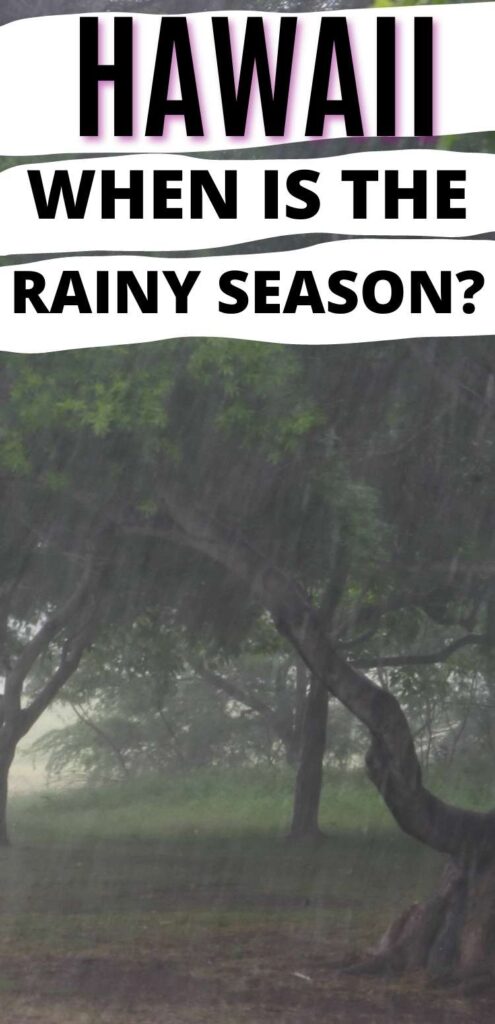
Are you planning your first trip to Hawaii and are worried about the weather? Keep scrolling to find out about when the Hawaii rainy season happens so you can either avoid it or be prepared!
This post about the rainy season in Hawaii was written by Hawaii travel expert Marcie Cheung and contains affiliate links which means if you purchase something from one of my affiliate links, I may earn a small commission that goes back into maintaining this blog.
Planning your Hawaii vacation and worried about rain ruining your trip?
I totally get it. But here’s what I’ve learned after visiting Hawaii over 40 times: a little rain isn’t going to ruin your vacation. Actually, it might even make it better.
My mom lives on Kauai (home to Mount Waialeale, literally the wettest spot on Earth), so trust me when I say we’re no strangers to Hawaiian rain.
We’ve been caught in more rainstorms than I can count. But you know what? Some of my favorite Hawaii memories happened on rainy days.
Let me break down everything you need to know about Hawaii’s rainy season so you can plan your trip without stress.
Does Hawaii Have a Rainy Season?
Yes, but it’s not what you think.
Hawaii has two seasons: summer (Kau) from May to October and winter (Ho’oilo) from November to April.
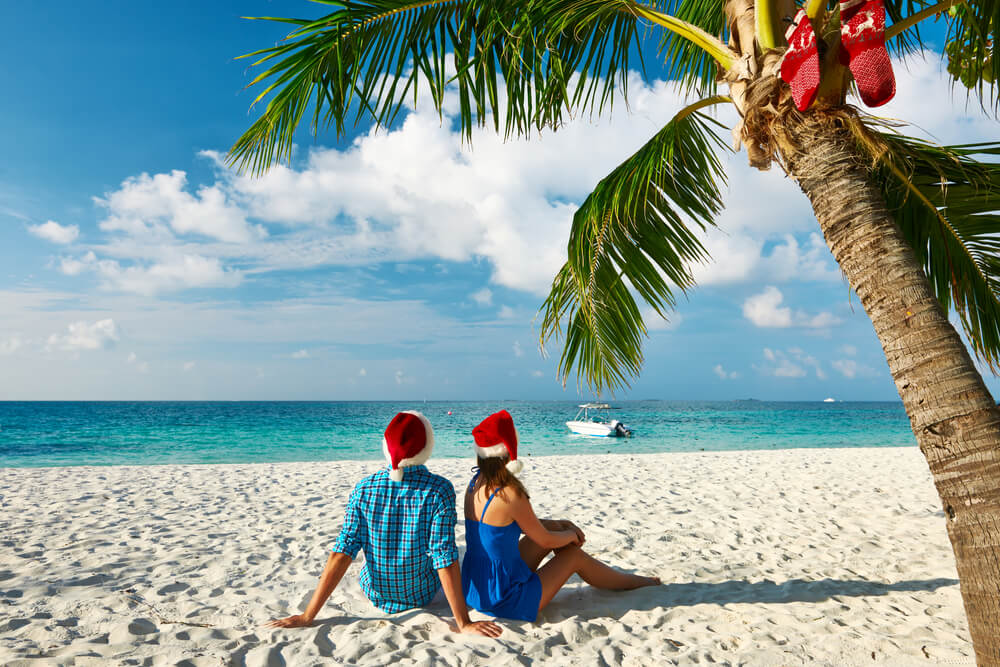
Winter is technically the rainy season, but don’t picture gray skies and downpours for days. Hawaiian rain is completely different from mainland rain.
Here’s the thing. Even during the wettest months, you’ll still see tons of sunshine. Rain usually comes in quick bursts. Like, two-minute downpours or light drizzles scattered throughout the day.
It’s actually kind of refreshing when it’s hot and humid.
When Exactly is Hawaii’s Rainy Season?
The rainy season runs from November through April. December and February tend to be the rainiest months across most islands.
But here’s where it gets interesting. Each island has its own personality when it comes to rain.
Kauai gets the most rain year-round (December through March is the wettest stretch).
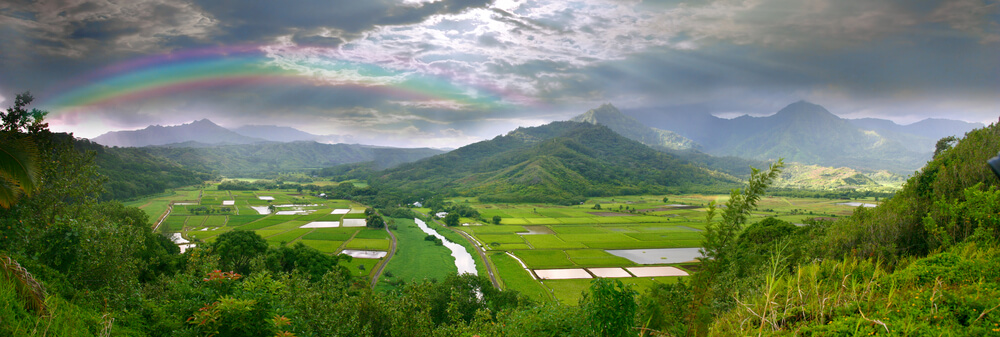
My mom always jokes that she has a rain jacket for every mood. But honestly, if you’re visiting Kauai and you let a little rain stop you, you’re missing out.
Check out our guide on things to do on a rainy day in Kauai for some awesome indoor options.
Maui’s rainy season peaks from November through March, with March usually being the rainiest month.
The west side gets more rain than the south, so if you’re beach-hopping and hit a shower, just drive to the other side of the island. Problem solved.
Oahu follows a similar pattern, with December being the wettest. The North Shore gets way more rain than Honolulu.
Sometimes you’ll drive through the tunnel on the way to the North Shore and it’s literally raining on one side and sunny on the other. It’s wild.
Big Island sees its rainy season from November to March, with November taking the crown for wettest month.
But here’s the kicker: Hilo and Kona have completely different weather. Hilo is way wetter than Kona.
When I took my youngest to the Big Island for the first time, I threw in a lightweight rain jacket “just in case.” SO glad I packed it.
We got caught in rainstorms and mist literally every single day. But it didn’t stop us from having an amazing trip.
What About Hurricane Season?
Hurricane season in Hawaii runs from June 1 through November 30. So yes, it overlaps with summer.
Before you panic, let me put this in perspective. Hurricanes don’t hit Hawaii that often.
The 2025 forecast from NOAA predicts only 1-4 tropical cyclones in the Central Pacific, and most of those stay far enough away that they don’t impact your vacation.
When they do come close, you might just get some extra rain and wind for a day or two, then it goes right back to being gorgeous.
If you’re traveling during hurricane season, just keep an eye on the weather reports and you’ll be fine. Having a travel umbrella in your bag never hurts either.
Winter Weather: It’s Not Really “Winter”
Let’s talk about what winter actually looks like in Hawaii.
Temperatures hover around 78°F during the day and drop to the high 60s or low 70s at night. The ocean stays at a comfortable 74°F.
You’ll probably want a light jacket for evenings, but you’re definitely not dealing with “cold” by any normal definition.
The surf is way higher during winter, which is amazing if you love to surf or watch surf competitions. If you’re a beginner swimmer, though, stick to the calmer beaches or wait until summer when the ocean’s more chill.
The bonus? Winter is also whale season. Humpback whales migrate to Hawaii from December through mid-April, and seeing them is absolutely incredible.
You can spot them from shore or book a whale watching tour on Viator to get up close. For more details, check out our complete guide to Maui whale watching.
Summer Weather: Hot and Dry (Mostly)
Summer in Hawaii runs from May through October and brings temperatures around 85°F. Some days hit 90°F, especially in August and September. The surf calms down, making it perfect for beginner swimmers and snorkelers.
The ocean warms up to the high 70s, which feels like bathwater. It’s honestly paradise.
Summer is also the busier season, so expect more crowds and higher prices. But if you want guaranteed sunshine for days, summer’s your best bet.
Check out hotels on Expedia early if you’re planning a summer trip, because they book up fast.
Does It Rain Every Day in Hawaii?
Technically, yes. But hear me out.
It might rain somewhere on the islands every day, but we’re talking about brief showers. Like, blink and you miss it rain. It’s usually just a few minutes at a time, and then the sun comes back out.
The windward (northeastern) sides of the islands get more regular rain because of the trade winds and mountains. But even there, it’s not an all-day thing.
Here’s my favorite Hawaii weather fact: you can be standing in the rain on one side of an island and drive 20 minutes to the other side where it’s completely sunny. The weather is super localized here.
Best Things to Do on a Rainy Day in Hawaii
Rain doesn’t mean your vacation is ruined. Some of my best Hawaii memories happened when it was pouring outside.
Visit a Museum
The Bishop Museum on Oahu is hands down one of the coolest museums I’ve ever been to. It’s packed with Hawaiian culture and history, plus they have amazing exhibits for kids. The Honolulu Museum of Art is another great option.
Other islands have fantastic museums too. The Baldwin Home Museum, Lyman Museum and Mission House, and Kauai Museum are all worth checking out.
Aquariums and Ocean Centers
The Maui Ocean Center is perfect for a rainy day. You get to see all the amazing sea life without getting wet.
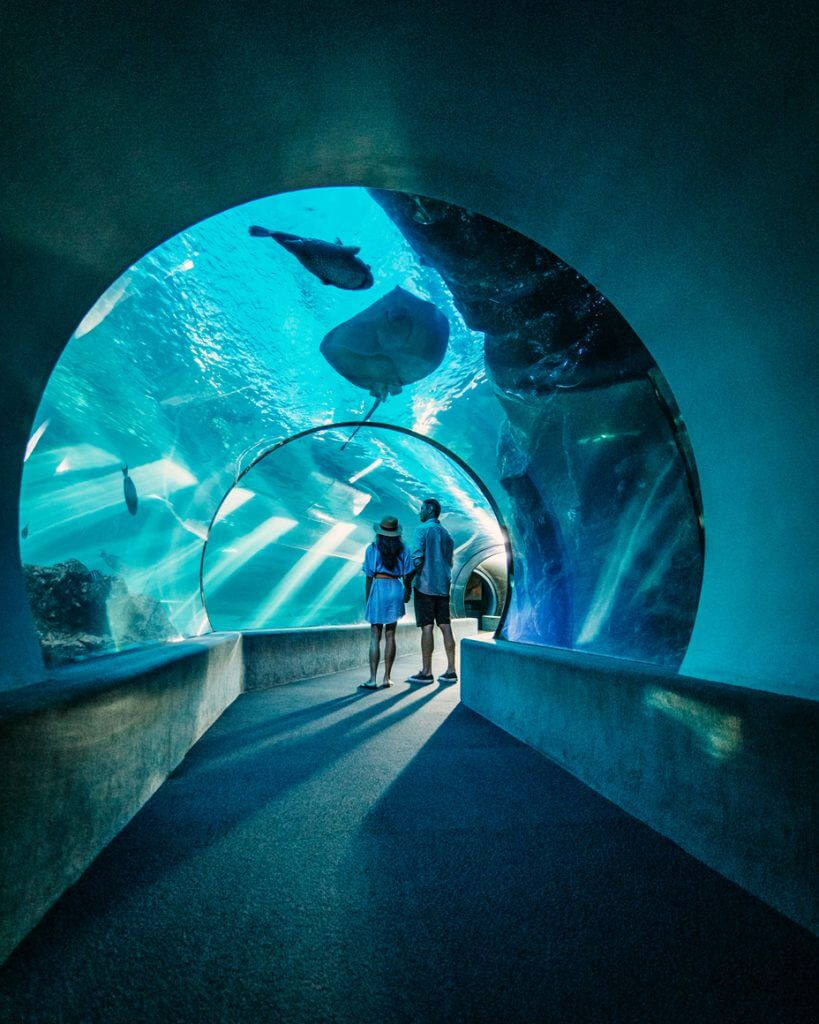
Over 60 different exhibits show you everything from tiny reef fish to massive sharks.
Go to the Spa
Why not use a rainy day as an excuse to get pampered? Hawaii has some incredible spas, and many resorts have their own. Book a massage, facial, or whatever makes you feel relaxed. You’re on vacation, after all.
Pearl Harbor
Most of the Pearl Harbor exhibits are indoors, making it perfect for rainy days.
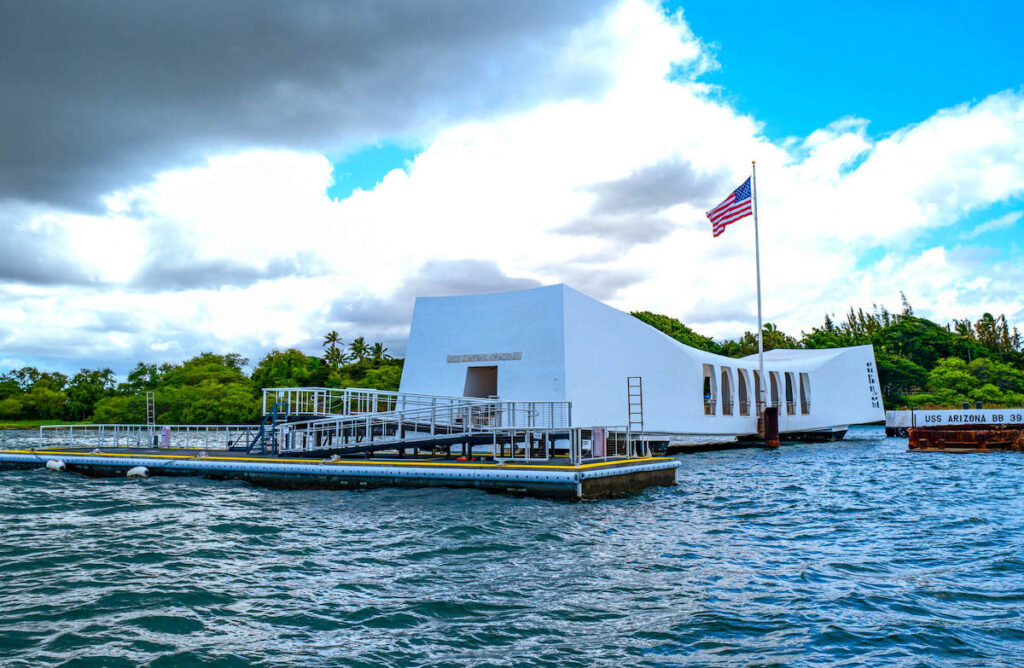
The USS Arizona Memorial is free (first-come, first-served for tickets), and the Pearl Harbor Aviation Museum is fascinating. Rain or shine, this is one of those must-do Hawaii experiences.
Shopping for Souvenirs
Rainy days are perfect for souvenir shopping. Get it done when it’s wet outside, then when the sun comes back out, you can head straight to the beach.
If you’re on Kauai, grab some unique Kauai souvenirs you won’t find anywhere else.
Island Tours
Book a circle island tour on Get Your Guide and enjoy the scenery from inside a comfortable vehicle. You might even drive into sunny weather on the other side of the island. Learn more about whether an Oahu circle island tour is worth it.
Whale Watching
Rainy season overlaps with whale season (December through mid-April), so you can still head out on the water.
What to Pack for Hawaii Rain
Don’t let rain catch you off guard. Here’s what I always pack:
- Lightweight rain jacket for everyone (seriously, I learned my lesson on the Big Island)
- Compact travel umbrella that fits in your day bag
- Kids’ rain gear if you’re traveling with little ones
- Quick-dry clothes so you’re not stuck in wet stuff all day
Don’t overpack, though. Hawaiian rain is warm, so you don’t need heavy rain gear like you would on the mainland.
Should You Avoid the Rainy Season?
Absolutely not.
Here’s why I actually love visiting Hawaii during the “rainy season”:
Lower prices. Winter months (outside of the holidays) are cheaper. You can save serious money on hotels and rental cars.
Fewer crowds. Tourist spots aren’t as packed. You’ll actually get to enjoy beaches and attractions without fighting through massive crowds.
Whale season. If you visit between December and April, you get to see humpback whales. That alone is worth it.
Everything’s greener. The landscapes are absolutely stunning after winter rains. Waterfalls are more impressive, rainbows are everywhere, and the whole island just glows.
It’s still warm. You’re not dealing with freezing temps. Even with rain, it’s tropical and pleasant.
As a professional tourist who’s been to Hawaii more times than I can count, I can honestly say that rain has never ruined a single trip. You just need to go in with realistic expectations and a good rain jacket.
When is the BEST Time to Visit Hawaii?
That depends on what matters most to you.
Want guaranteed sunshine? Visit between May and July. You’ll get hot, dry weather and calm ocean conditions.
Want to save money? Visit in the shoulder seasons (April-May or September-October) or during winter outside of the holidays. You’ll get good weather without peak pricing.
Want to see whales? Visit December through April. Book a rental car so you can easily get to different viewing spots.
Traveling with kids? Any time works honestly, but summer break and holidays will be more expensive.
Check out our Maui travel guide for families, Oahu travel guide for families, Kauai travel guide for families, and Big Island travel guide for families for detailed planning tips.
If you’re feeling overwhelmed trying to figure out the best time for YOUR family, I offer Hawaii travel consultations where we can talk through your specific needs and concerns.
I help families plan stress-free Hawaii vacations all the time, and timing is one of the biggest questions people have.

Island Hopping During Rainy Season
Thinking about visiting multiple islands? The rainy season can actually be perfect for island hopping because if one island is having a wet day, you can hop to another that’s sunny.
Our Hawaii island hopping guide walks you through exactly how to plan a multi-island trip, including tips on booking inter-island flights and deciding how many days to spend on each island.
Want to learn more about planning the perfect Hawaii vacation? I offer free email courses that walk you through everything step-by-step:
- How to Travel to Hawaii Like a Pro
- How to Save Money in Hawaii
- How to Plan a Trip to Oahu
- How to Plan a Trip to Maui
- How to Plan a Trip to Kauai
- How to Plan a Trip to the Big Island
I also talk about weather, timing, and all things Hawaii planning on my podcast, Hawaii Travel Made Easy. Give it a listen for more insider tips from a Hawaii travel expert who’s been doing this for decades.
Document Your Rainy Day Adventures
Here’s something I wish I’d done more of during rainy days in Hawaii: getting professional photos.
Rain creates the most incredible lighting for photos. Plus, rainbows show up like crazy after showers.
If you want stunning family photos from your trip, check out Flytographer. They connect you with local photographers who know exactly where to shoot in any weather. You’ll save $20 when you use my link.
And speaking of documenting your trip, grab a Hawaii travel journal or a Hawaii travel journal for kids so your family can remember all the details of your adventure, rain or shine.
The Bottom Line on Hawaii’s Rainy Season
Don’t let rain stop you from visiting Hawaii. I’m serious.
Hawaiian rain is nothing like mainland rain. It’s warm, it’s brief, and it actually makes the islands more beautiful. The waterfalls flow harder, the rainbows come out, and everything just smells fresher.
Pack a light rain jacket, keep a flexible attitude, and you’ll have an amazing time no matter when you visit.
As someone who’s been caught in countless Hawaiian rainstorms (thanks to my mom living on the wettest island), I can promise you that rain won’t ruin your vacation.
Sometimes it actually makes the memories even better.
Now go book that trip. Rain jacket optional, but recommended.
Looking for more Hawaii Travel Resources? Find out the worst time to visit Hawaii, my step-by-step guide to planning a Hawaiin vacation, how to rent a car in Hawaii, and the biggest Hawaii mistakes people make.
 | About the author: Marcie Cheung is a Hawaii travel consultant for families who has visited Hawaii more than 40 times. She is the founder of Hawaii Travel with Kids and host of the Hawaii Travel Made Easy podcast. She offers one-on-one Hawaii trip planning consultations and itinerary reviews for families, couples, and honeymooners. |