

Are you wondering about the best times to visit Hawaii with kids? Find out our top Hawaii tips so you can plan your perfect Hawaii family vacation!
This guide to the best time to visit Hawaii with kids was written by Hawaii travel expert Marcie Cheung and contains affiliate links which means if you purchase something from one of my affiliate links, I may earn a small commission that goes back into maintaining this blog.
TL;DR: Just Tell Me When to Go
Best timing overall: Late April through May OR September through mid-November
Whale watching priority: January through March
Best for nervous swimmers: May-September (calmest ocean)
Cheapest weeks: Late September, early October (save $3,000-$5,000 versus peak)
WORST timing: Christmas week (ridiculously expensive), late August/early September (miserably hot, zero breeze)
OK so I thought I was being really smart booking Maui in September. Shoulder season! Fewer crowds! Better prices!
My toddler and I landed on the west side around lunchtime. Within one hour I realized I’d screwed up. So hot. So muggy. Literally zero trade winds. Just thick humid air that felt like breathing through a wet towel.
We couldn’t even enjoy the beach because we were both dripping sweat and cranky.
Ended up driving all the way to the other side of the island just to find some breeze.
Then there was April at Disney Aulani when it rained ALL DAY. Not cute tropical showers. Full on stuck-inside-with-two-boys-losing-their-minds rain.
I’ve visited Hawaii 40+ times as a professional tourist and Certified Hawaii Destination Specialist. I’ve made basically every timing mistake so you don’t have to.
Your timing choice makes or breaks your entire $10,000+ vacation.
Here’s what matters: Average family of four spends $7,000-$13,000 for one week in Hawaii right now (2026 prices).
Pick the wrong dates and you’ll pay $5,000 more for literally the same trip. Pick a miserably hot week and you’ll be sweaty and cranky no matter what you spent.
Hawaii got 7.29 million visitors January through September 2025 alone (Hawaii Tourism Authority data). Most picked terrible timing.
Don’t be like them.

What Nobody Tells You About Hawaii Weather
Hawaii weather is NOT “perfect year-round.” That’s brochure nonsense.
Yeah it’s warm. But there are massive differences that nobody mentions until you’re sweating through your shirt at 9am or watching rain pour on your $250/night resort.
Winter (December-February): Whales + Rain + Insane Crowds
Winter is technically rainy season but that doesn’t mean what you think.
You get quick showers that blow through fast. Most rain happens overnight or super early morning then clears out. Not Seattle weather. You won’t be stuck inside for days.
Real reason to come in winter? WHALES.
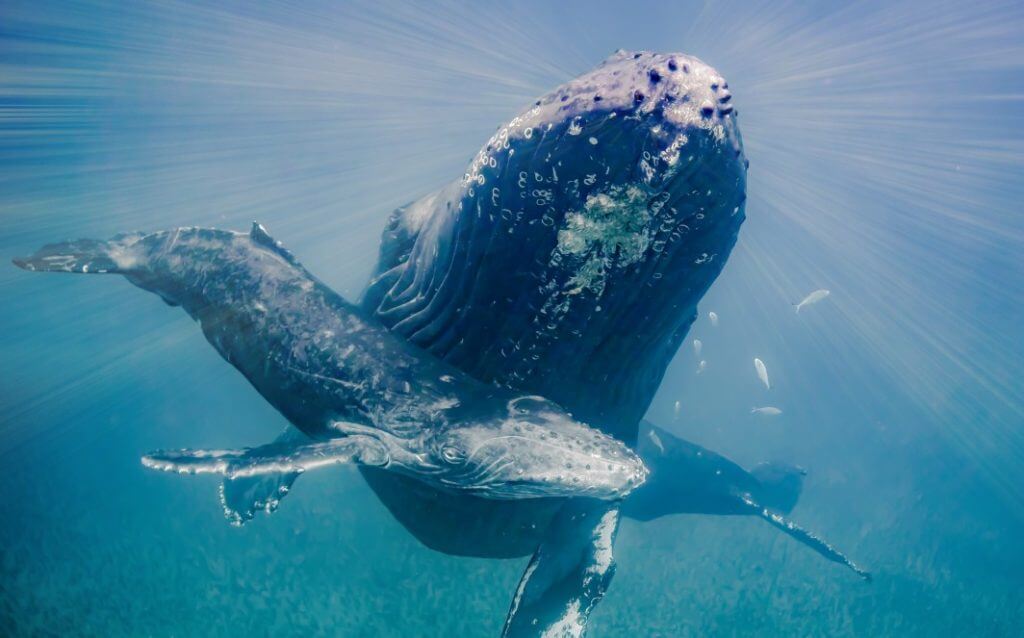
Thousands of humpback whales migrate to Hawaii December through April to have babies. The 2025-2026 season started with first whale spotted off Kauai on October 14, 2025.
January through March is peak activity (Hawaiian Islands Humpback Whale National Marine Sanctuary tracks this stuff). Multiple sightings every day if you’re on the water. About 11,000 whales visit Hawaii each winter.
My boys absolutely lost it the first time they saw a whale breach. One of those moments where you forget how much the flights cost.
Check out winter in Hawaii for more details. Christmas in Hawaii definitely beats shoveling snow.
Temps: Mid-70s to low 80s
Crowds: Absolutely packed (especially holidays)
Real talk: Book 4-6 months ahead minimum or you’ll get whatever’s left
Podcast episode: Christmas in Hawaii: Your Complete Holiday Travel Guide
Spring (March-May): The Secret Best Time
This is when smart families go.
Crowds disappear after spring break ends (usually mid-March). Weather is gorgeous. Not scorching hot, not rainy. Ocean is calm enough for kids to actually swim without getting pounded by waves.
Late April and early May? Perfect. Beautiful weather, no summer heat, way fewer tourists.
But yeah, April can rain. Remember my Aulani disaster? That was April. It happens. Just not often.
Spring in Hawaii means you can actually enjoy sunset spots without 400 people photobombing you.
Temps: Mid-70s to low 80s
Crowds: Moderate (really light late April-May)
Real talk: This is your sweet spot for great weather AND lower prices
More info: Hawaii Spring Break Guide: Best Islands, Activities & Real Costs
Summer (June-August): Peak Family Chaos
Summer is SLAMMED. Every family in America with school-age kids goes to Hawaii at the same time.
Hotels book months ahead. Prices are stupid high. Popular activities sell out. You’ll wait in line for literally everything.
But the weather? Incredibly consistent. Hot, sunny, perfect beach days every single day. Ocean is calm and warm, great for kids learning to snorkel.
If you have school-age kids and summer is your only option, fine. Just book early and accept that you’re sharing the islands with everyone else.
Warning: Late summer (especially September) can be brutal on west sides of islands. That’s what happened to me in Maui. No trade winds means you’re just cooking. Miserable.
Summer in Hawaii is all about accepting crowds and making peace with it.
Temps: Upper 80s (feels way hotter with humidity)
Crowds: Everywhere
Real talk: Consistent sunny weather and calm ocean but prepare to share
Listen: Is Summer the Worst Time to Visit Hawaii?
Fall (September-November): Best Deals, Period
This is my favorite if you’ve got young kids or flexible school schedules.
September through mid-November gives you lower prices, fewer crowds, still really good weather. Yeah September can be hot (learned that lesson), but October and November are perfect.
Rain picks up in November but it’s manageable.
Hotel prices drop HARD. You can save over $1,000 on accommodations alone versus summer or Christmas.
Visitor arrivals in September 2025 dropped 2.5% from last year (Hawaii Tourism Authority). Translation: more beach space for your family.
Fall in Hawaii feels like the local experience because it’s not overrun.
Temps: Low to mid-80s
Crowds: Way fewer people
Real talk: Best prices of the year if you can swing it
Check out: Why Fall is the Best Time to Visit Hawaii (And the Cheapest!)
When to Visit Hawaii: Quick Comparison
| Season | Weather | Crowds | Price | Best For |
|---|---|---|---|---|
| Winter (Dec-Feb) | Mid-70s to low 80s, quick showers | Very High | $$$$ | Whale watching, escaping snow |
| Spring (Mar-May) | Mid-70s to low 80s, less rain | Moderate | $$ (late April-May) | Great weather, fewer crowds |
| Summer (Jun-Aug) | Upper 80s, very sunny | Very High | $$$$ | Calm ocean, consistent weather |
| Fall (Sep-Nov) | Low to mid-80s, more rain in Nov | Low to Moderate | $$ (best deals) | Best prices, smaller crowds |
Month-by-Month: What I Actually Recommend
January-February: Peak whale season. Expensive. Crowded. But if whales are your priority, this is it. Book 3-4 months ahead minimum or settle for what’s left.
March: Crowded through spring break (usually mid-month). After spring break ends it gets way better. Late March is a sweet spot.
April: One of my favorites despite that rain experience. Late April especially. Prices drop, crowds thin, weather is gorgeous. Yes occasional rain happens but it’s rare.
May: Underrated. Great weather, low crowds, reasonable prices. Ocean is warming up. Book this if you can.
June-July: Peak summer. Busy but consistent weather. Ocean is calmest. If you have school-age kids this is your window. Accept the crowds and prices.
August: Still busy but starting to feel uncomfortably hot, especially west-facing coasts. This is when I had my Maui meltdown. Trade winds can die down.
September: Cheap! Empty! But hot and humid, especially early September. Mid-to-late September is better once temps cool slightly. Honestly I wouldn’t book early September again.
October: My absolute favorite month. Perfect weather, low crowds, great prices. This is the sweet spot.
November: Good until Thanksgiving, then crowds and prices spike. Early November is great. Avoid Thanksgiving week unless you love crowds.
December: Expensive. SO expensive. Pre-Christmas is manageable. Christmas week through New Year’s? Absolutely slammed and wildly overpriced. Only do this if money is truly no object.

Hawaii Travel Stats You Should Know (2025-2026)
Actual numbers that matter for planning:
- Total visitors (Jan-Sept 2025): 7.29 million (source: Hawaii Dept of Business, Economic Development & Tourism)
- Average daily spending per person (2025): $270
- Total visitor spending July 2025 alone: $1.95 billion
- Typical family of four trip cost (2026): $7,000-$13,000 for one week
- Peak vs off-peak price difference: $3,000-$5,000 for identical trips
- Whale season: December-April (peaks January-March)
- First whale sighting 2025-2026 season: October 14, 2025 off Kauai
- Humpback whales visiting Hawaii each winter: Approximately 11,000
- Maui tourism status: Still down 20% from pre-fire levels (your visits genuinely help recovery)
- Maui homes rebuilt as of Dec 2025: 100 completed, 290 under construction, 496 permits approved
Sources: Hawaii Department of Business, Economic Development & Tourism (DBEDT), Hawaiian Islands Humpback Whale National Marine Sanctuary, Maui Recovers
Peak vs Shoulder Season: What It Really Means
Peak Season (Christmas, Summer, Major Holidays):
- Hotels 150-200% more expensive
- Popular activities book out weeks ahead
- Beaches feel like crowds
- Traffic everywhere
- Everything costs more (even groceries)
Average hotel: $450-800/night
Average flight (mainland): $800-1,200 per person
Shoulder Season (Late April-May, September-October):
- Hotels 40-60% cheaper
- Activities available on short notice
- You can actually find parking
- Restaurants don’t have hour-long waits
- You feel like you have the island to yourself
Average hotel: $200-400/night
Average flight (mainland): $400-700 per person
I’ve done both. Shoulder season wins every time unless you absolutely need to see whales or you’re stuck with school schedules.
More details: Peak vs Shoulder Season in Hawaii: When Should You Go?
Best Times for Specific Activities
Whale Watching (My Boys’ Favorite)
When: January through March (peak activity)
January through March gives you best chance of multiple sightings. First whales arrive in December, last ones leave in April, but peak is definitely middle of winter.
You’ll see whales breaching, tail slapping, sometimes even spy-hopping right from shore. My kids saw three whales breach in one morning from our hotel lanai in February. They talked about it for months.
Every island offers whale watching but Maui is the champion. Complete guide to whale watching on Maui.
Beach Activities & Snorkeling
When: May through September
Summer brings calmest, clearest ocean conditions. Perfect for nervous swimmers or first-time snorkelers.
Water is also warmest during summer. My boys are way more willing to spend hours in the water when it’s 78-80 degrees versus 74.
Hiking & Exploring
When: April-May and September-November
You want comfortable temps for hiking, not sweltering heat. Spring and fall offer perfect conditions for exploring Hawaii’s incredible natural beauty without intense summer sun.
Cultural Events
September: Aloha Festivals
April: Merrie Monarch Festival (hula competition)
These events give kids authentic glimpses into Hawaiian culture. As someone who’s danced hula for 20+ years, I can tell you Merrie Monarch Festival is absolutely worth planning a trip around if your family enjoys cultural experiences.
What About Visiting Maui After the Lahaina Fires?
This is important because families are still confused about visiting Maui.
Most of Maui is fully open and desperately needs tourism dollars.
August 2023 fires devastated Lahaina and the town is still rebuilding. As of December 2025, 100 homes completed with 290 more under construction and 496 permits approved (according to Maui Recovers).
But Ka’anapali, Napili, Kapalua, Wailea, Kihei, and rest of the island are completely open for tourism.
Maui tourism is still down about 20% compared to pre-fire levels. Local businesses need visitors. Many Maui residents have tourism jobs and are counting on visitors returning.
Lahaina Harbor partially reopened December 15, 2025 with four tour operators returning, which is a positive step forward.
How to visit respectfully:
- Stay in open resort areas (Ka’anapali, Wailea, Napili, Kapalua, Kihei)
- Support local businesses when you can
- Don’t try to visit Lahaina town itself unless officially reopened
- Be patient with any service delays (staffing is still recovering)
- Remember your tourism dollars directly support families rebuilding their lives
The State of Hawaii and Maui Mayor’s Office have been clear: Maui wants and needs respectful tourism to support economic recovery.
Listen to my podcast where I talk about this: Is It Okay to Visit Maui? Supporting Hawaii After Tragedy
How to Actually Pick Your Travel Dates
Forget the generic “best time to visit Hawaii” advice. Here’s how to decide based on YOUR priorities:
If Saving Money is Your Top Priority
Book: Late April, late September, or October
These windows give you shoulder season prices without terrible weather. You’ll save $2,000-5,000 versus peak season for identical trip.
My free email course walks through this: How to Save Money on a Hawaii Vacation (Free 5-Day Email Course)
If Seeing Whales is Non-Negotiable
Book: Late January through February
Peak of peak whale season. You’ll pay more and deal with crowds but whale sightings are almost guaranteed daily.
If You Have School-Age Kids (Summer Only Option)
Book: June through early August
Accept you’ll pay peak prices and deal with crowds. Book hotels and activities 3-4 months ahead. Consider shoulder season during spring break instead if possible.
If You Want Best Overall Experience
Book: Late April through May OR October
Perfect balance of good weather, reasonable crowds, and manageable prices. This is when I book my personal trips.
Podcast that covers this: Choosing Between Peak Season and Shoulder Season for Your Hawaii Trip
Weather Forecasts: Can You Trust Them?
Short answer: Not really.
Hawaii weather forecasts more than 3-4 days out are basically guesses. Weather patterns change fast here because of how mountains affect air flow and ocean temperatures.
What you CAN predict:
- Summer will be hot and mostly dry
- Winter will have occasional rain showers
- Trade winds are most consistent April-September
- November-March gets more rain overall
What you CAN’T predict:
- Exact rain timing
- When trade winds will die down
- Temperature swings week to week
I check weather forecasts 2-3 days before arrival and pretty much ignore anything beyond that. Pack for all scenarios (sun, rain, cooler evenings).
Quick Weather Facts for Hawaii
- Average temp year-round: 75-85°F
- “Rainy season”: November-March (but still only averages 3-4 inches/month on leeward coasts)
- Hurricane season: June-November (direct hits are rare)
- Trade winds: Most consistent April-October
- Ocean temp: 74-80°F depending on season
- UV index: Extremely high year-round (sunscreen is absolutely essential)
Source: National Weather Service Honolulu
Planning Your First Hawaii Trip? Start Here
If this is your first Hawaii vacation or you’re feeling overwhelmed by all these options, I’ve got resources to help.
Free Email Courses (My Most Popular)
These walk you through planning step-by-step:
- How to Travel to Hawaii Like a Pro (Free 5-Day Course)
- How to Save Money in Hawaii (Free 5-Day Course)
Island-Specific Planning Guides
Each island is different. These guides help you pick the right one:
- How to Plan a Trip to Oahu (Free 7-Day Email Course)
- How to Plan a Trip to Maui (Free 7-Day Email Course)
- How to Plan a Trip to Kauai (Free 7-Day Email Course)
- How to Plan a Trip to Big Island (Free 7-Day Email Course)
- How to Plan a Trip to Disney Aulani (Free 7-Day Email Course)
Complete Travel Guides
These are comprehensive paid guides with everything you need:
- Maui Travel Guide for Families
- Oahu Travel Guide for Families
- Kauai Travel Guide for Families
- Big Island Travel Guide for Families
- Hawaii Island Hopping Guide
Hawaii Travel Journals
Document your trip with these:
Essential Booking Tips
Book Hotels Early (Like, Really Early)
Peak season hotels book 4-6 months out. Shoulder season you can wait 2-3 months but why risk it?
I always book through Expedia for hotels because their deals are usually best and you can bundle flights + hotels for savings.
Book Activities in Advance
Popular activities (especially whale watching tours, luaus, zip lines) sell out. Book these 2-4 weeks ahead.
Viator and Get Your Guide both offer great options with free cancellation policies.
Get Professional Photos
This might sound extra but Flytographer vacation photos are worth it. You save $20 when you use my link.
Your phone photos are fine but having professional family photos in Hawaii is something you’ll treasure forever. We did this and I look at those photos constantly.
Always Rent a Car
No exceptions for families. You need flexibility to leave when kids get cranky, store beach gear, explore at your own pace.
We always book through Discount Hawaii Car Rental. Their no-prepayment policy means you can rebook if prices drop and free cancellation gives you flexibility.
Consider Professional Planning Help
If this is your first Hawaii trip or you’re feeling overwhelmed by all these options, my Hawaii travel consultation service can save you hours of research and help you avoid expensive mistakes.
I’m a professional tourist who’s visited Hawaii 40+ times and a Certified Hawaii Destination Expert. I can help you build perfect itinerary for your family’s specific needs and timing.

Join Our Community
Hop into our Hawaii Travel with Kids Facebook group to connect with other families planning trips. Full of real-time tips and advice.
FAQ: Your Hawaii Timing Questions Answered
When is the absolute best time to visit Hawaii with kids?
Late April through May and September through mid-November offer best combination of good weather, lower prices, and fewer crowds. January through March is best if whale watching is a priority for your family.
When is the worst time to visit Hawaii?
Christmas week through New Year’s (insanely expensive and crowded) and late August/early September (miserably hot and humid with unreliable trade winds). If you can avoid these windows, do it.
How far in advance should I book Hawaii?
For peak season (summer, Christmas, major holidays): 4-6 months ahead. For shoulder season: 2-3 months is usually fine. Activities and popular tours should be booked 2-4 weeks ahead regardless of season.
What’s the cheapest time to visit Hawaii?
Late September through mid-October offers lowest prices overall. Late April and early May are also budget-friendly. You’ll save $2,000-5,000 on same trip versus peak season.
Is Hawaii more expensive in summer or winter?
Both are expensive. Christmas week is probably most expensive time of entire year. Summer (June-August) is consistently pricey but slightly less than winter holidays. Cheapest months are September, October, late April, and early May.
Can you visit Hawaii year-round?
Technically yes but some times are way better than others. You CAN visit any month but why suffer through expensive crowds in December or miserable heat in August when you could go in perfect-weather October for half the price?
What month has the best weather in Hawaii?
May and October typically offer best combination of warm temps (not too hot), low rain chances, and reliable trade winds. April and September are close seconds.
When is hurricane season in Hawaii?
June through November is official hurricane season but direct hits are rare. Most storms weaken or veer away before reaching islands. I wouldn’t let this stop you from visiting during these months.
Listen to My Podcast for More Hawaii Travel Tips
I host Hawaii Travel Made Easy where I share detailed tips from 40+ visits.
Relevant episodes for timing your trip:
- When Is the Best Time to Visit Hawaii?
- Is Summer the Worst Time to Visit Hawaii?
- Peak vs Shoulder Season in Hawaii: When Should You Go?
- Why Fall is the Best Time to Visit Hawaii (And the Cheapest!)
- Choosing Between Peak Season and Shoulder Season for Your Hawaii Trip
- What You Need to Know About Hawaii Weather Before You Book
- Christmas in Hawaii: Your Complete Holiday Travel Guide
- Hawaii Spring Break Guide: Best Islands, Activities & Real Costs
Bottom Line: When Should You Actually Go?
If you can swing it, visit Hawaii in late April-May or September-mid-November.
You’ll get great weather without extreme heat. Reasonable crowds instead of insanity. Prices that won’t make you cry when the credit card bill arrives.
Yeah, you might miss peak whale season. You might get a random rainy day. But you’ll also get to actually enjoy your vacation instead of fighting crowds and sweating through every outing.
I learned this the expensive and uncomfortable way. You don’t have to.
Pick your dates smart and Hawaii will be everything you hoped for. Pick wrong and you’ll spend $10,000+ to be miserable.
Your choice.
 | About the author: Marcie Cheung is a Hawaii travel consultant for families who has visited Hawaii more than 40 times. She is the founder of Hawaii Travel with Kids and host of the Hawaii Travel Made Easy podcast. She offers one-on-one Hawaii trip planning consultations and itinerary reviews for families, couples, and honeymooners. |
