Are you planning a trip to Hawaii in 2026 but are confused about the new Green Fee? That’s where I come in as a Hawaii travel expert!
This post about Hawaii’s Green Fee was written by Hawaii travel expert Marcie Cheung and contains affiliate links, which means if you purchase something from one of my affiliate links, I may earn a small commission that goes back into maintaining this blog.
Starting January 1, 2026, every mainland family visiting Hawaii will contribute to conservation through the state’s groundbreaking “Green Fee.”
But this isn’t just another travel cost. It’s an opportunity to make your Hawaii vacation more meaningful, educational, and memorable than ever before.
Hawaii has become the first U.S. state to enact a climate impact fee, adding 0.75% to the hotel tax to raise approximately $100 million annually for environmental protection and climate resilience projects.
For your family, this means about $3 extra per night on a $400 hotel room. That’s roughly $20-25 for a week-long Hawaii trip.
But here’s what makes this exciting: your eco-fee directly supports the resilient shores, coral reefs, and native wildlife that make Hawaii magical for families.
Combined with the surging demand for sustainable tourism experiences, this creates incredible opportunities for “Green Hawaii Vacations” that are both eco-friendly and unforgettable for kids.
Understanding Hawaii’s Historic Green Fee
Governor Josh Green signed Senate Bill 1396 into law as Act 96 in May 2025, establishing the nation’s first climate impact fee following devastating events like the Maui wildfires.
The legislation increases the TAT rate by 0.75% beginning in 2026 and levies, for the first time, the TAT on cruise ships that port in the state.
The fee addresses critical conservation needs:
- Coral reef protection for the underwater worlds your kids snorkel through
- Native habitat restoration along hiking trails your family explores
- Invasive species management to preserve Hawaii’s unique ecosystems
- Climate resilience infrastructure to protect against future disasters
- Sustainable tourism initiatives that balance conservation with visitor experiences
The fee is expected to raise about $100 million a year for projects that include fortifying fire breaks, upgrading technology, and combating erosion and invasive species.

The Sustainable Tourism Revolution
This Green Fee launches at the perfect time for eco-conscious families. Recent studies show 73% of Gen Z travelers actively seek sustainable travel options, 56% prefer eco-friendly accommodations, and over half consider environmental impact a key travel motivator.
Hawaii is responding to this demand with:
- Certified eco-tours that educate families about Hawaiian ecosystems
- Reef-aware snorkeling programs teaching marine conservation
- Cultural exchange experiences connecting families with Native Hawaiian traditions
- Farm-to-table dining supporting local sustainable agriculture
- Hands-on conservation activities where families contribute to environmental protection
According to 2025 tourism forecasts, visitors increasingly seek experiences that minimize their environmental footprint while maximizing cultural and educational value.
Ocean Stewardship Adventures for Families
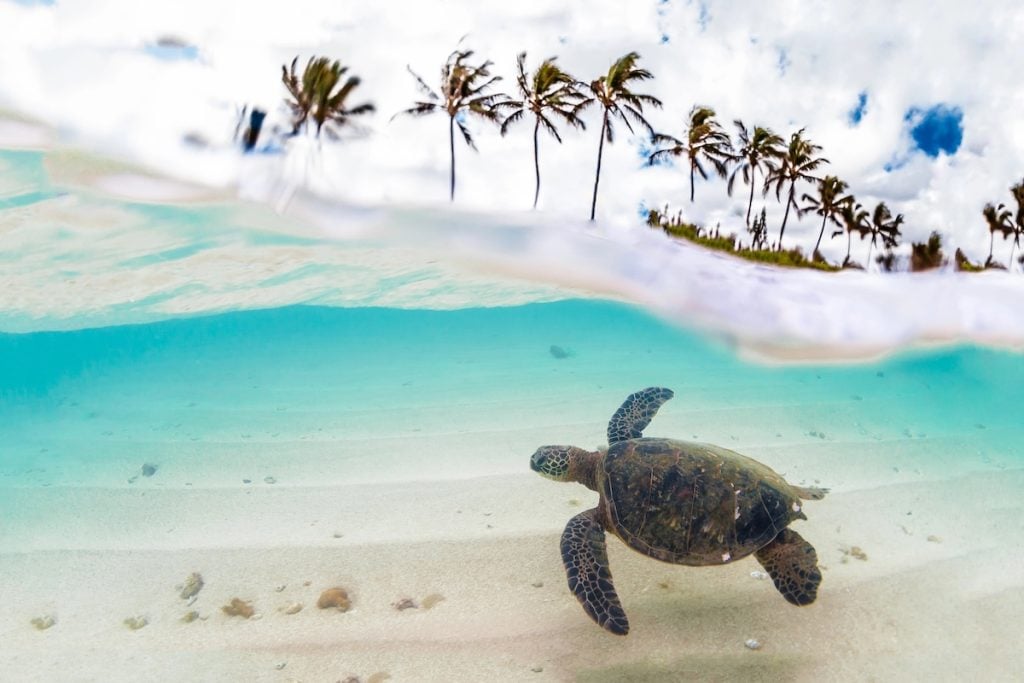
Certified Sea Turtle Conservation Tours
Book with operators certified by the Hawaiian Ecotourism Association, which has been certifying sustainable tour companies since 1995 to protect the environment and host culture.
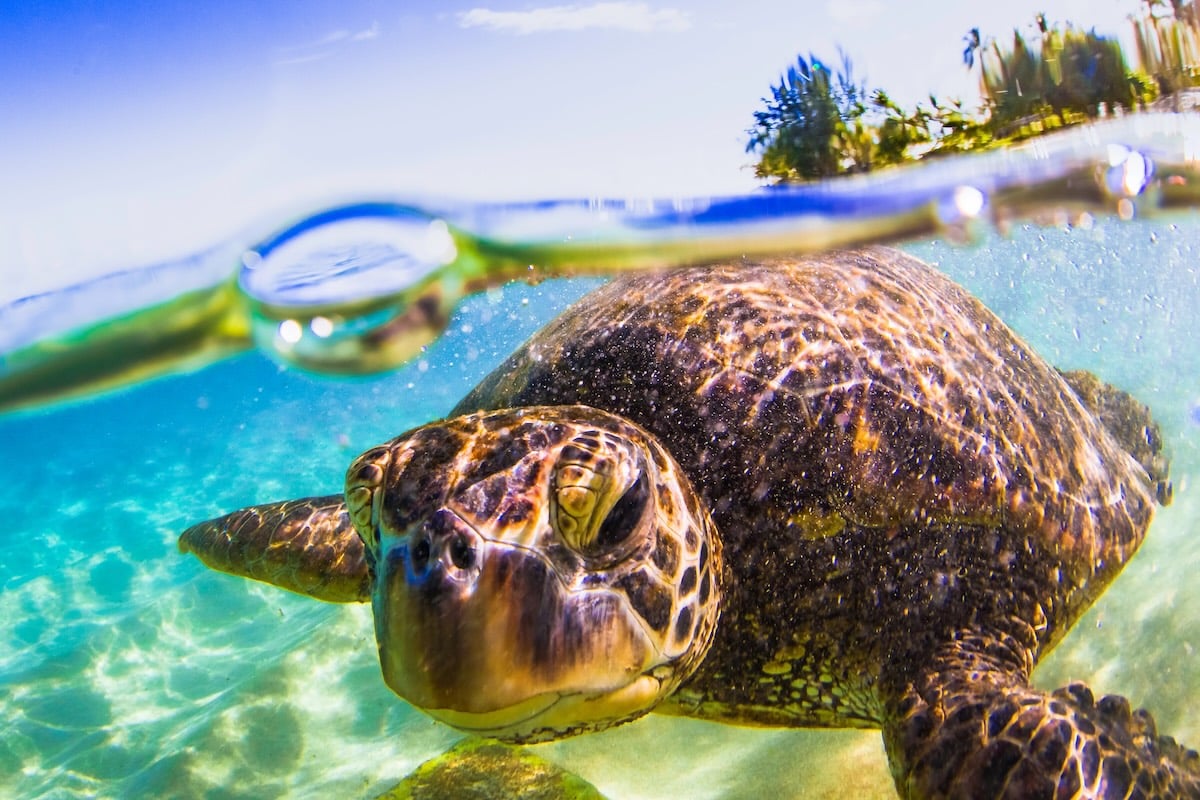
These tours teach families about endangered Hawaiian green sea turtles (honu) while following strict guidelines to protect these animals.
If you’re planning to see sea turtles during your Hawaii trip, check out our guides to the best turtle spotting locations on Maui and swimming with turtles throughout Hawaii for specific recommendations on eco-friendly viewing opportunities.
What kids learn: Marine conservation, endangered species protection, and how human actions affect ocean wildlife.
Coral Restoration Programs
Several organizations now offer family-friendly coral restoration experiences where you can help replant coral fragments. Your children get hands-on experience protecting the reefs they’ll snorkel over later in the week.
Many of Hawaii’s best snorkeling spots for families feature protected Marine Life Conservation Districts where you can see the direct results of conservation efforts while enjoying incredible underwater experiences.
Educational impact: Kids understand how fragile ecosystems recover from damage and how individual actions contribute to large-scale conservation.
Beach Cleanup Adventures
Responsible travel to Hawaii involves adhering to Leave No Trace principles and supporting companies that minimize environmental impact. Many certified eco-tour operators combine beach cleanups with marine debris education programs.
Family benefit: Children love the treasure-hunt aspect while learning about marine debris impacts on Hawaiian wildlife.
Land Conservation Activities That Kids Love
Native Plant Restoration Projects
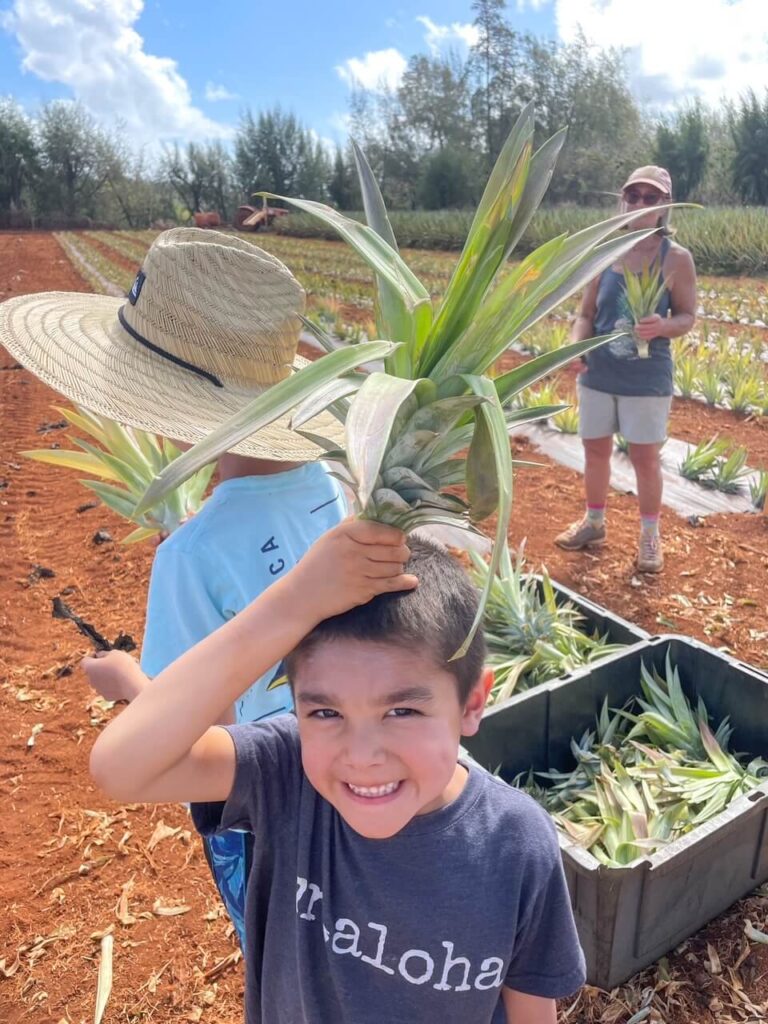
Hawaii offers programs where families remove invasive species and replant native Hawaiian plants. These hands-on experiences teach ecosystem balance while contributing to conservation efforts funded by your Green Fee.
Recommended locations:
- Nature Conservancy preserves on Molokai
- Hawaii Wildlife Center programs on the Big Island
- Watershed protection areas throughout the islands
Sustainable Farm Tours
Visit certified farms like those featured in our Kauai farm tours guide to see sustainable agricultural practices in action.
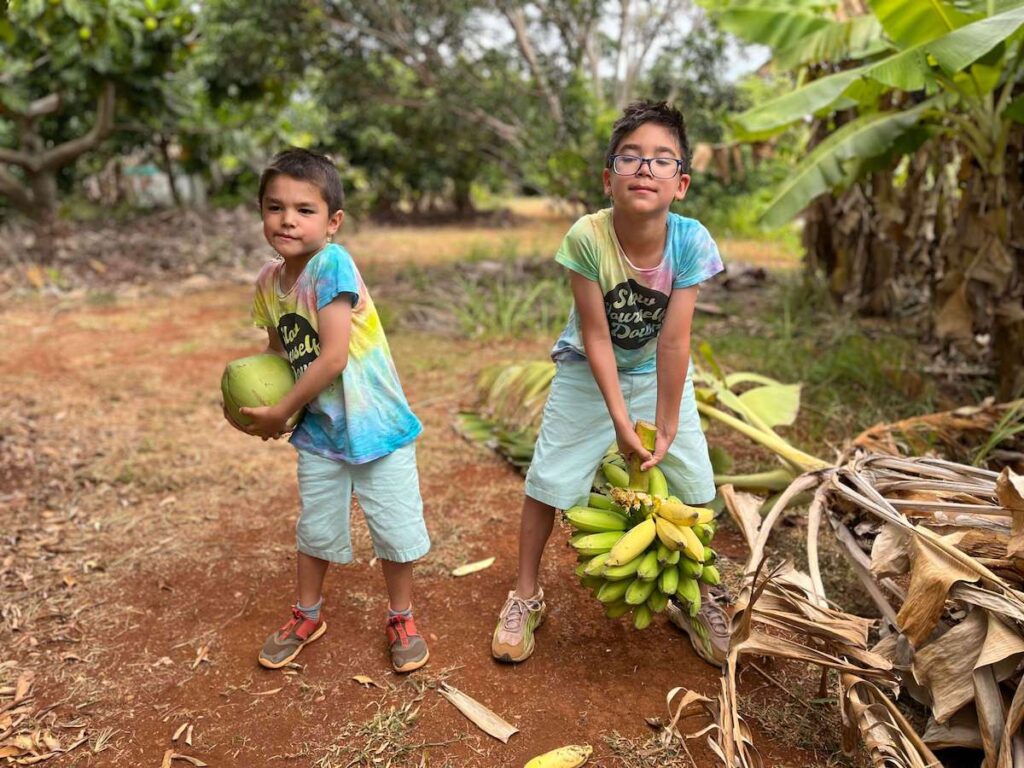
These hands-on experiences teach kids about traditional Hawaiian farming while they taste tropical fruits and learn where their food comes from.
Educational value: Children discover how sustainable agriculture supports both local communities and environmental health.
Junior Naturalist Programs
The Hawaii Wildlife Center’s Hoopulauma Science and Discovery Center offers programs where families learn about protecting native bird species and wildlife rehabilitation.
Skills kids develop: Species identification, habitat requirements, and wildlife conservation techniques.
Choosing Eco-Friendly Family Accommodations
Certified Green Hotels
Look for properties like Turtle Bay Resort, which uses 100% renewable energy, water-efficient systems, locally sourced food, and supports local businesses while offsetting carbon footprints.
Family amenities at eco-certified properties:
- Solar power and renewable energy systems that kids can learn about
- Educational programs about Hawaiian ecosystems
- Partnerships with local conservation organizations
- Locally sourced food in family restaurants
Sustainable Vacation Rentals
Hawaii offers unique eco-accommodations, including solar-powered treehouses, off-grid cabins with rain catchment systems, and farm stays where children learn sustainable agriculture.
Educational opportunities:
- Renewable energy systems demonstrations
- Water conservation practices
- Sustainable living examples
- Native landscape restoration
Reef-Safe Activities and Ocean Education
Marine Conservation Tours
Tour operators collaborate with marine biologists to offer wildlife safaris, reef preservation activities, and educational ocean tours that teach about Hawaii’s ecosystems and endangered species.
Certified operators provide:
- Reef-safe sunscreen and education about coral protection
- Marine biology lessons during snorkel breaks
- Whale watching follows strict marine mammal protection guidelines
- Sea turtle monitoring programs where families contribute to research
Hands-On Ocean Conservation
Qurator-certified tour operators like And You Creations follow strict environmental standards while providing educational insights into Hawaii’s unique ecosystems.
Activities that make a difference:
- Coral fragment replanting programs
- Marine debris removal projects
- Fish population monitoring for citizen science
- Underwater photography for conservation documentation
Cultural and Environmental Education Programs
Traditional Hawaiian Sustainability Practices
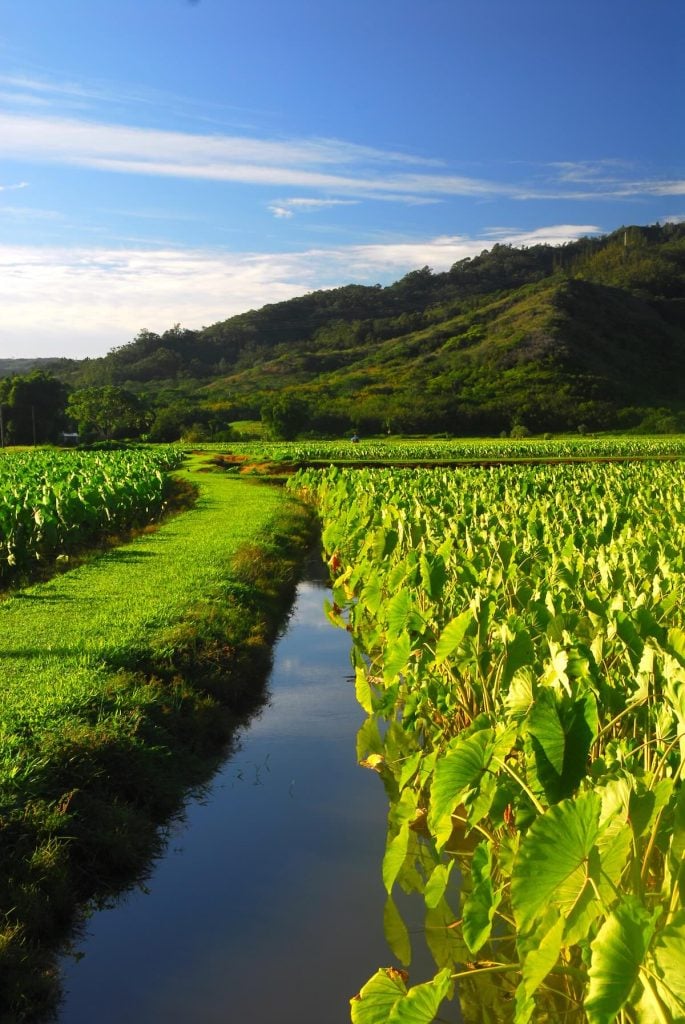
Learn how Native Hawaiians sustainably managed island resources for over 1,000 years. The Sustainable Tourism Association of Hawaii emphasizes respecting and nourishing Hawaii’s cultural assets alongside natural resources.
Family learning opportunities:
- Traditional fishing and aquaculture methods
- Native plant cultivation techniques
- Resource management practices
- Cultural protocols for environmental stewardship
Climate Action Education
The Green Fee directly addresses Hawaii’s vulnerability to climate change impacts, funding projects that build resilience against heavier storms, droughts, and other challenges.
Kids learn about:
- Sea level rise impacts on coastal communities
- Invasive species management
- Watershed protection importance
- Renewable energy solutions
Age-Appropriate Eco-Activities by Island
For mainland families planning comprehensive island experiences, our detailed travel guides for Maui families, Kauai families, and Big Island families include specific eco-friendly activity recommendations and conservation-focused itineraries that align perfectly with Green Hawaii vacation planning.
Looking for more eco-adventure inspiration? Our guide to Hawaii’s best family destinations highlights sustainable attractions and conservation-focused activities across all islands.
Oahu: Urban Sustainability and Ocean Conservation
- Turtle Bay Resort eco-programs (ages 5+)
- Hanauma Bay conservation education (ages 8+) – featured in our best Oahu snorkeling guide
- North Shore eco-adventures (ages 6+) – see our comprehensive North Shore tours guide
- Waikiki Aquarium marine conservation programs (ages 3+)
Maui: Marine Life and Watershed Protection
- Molokini Crater conservation programs (ages 4+) – learn more in our detailed Molokini snorkeling guide
- Turtle Town eco-tours (ages 6+) – check our best Maui snorkeling for families guide
- Haleakala National Park junior ranger programs (ages 6+)
- Coral restoration projects (ages 10+)
Big Island: Volcanic Ecosystems and Wildlife Conservation
- Hawaii Wildlife Center programs for native bird rehabilitation (ages 8+)
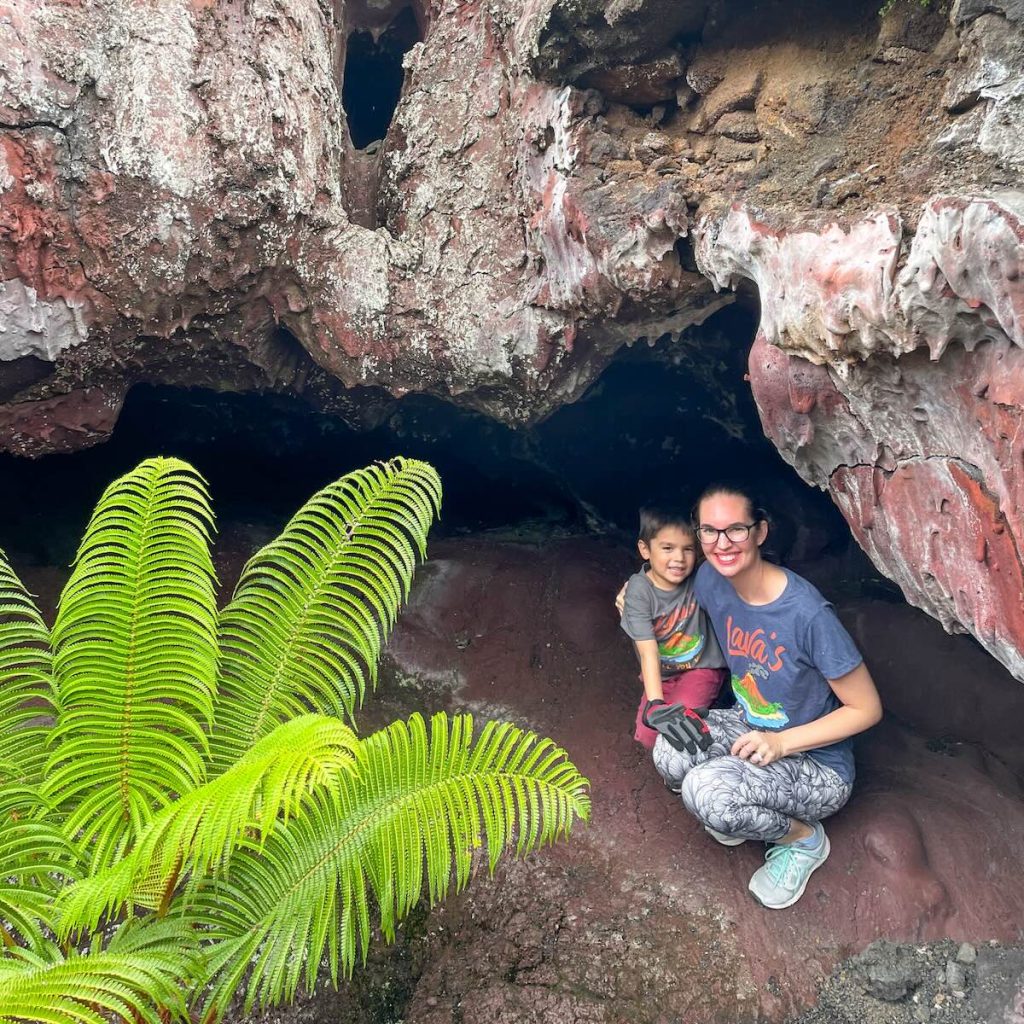
- Hawaii Volcanoes National Park ecosystem education (ages 5+)
- Natural Energy Laboratory renewable energy tours (ages 10+)
- Sea turtle monitoring programs (ages 7+)
Kauai: Pristine Ecosystems and Traditional Practices
- Na Pali Coast conservation tours (ages 8+) – one of our featured unforgettable Hawaii day trips
- Kauai snorkeling adventures (ages 5+) – see our top Kauai snorkeling locations
- Kilauea Point Wildlife Refuge programs (ages 6+)
- Traditional Hawaiian farming experiences (ages 4+)
Practical Green Travel Tips for Mainland Families
Pre-Trip Preparation
- Pack reef-safe sunscreen with zinc oxide or titanium dioxide
- Bring reusable water bottles – many Hawaiian eco-properties have banned single-use plastics
- Research certified operators through the Sustainable Tourism Association of Hawaii
- Download conservation apps for species identification and citizen science participation
During Your Trip
- Support local businesses – your tourism dollars directly benefit Hawaiian communities
- Use public transportation when available to reduce carbon footprint
- Participate in hotel conservation programs for towel reuse, energy conservation, and composting
- Document conservation activities for educational journals and family memories
Making It Educational
- Set family conservation goals – maybe three beach cleanups or learning five native species
- Keep environmental travel journals documenting conservation activities and learnings
- Connect to home communities – apply Hawaiian conservation lessons to local environmental issues
- Create post-trip action plans for continued environmental stewardship
Real Impact: How Your Green Fee Dollars Work
The Green Fee is expected to generate around $100 million annually, funding diverse projects focused on environmental stewardship, climate resilience, and sustainable tourism. Your family’s $20-25 contribution during a week-long trip directly supports:
Immediate Conservation Projects:
- Coral reef restoration in areas where families snorkel
- Native bird habitat protection and species recovery
- Invasive plant removal from hiking trails
- Beach and coastal restoration projects
Long-Term Climate Resilience:
- Infrastructure hardening against future natural disasters
- Renewable energy system expansion
- Watershed protection ensuring clean water supplies
- Sustainable tourism facility development
Educational and Cultural Programs:
- Environmental education programs for visitors and residents
- Native Hawaiian cultural preservation initiatives
- Sustainable agriculture support programs
- Marine conservation research funding
The Future of Family Travel to Hawaii
The 2025 Hawaii tourism outlook shows sustainability continuing to dominate travel trends, with visitors increasingly seeking experiences that minimize environmental footprint while maximizing cultural and educational value.
For mainland families, this creates unprecedented opportunities:
Educational Value: Children develop environmental stewardship skills through hands-on conservation work
Cultural Connection: Families learn traditional Hawaiian sustainability practices and values
Conservation Impact: Tourism directly contributes to protecting the destinations families love
Memory Creation: Kids remember trips where they made a difference more vividly than passive vacation experiences
Resources for Planning Your Green Hawaii Vacation
Certification Organizations
- Sustainable Tourism Association of Hawaii – Lists certified eco-tour operators by island
- Hawaiian Ecotourism Association – Founded in 1995, certifies sustainable tour companies statewide
- Qurator Certification – Additional eco-certification for tour operators
Educational Resources
- Hawaii Tourism Authority’s “Travel Pono” Program – Guidelines for responsible travel (“pono” means “righteous” in Hawaiian)
- Green Fee Advisory Council – Starting September 2025, hosting webinars about fund allocation
- Conservation Organizations – Many offer family volunteer opportunities and educational programs
Planning Tools
- FareHarbor sustainable tour listings – Platform highlighting eco-friendly activity bundles
- Travel statistics and trends – Understanding sustainable travel preferences
- Official Hawaii government resources – hawaii.gov for latest Green Fee updates
Bottom Line: Play, Learn, Contribute
Hawaii’s Green Fee represents a fundamental shift toward tourism that contributes to destination health rather than extracting from it. For mainland families, this creates opportunities for vacations where children:
- Play in some of the world’s most beautiful natural settings
- Learn about environmental stewardship through hands-on experiences
- Contribute to conservation efforts protecting Hawaii’s unique ecosystems
The families embracing this approach – viewing the Green Fee as an investment in meaningful travel rather than just another cost – will have fundamentally different Hawaii experiences.
Their children develop personal connections to Hawaiian ecosystems, learn valuable environmental stewardship skills, and create memories centered around making a positive difference.
Your eco-fee supports resilient shores, and your family’s conservation adventures create lasting memories while protecting the Hawaii your children will share with their own kids someday.
Looking for more Hawaii planning resources? Check out 5 Mistakes Moms Make When Planning Their First Hawaiian Vacation (And How to Avoid Them), Just Booked Your Hawaiian Flight? Here’s What Every Mom Needs to Do Next, and The Hawaii Planning Guide Every Mom Needs!
 | About the author: Marcie Cheung is a Hawaii travel consultant for families who has visited Hawaii more than 40 times. She is the founder of Hawaii Travel with Kids and host of the Hawaii Travel Made Easy podcast. She offers one-on-one Hawaii trip planning consultations and itinerary reviews for families, couples, and honeymooners. |